7 Shade-Loving Steps to Prepare a Begonia Shelf
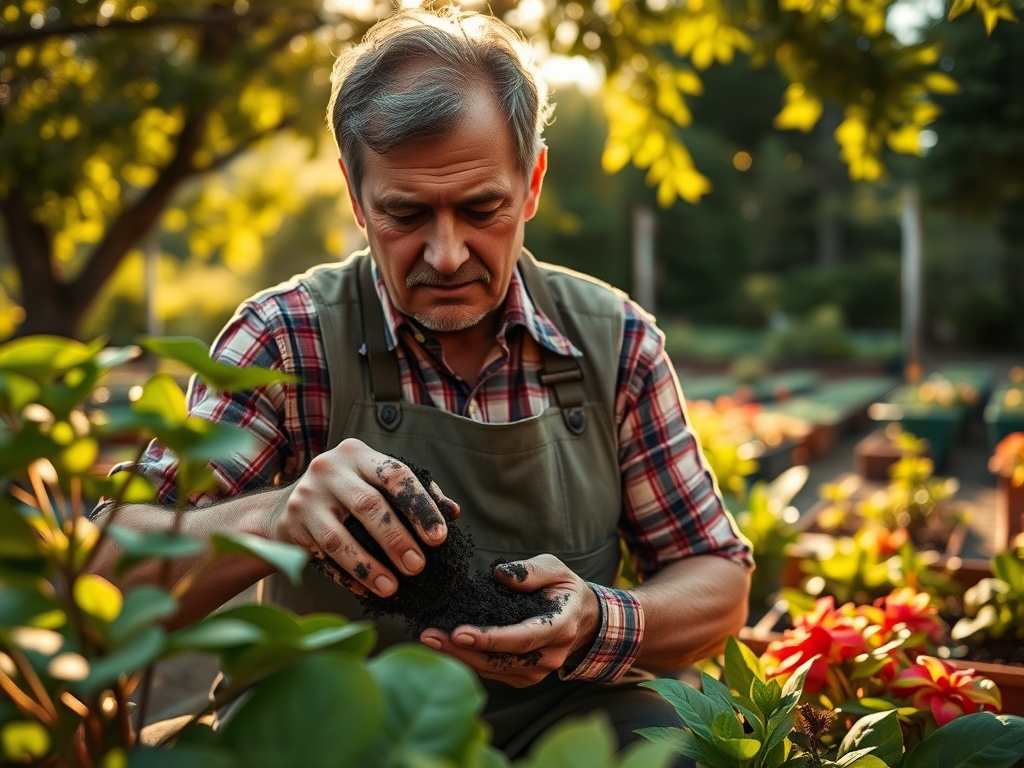
Crushing a handful of damp peat reveals the fibrous structure required for Begonia success; the smell of geosmin signals a healthy microbial environment. When a leaf reaches full turgor pressure, the cells are rigid and the foliage stands defiant against gravity. Understanding how to prepare a plant shelf for begonias requires a transition from casual gardening to precise environmental engineering. These plants are sensitive to light intensity and root zone oxygenation. A shelf must be more than a flat surface; it is a controlled microclimate. To succeed, you must manage the intersection of ambient humidity, air circulation, and substrate drainage. Begonias thrive in the dappled light of the forest floor, where the soil is rich in organic matter and the temperature remains stable. Most failures occur because of stagnant air or saturated roots that lead to anaerobic conditions. By focusing on the physiological needs of the rhizome and the transpiration rates of the foliage, you can maintain a collection that remains healthy throughout the year.
Materials:
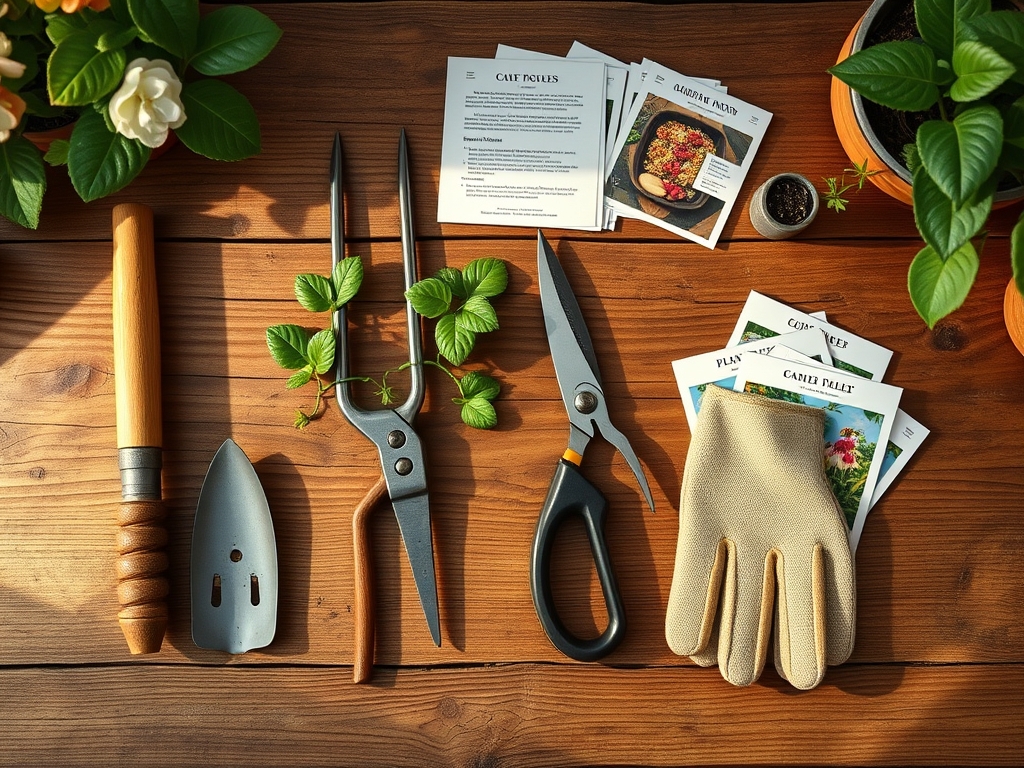
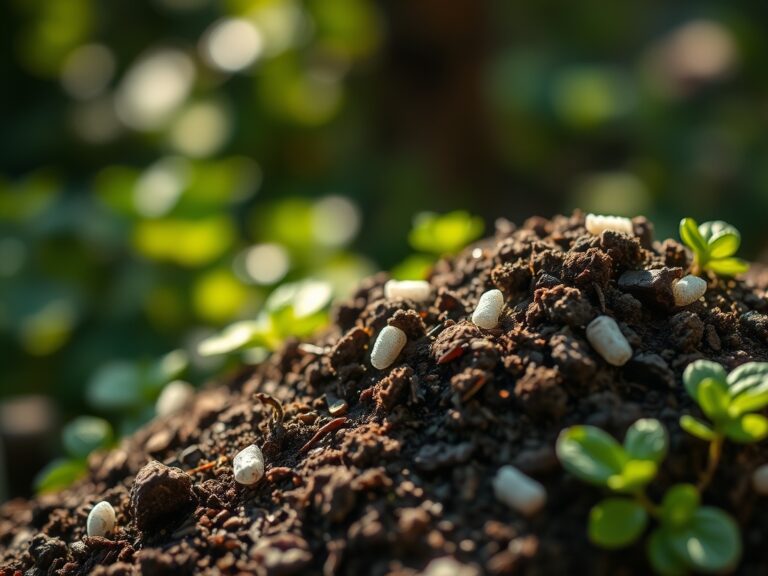
The substrate is the foundation of the rhizosphere. For Begonias, aim for a pH between 5.5 and 6.5. This slightly acidic range ensures maximum bioavailability of micronutrients. The physical texture must be a friable loam, consisting of 40 percent peat moss, 20 percent perlite, 20 percent vermiculite, and 20 percent composted pine bark. This mixture provides a high Cation Exchange Capacity (CEC), allowing the soil to hold and release essential ions like potassium and magnesium.
Regarding nutrition, utilize a controlled-release fertilizer with an NPK ratio of 10-10-10 for general growth. For flowering varieties, shift to a high-phosphorus 15-30-15 ratio during the reproductive phase. The shelf itself should be constructed from powder-coated steel or sealed wood to prevent rot. Ensure you have a digital hygrometer to monitor humidity and LED full-spectrum lights capable of delivering 150 to 250 micromoles per square meter per second of light.
Timing:
Begonias are primarily tropical or subtropical. In Hardiness Zones 9 through 11, many can remain outdoors, but for the rest of the world, the shelf environment must mimic these zones. The biological clock of the plant is dictated by the photoperiod. Most Begonias require 12 to 14 hours of light to maintain vegetative growth. As the winter solstice approaches, the reduction in natural light can trigger senescence or dormancy, particularly in tuberous varieties.
Prepare your shelf two weeks before the first frost date in your region. This window allows the indoor environment to stabilize. If you are moving plants from outdoors to the shelf, do so when night temperatures consistently drop below 55 degrees Fahrenheit. This prevents the physiological shock associated with rapid thermal shifts.
Phases:
Sowing and Propagation
Begonia seeds are dust-like and require light for germination. Sow them on the surface of a sterile, moist seed-starting mix. Maintain a consistent temperature of 70 to 75 degrees Fahrenheit. Use a heat mat if necessary to ensure bottom heat, which accelerates metabolic activity in the embryo.
Pro-Tip: Begonias exhibit high levels of adventitious root formation. When propagating from leaf cuttings, the wounding process triggers a surge in auxins, the hormones responsible for cell elongation and root initiation.
Transplanting
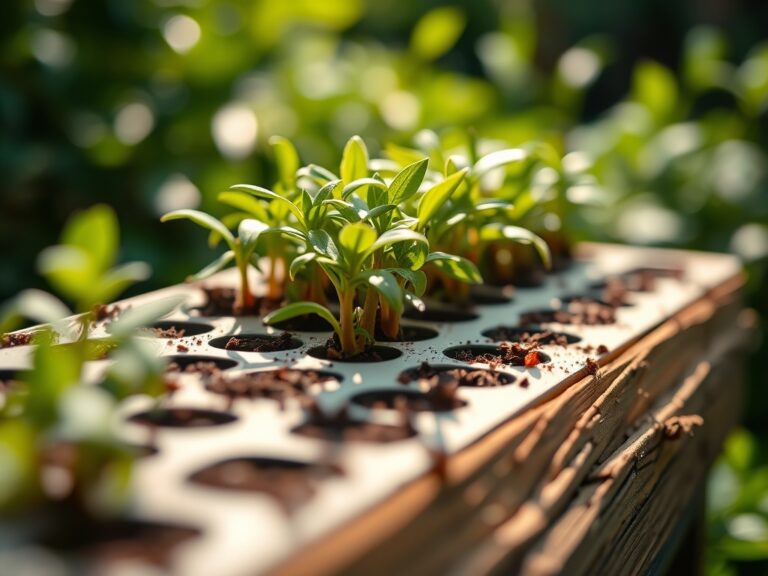
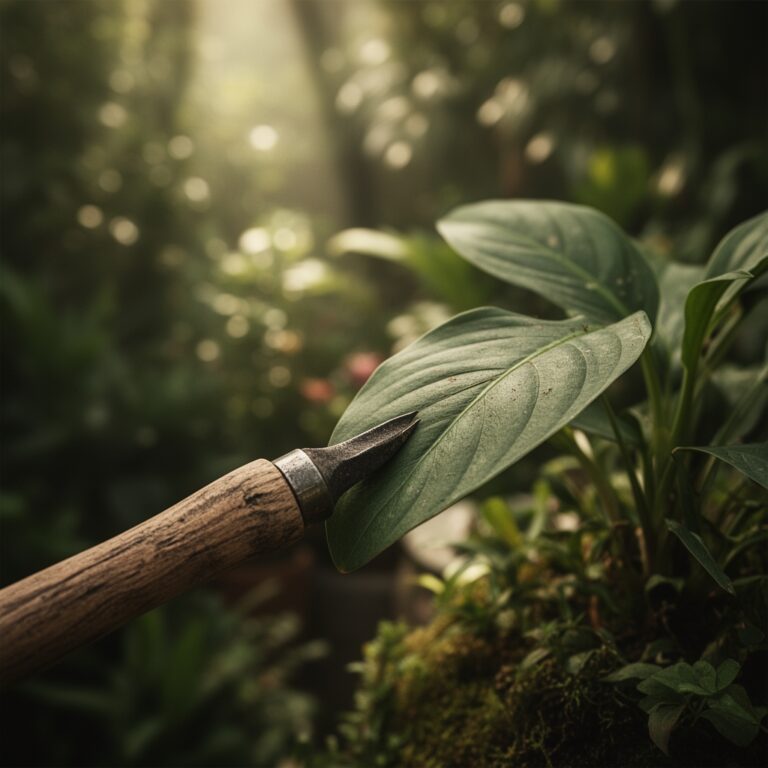
Move seedlings or cuttings when they possess at least two sets of true leaves. Use a hori-hori knife to gently lift the root ball, ensuring minimal disruption to the delicate root hairs. Place the plant at the same depth it was previously growing; burying the stem can lead to fungal pathogens attacking the vascular tissue.
Pro-Tip: Introducing mycorrhizal fungi during transplanting creates a symbiotic relationship. These fungi extend the reach of the root system, increasing the surface area for phosphorus uptake and improving drought resistance.
Establishing
Once on the shelf, space the pots at least 4 inches apart to allow for lateral air movement. This prevents the buildup of moisture on the leaf surface, which is the primary cause of powdery mildew. Adjust the height of your lights to maintain the desired light intensity without causing leaf scorch.
Pro-Tip: Begonias are phototropic. Rotate your pots 90 degrees every week to ensure even distribution of light. This prevents the plant from leaning and ensures a balanced distribution of gibberellins, which regulate stem elongation.
The Clinic:
Symptom: Yellowing of lower leaves (Chlorosis).
Solution: This is often a nitrogen deficiency. Check the soil pH first; if the pH is above 7.0, nitrogen becomes locked. If pH is correct, apply a liquid fertilizer with a high nitrogen count.
Symptom: Brown, crispy leaf margins.
Solution: Low humidity or high salt accumulation in the substrate. Increase local humidity to above 50 percent and flush the pots with distilled water to leach excess salts.
Symptom: Water-soaked spots on leaves or stems.
Solution: This indicates a fungal or bacterial infection, often Botrytis. Improve air circulation with a small fan and remove infected tissue using sterilized bypass pruners.
Fix-It for Magnesium Deficiency: If leaves show interveinal chlorosis (yellowing between green veins), apply a solution of one tablespoon of Epsom salts per gallon of water. Magnesium is the central atom in the chlorophyll molecule; without it, photosynthesis fails.
Maintenance:
Precision is mandatory for long-term health. Use a soil moisture meter to ensure the substrate remains damp but never saturated. Most Begonias require the top 0.5 inches of soil to dry out before the next irrigation cycle. On a shelf, this typically translates to 1.5 inches of water per week, delivered directly to the soil surface to avoid wetting the foliage.
Pruning is essential for maintaining airflow and shape. Use bypass pruners to remove spent blooms and any leggy growth. This redirects energy from seed production back into the rhizome or root system. Clean your tools with 70 percent isopropyl alcohol between every plant to prevent the mechanical transmission of pathogens. Monitor the shelf for any signs of debris; fallen leaves should be removed immediately to prevent them from becoming a host for saprophytic fungi.
The Yield:
While Begonias are often grown for foliage, many varieties produce edible flowers with a citrus-like tartness. Harvest flowers in the early morning when turgor pressure is at its peak. Use sharp scissors to snip the pedicel. To maintain "day-one" freshness, immediately place the stems in a container of cool water or store the blossoms in a sealed container with a damp paper towel at 40 degrees Fahrenheit. This slows down the respiration rate and preserves the cellular structure of the petals.
FAQ:
How much light do shelf begonias need?
Begonias require 150 to 250 micromoles of light for 12 to 14 hours daily. Use full-spectrum LED grow lights positioned 12 inches above the foliage to prevent leaf scorch while ensuring sufficient energy for photosynthesis and growth.
What is the best soil for begonias?
A well-draining, porous mix with a pH of 5.5 to 6.5 is ideal. Combine 40% peat, 20% perlite, 20% vermiculite, and 20% pine bark. This ensures high oxygen availability in the rhizosphere and prevents root rot.
How often should I water begonias on a shelf?
Water when the top 0.5 inches of substrate feels dry. Use a moisture meter to confirm. Typically, this equals 1.5 inches of water per week. Ensure pots have drainage holes to prevent anaerobic conditions in the root zone.
What temperature is best for indoor begonias?
Maintain a daytime temperature between 70 and 75 degrees Fahrenheit. Night temperatures should not drop below 60 degrees. Consistent temperatures prevent physiological stress and ensure the plant remains in its active vegetative growth phase.