8 Bold Curried Chicken Recipes to Spice Up Your Dinner Tonight
The first crack of cumin seeds hitting hot oil releases a scent so sharp it rewrites your hunger from polite interest to urgent need. That sharp burst marks the difference between bland weeknight protein and the kind of curried chicken recipes that turn a Tuesday into an event. Curry isn't a single flavor, it's a layered architecture of heat, aromatics, fat, and acid, and chicken provides the perfect canvas because its mild flavor absorbs spice without competing.
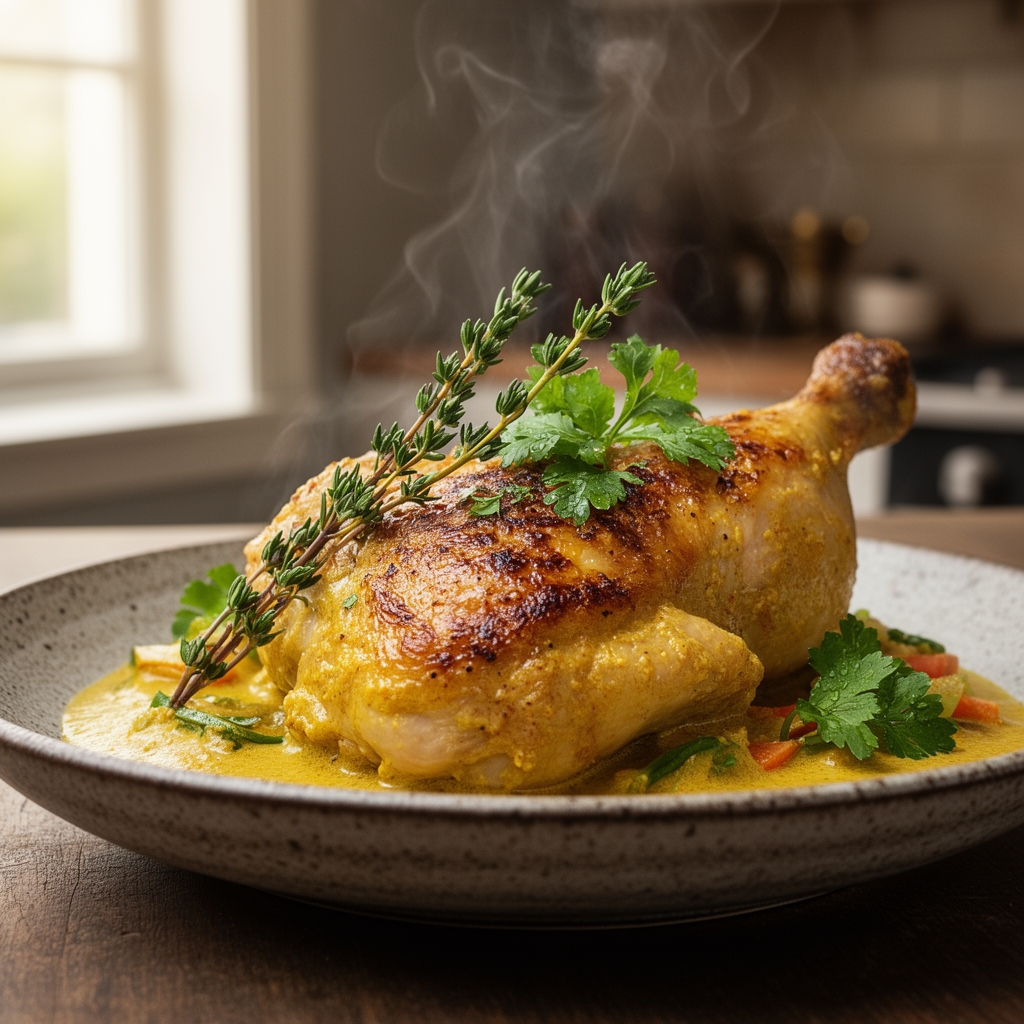
These eight curried chicken recipes span continents and techniques, from the creamy tomato depth of a proper butter chicken to the incendiary dry roast of a South Indian pepper fry. Each one balances the Maillard browning of seared meat against the blooming of whole and ground spices in fat, creating complexity that supermarket curry powder in a jar simply cannot match. You'll work with fresh ginger that bites back, turmeric that stains everything saffron yellow, and chili heat calibrated from gentle warmth to sweat-inducing fire.
The recipes ahead respect traditional methods while acknowledging real kitchens and real schedules. Some require marination and patience. Others come together in under thirty minutes using smart prep sequences. All of them prove that bold flavor doesn't require a culinary degree, just attention to temperature, timing, and the willingness to let spices do what they do best.
The Gathers
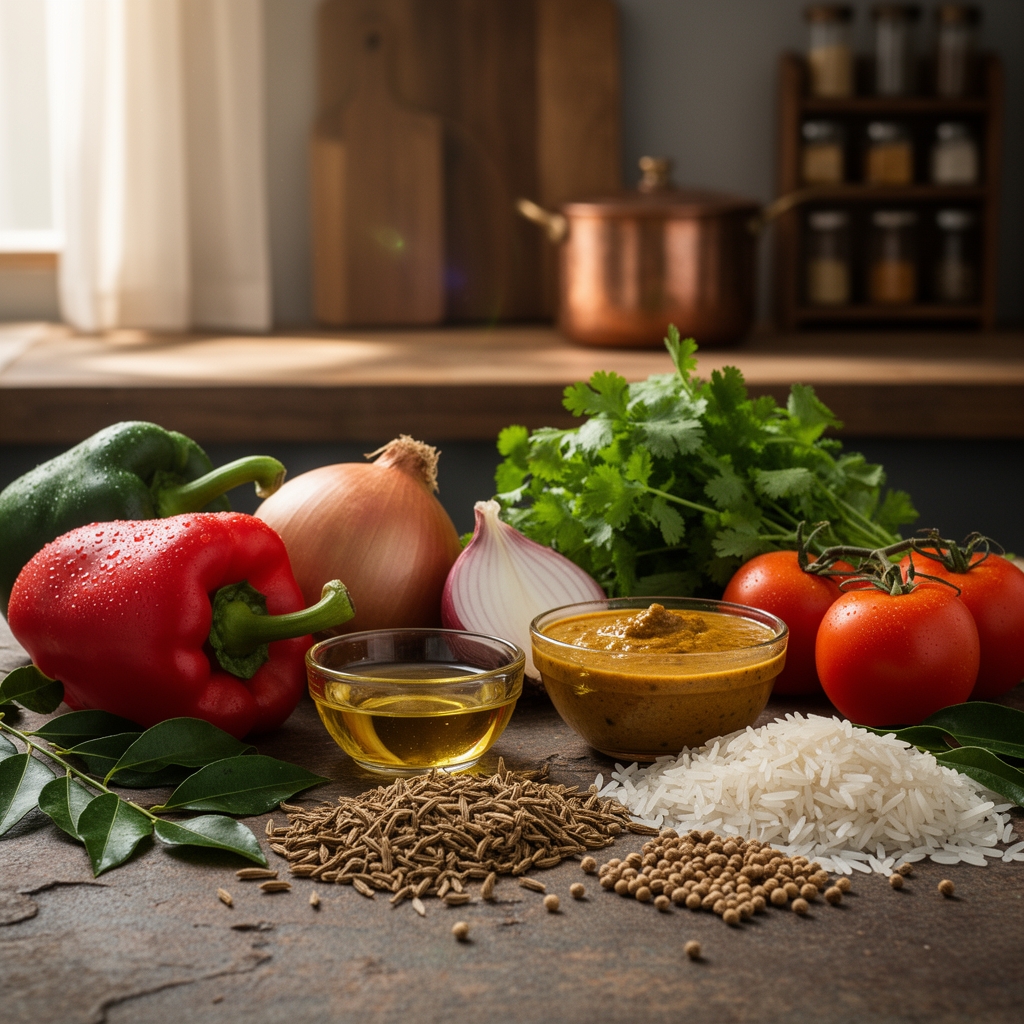
Start with 2 pounds bone-in, skin-on chicken thighs, the cut that stays moist under high heat and soaks up spice. Boneless breasts work but demand vigilant timing to avoid the cardboard texture of overcooked white meat. You'll need 3 tablespoons neutral oil with a high smoke point, grapeseed or refined sunflower, not extra virgin olive which turns bitter above 375°F.
The spice cabinet delivers the real power: 2 teaspoons cumin seeds, 1 tablespoon coriander powder, 1.5 teaspoons turmeric, 1 teaspoon cayenne (adjust down for milder palates, up for thrill-seekers). Whole spices trump pre-ground every time because volatile aromatics fade within weeks of grinding. Add 6 cloves garlic, 2-inch ginger knob (both peeled and minced or paste-processed), 2 medium yellow onions diced small, and 1 can (14 oz) crushed tomatoes for recipes requiring sauce base.
Fresh cilantro (1 bunch), plain full-fat yogurt (1 cup), lime (2 each), and kosher salt round out the foundation. Some variations call for coconut milk (full-fat, shake the can hard), garam masala (add at the end, never during high-heat cooking), or curry leaves if you can source them fresh.
Smart Substitutions: Greek yogurt works but thin it slightly with water to match regular yogurt's consistency. Chicken drumsticks substitute for thighs at identical cook times. No fresh ginger? Use one-third the amount of dried, but bloom it longer in oil. Canned tomatoes beat fresh unless you're using peak-season heirlooms, and even then, the consistency stays more predictable with canned.
The Clock
Prep time: 25 minutes. This includes dicing onions, processing garlic-ginger paste, measuring spices into small bowls (mise en place saves you from burning aromatics while you hunt for the cumin), and trimming excess fat from chicken.
Cook time: 45 minutes. Active cooking spans about 15 minutes of high-intensity searing and spice work. The remaining 30 minutes involves covered simmering or oven finishing, time you'll spend making rice or prepping sides.
Total time: 70 minutes from cold stove to plated dish.
Chef's Flow: Prep all ingredients before you light the burner. Curries move fast once aromatics hit the pan, and you can't step away to mince garlic without risking burnt onions. Set up a assembly line: spices in one zone, chicken patted dry and salted in another, aromatics ready to go. Heat management matters more than speed. You can always turn up heat, but you can't un-burn cumin seeds.
The Masterclass
Step 1: Bloom the Whole Spices
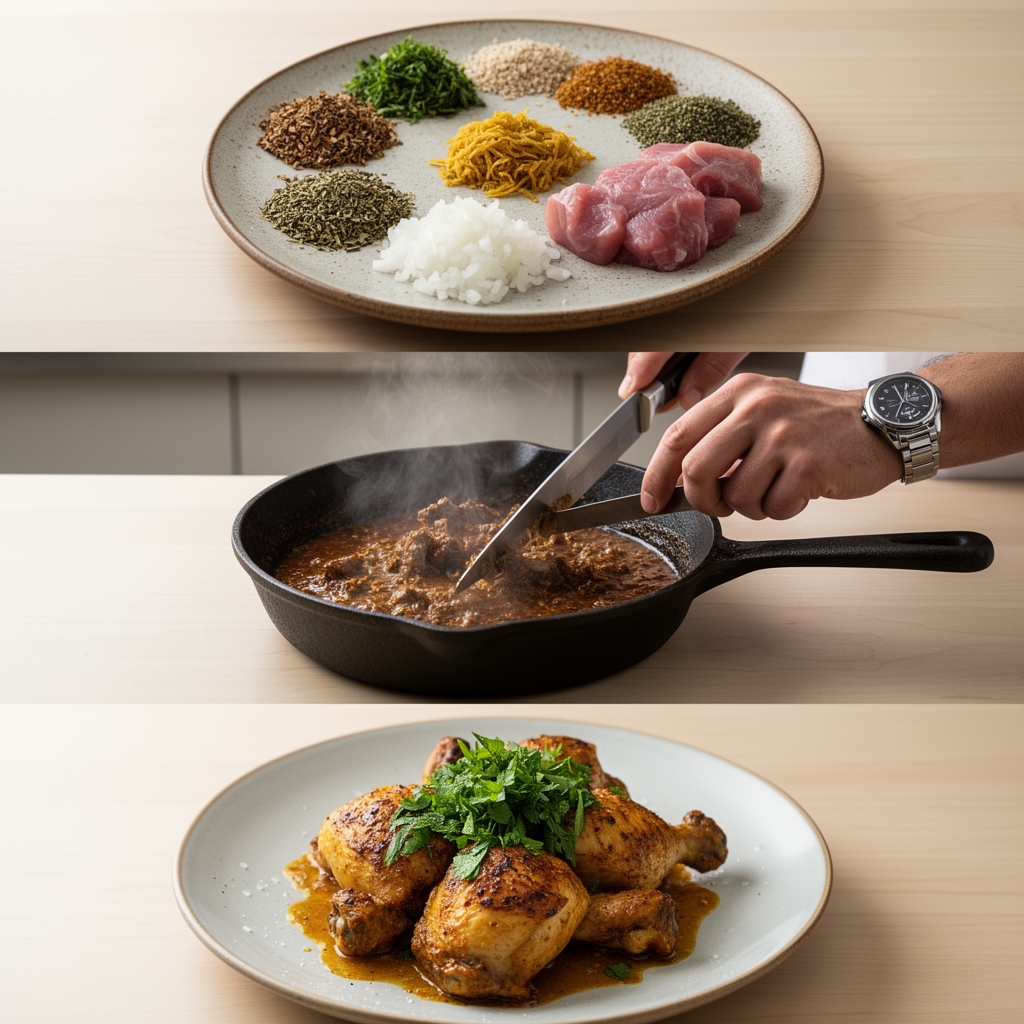
Heat oil in a heavy-bottomed pan or Dutch oven over medium-high until it shimmers but doesn't smoke, about 350°F. Add cumin seeds and cook for 45 to 60 seconds until they darken one shade and smell intensely nutty. The second you smell bitter char, you've gone too far.
Chef's Secret: Use your nose as the timer. The oil should smell like toasted grain, not burnt coffee. Keep the seeds moving with a wooden spoon. Scorched spices carry bitter compounds no amount of later correction can fix.
Step 2: Build the Aromatic Base
Add diced onions directly to the bloomed spices. Stir constantly for 6 to 8 minutes until onions turn deep golden, not pale translucent. You're aiming for real caramelization, which concentrates sweetness and adds depth. Add garlic-ginger paste and cook 90 seconds more, stirring to prevent sticking.
Chef's Secret: Onions release water initially, then that moisture evaporates, then browning accelerates fast. Be patient through the steaming phase. Once they start coloring, watch closely because the jump from golden to burnt happens in 30 seconds.
Step 3: Layer the Ground Spices
Lower heat to medium. Add turmeric, coriander, and cayenne, stirring constantly for 60 seconds. Ground spices need fat to dissolve their flavor compounds but burn easily against direct heat. You should see them form a thick paste with the onion mixture, darker and fragrant.
Chef's Secret: This step is called "blooming" or "tempering" and it's non-negotiable. Raw spice powder tastes chalky and harsh. Cooked spice powder in fat transforms into something exponentially more complex. If the pan looks dry, add a tablespoon of water to prevent scorching.
Step 4: Sear the Chicken
Raise heat back to medium-high. Add chicken pieces skin-side down, working in batches if needed to avoid crowding. Sear 4 minutes per side until mahogany brown. The chicken won't be cooked through, that's intentional. You're building a crust that locks in juice and adds textural contrast to the finished sauce.
Chef's Secret: Don't move the meat once it hits the pan. Constant flipping prevents proper Maillard browning. The chicken will release naturally when the crust forms. If it sticks, it's not ready to flip yet.
Step 5: Deglaze and Simmer
Remove chicken temporarily. Add crushed tomatoes and scrape up all the browned bits (fond) stuck to the pan bottom using a wooden spoon. Return chicken to the pan, reduce heat to low, cover, and simmer 25 minutes. The internal temperature should reach 175°F for thighs, which stay moist at temperatures that would dry out breasts.
Chef's Secret: Fond is pure umami gold. Every brown bit equals concentrated flavor. Tomatoes provide both liquid and acid to dissolve those compounds into the sauce. For thinner sauce, leave the lid slightly ajar. For thicker, keep it fully covered.
Step 6: Finish and Rest
Stir in yogurt (tempered by mixing with a few spoonfuls of hot sauce first to prevent curdling), squeeze in lime juice, taste for salt, and add more cayenne if needed. Kill the heat and let the dish rest 5 minutes before serving. The resting period allows the chicken to reabsorb juices and the sauce to thicken slightly as it cools from boiling.
Chef's Secret: Cold yogurt hitting boiling liquid will break and look grainy. Tempering raises the yogurt's temperature gradually. Lime juice added at the very end tastes brighter and fresher than acid cooked into the sauce. Always taste before serving, curries need more salt than you think.
Nutritional Info
Per serving (based on 6 servings): approximately 380 calories, 24g fat (8g saturated), 95mg cholesterol, 620mg sodium, 12g carbohydrates (3g fiber, 6g sugars), 32g protein. Bone-in thighs deliver more flavor but higher fat than breasts. Removing skin before serving cuts about 80 calories and 9g fat per serving but sacrifices textural contrast.
Turmeric provides curcumin, a compound with documented anti-inflammatory properties, though you'd need to consume it with black pepper (piperine) to enhance bioavailability. Ginger aids digestion. Garlic contributes allicin and organosulfur compounds linked to cardiovascular health. These aren't magic bullets, but they're legitimate nutritional bonuses on top of solid protein and manageable calorie density.
Dietary Swaps
Keto/Low-Carb: The base recipe already sits at 12g carbs, mostly from onions and tomatoes. Swap yogurt for sour cream or coconut cream. Skip any added sugar. Use cauliflower rice instead of basmati.
Dairy-Free: Replace yogurt with full-fat coconut milk (the kind in a can, not the carton). The sauce gains tropical sweetness, which works beautifully with Southern Indian spice blends. Finish with extra lime to balance the richness.
Paleo: Use ghee instead of oil, coconut yogurt instead of dairy, and ensure your tomatoes have no added sugar. The recipe already avoids grains and legumes.
Vegetarian: Substitute chicken with 2 pounds cubed paneer, extra-firm tofu (pressed and cubed), or chickpeas. Reduce simmer time to 12 minutes for paneer or tofu. Chickpeas need the full 25 minutes to absorb flavors.
Serving Ideas
Serve over basmati rice cooked with a cinnamon stick and two cardamom pods for aromatic lift. The rice acts as a neutral backdrop that soaks up sauce. Alternatively, use naan or roti to scoop, which adds interactive eating and cuts down on dishes.
Cucumber raita (grated cucumber in yogurt with cumin and salt) provides cooling contrast against heat. A simple tomato-onion salad (called kachumber) with lemon juice and chaat masala adds crunch and acidity. Roasted cauliflower or sauteed spinach round out the plate with vegetables that don't compete for attention.
For meal prep, portion curried chicken into containers with rice on the side. The flavors deepen after 24 hours as spices continue to meld. Freeze individual portions for up to three months.
Pro-Dodge: Common Pitfalls
Mistake one: Adding all spices at once. Whole spices bloom in hot oil. Ground spices bloom in oil at lower temp. Delicate spices like garam masala go in at the end. Timing matters.
Mistake two: Using chicken breasts without adjusting technique. Breasts cook faster and dry out past 165°F. If you must use them, cut into 1-inch cubes and reduce simmer time to 15 minutes. Check with an instant-read thermometer.
Mistake three: Skipping the sear. Boiled chicken in curry sauce tastes bland and looks gray. The Maillard reaction creates hundreds of flavor compounds that boiling never will. Sear first, always.
Mistake four: Burning aromatics. Garlic and ginger turn acrid in seconds over high heat. Medium heat when they enter the pan, constant stirring, and don't walk away.
Storage
Refrigerate in an airtight container for up to four days. The sauce thickens as it cools; thin with a splash of water or stock when reheating. Reheat gently over medium-low heat, stirring occasionally, until the chicken reaches 165°F internal temperature. Microwaving works but risks drying out the meat; add a tablespoon of water and cover loosely.
Freeze in portions for up to three months. Cool completely before freezing to prevent ice crystal formation. Thaw overnight in the refrigerator, never at room temperature. Yogurt-based sauces may look slightly grainy after freezing but taste remains excellent. Stir well during reheating to re-emulsify.
The Wrap-Up
These eight curried chicken recipes give you a rotation that won't bore midweek diners or embarrass you in front of guests. Master the core technique of blooming spices, building aromatic bases, and managing heat, and you'll find yourself improvising variations based on what's in the pantry. Curry rewards both precision and instinct.
The confidence to adjust heat levels, swap proteins, or go off-script comes from repetition. Cook these recipes twice each and you'll internalize the rhythm: sizzle, bloom, sear, simmer, finish. That's the sequence that turns ingredients into something memorable.
Drop a comment below with your favorite curry variation or the biggest disaster you've rescued. The community learns as much from saves as from perfection.
The Kitchen Table: FAQ
Can I make curried chicken in a slow cooker?
Yes, but skip the searing and you'll lose depth. For better results, brown the chicken and bloom spices on the stovetop first (steps 1 through 4), then transfer everything to the slow cooker for 4 hours on low or 2.5 hours on high. The texture will be fall-apart tender but the sauce won't reduce as much, so use half the liquid or finish uncovered on the stovetop for 10 minutes.
What's the difference between curry powder and individual spices?
Curry powder is a British invention, a pre-mixed blend that varies wildly by brand. Using individual spices lets you control ratios: more cumin for earthiness, more coriander for citrus notes, more cayenne for heat. Freshly bloomed whole spices deliver aromatic complexity that no jar blend can match. If you're stuck with curry powder, use 2 tablespoons in place of the individual ground spices and bloom it carefully to avoid bitterness.
How do I reduce the heat in a curry that's too spicy?
Dairy works best. Stir in extra yogurt, cream, or coconut milk to dilute capsaicin, the compound responsible for burn. Adding sugar (1 teaspoon at a time) balances heat perception without making the dish sweet. Acid (lime or lemon juice) also helps by shifting focus away from pure heat. Don't add water, it thins the sauce without addressing the spice level.
Can I use boneless skinless chicken thighs?
Absolutely, and they're easier to eat. You'll lose some richness from the skin's rendered fat and the collagen from bones, but the trade-off is convenience. Reduce cook time by 5 minutes since boneless thighs reach temperature faster. Consider adding 1 tablespoon of butter or ghee to compensate for missing fat.
Why does my curry taste flat even with all the spices?
Three common causes: insufficient salt (curries need more than you think), lack of acid (add lime juice or a splash of vinegar), or skipping the blooming step which leaves spices tasting raw and one-dimensional. Also check your spices' age; ground spices lose potency after six months. The solution is often a three-part finish: salt, acid, and fresh herbs.
[SCHEMA_START]
{
"@context": "https://schema.org/",
"@type": "Recipe",
"name": "Bold Curried Chicken",
"description": "A rich, aromatic curried chicken recipe with layers of spice, perfect for weeknight dinners or special occasions.",
"prepTime": "PT25M",
"cookTime": "PT45M",
"totalTime": "PT70M",
"recipeYield": "6 servings",
"recipeIngredient": [
"2 pounds bone-in, skin-on chicken thighs",
"3 tablespoons neutral oil",
"2 teaspoons cumin seeds",
"1 tablespoon coriander powder",
"1.5 teaspoons turmeric",
"1 teaspoon cayenne",
"6 cloves garlic, minced",
"2-inch ginger knob, minced",
"2 medium yellow onions, diced",
"1 can (14 oz) crushed tomatoes",
"1 cup plain full-fat yogurt",
"2 limes",
"Kosher salt to taste",
"Fresh cilantro for garnish"
],
"recipeInstructions": [
{
"@type": "HowToStep",
"name": "Bloom the Whole Spices",
"text": "Heat oil in a heavy-bottomed pan over medium-high until shimmering. Add cumin seeds and cook for 45-60 seconds until darkened and fragrant."
},
{
"@type": "HowToStep",
"name": "Build the Aromatic Base",
"text": "Add diced onions and stir constantly for 6-8 minutes until deep golden. Add garlic-ginger paste and cook 90 seconds more."
},
{
"@type": "HowToStep",
"name": "Layer the Ground Spices",
"text": "Lower heat to medium. Add turmeric, coriander, and cayenne, stirring constantly for 60 seconds until fragrant."
},
{
"@type": "HowToStep",
"name": "Sear the Chicken",
"text": "Raise heat to medium-high. Add chicken skin-side down and sear 4 minutes per side until mahogany brown."
},
{
"@type": "HowToStep",
"name": "Deglaze and Simmer",
"text": "Remove chicken temporarily. Add crushed tomatoes and scrape up browned bits. Return chicken, reduce heat to low, cover, and simmer 25 minutes until internal temperature reaches 175F."
},
{
"@type": "HowToStep",
"name": "Finish and Rest",
"text": "Stir in tempered yogurt and lime juice. Taste for salt. Let rest 5 minutes before serving."
}
],
"nutrition": {
"@type": "NutritionInformation",
"calories": "380 calories",
"fatContent": "24g",
"saturatedFatContent": "8g",
"cholesterolContent": "95mg",
"sodiumContent": "620mg",
"carbohydrateContent": "12g",
"fiberContent": "3g",
"sugarContent": "6g",
"proteinContent": "32g"
},
"keywords": "curried chicken recipes, chicken curry, spicy chicken dinner, Indian chicken curry"
}
[SCHEMA_END]