8 Critical Steps to Prepare a Garden Path Site
The smell of rain-soaked soil and the crunch of gravel underfoot mark the beginning of serious landscape work. Learning how to prepare a site for a new garden path transforms chaotic ground into structured circulation, but shortcuts in site prep lead to sunken pavers, weed invasions, and frost heave within two seasons. Proper preparation addresses drainage, soil compaction, root competition, and substrate stability before the first stone is laid.
Materials
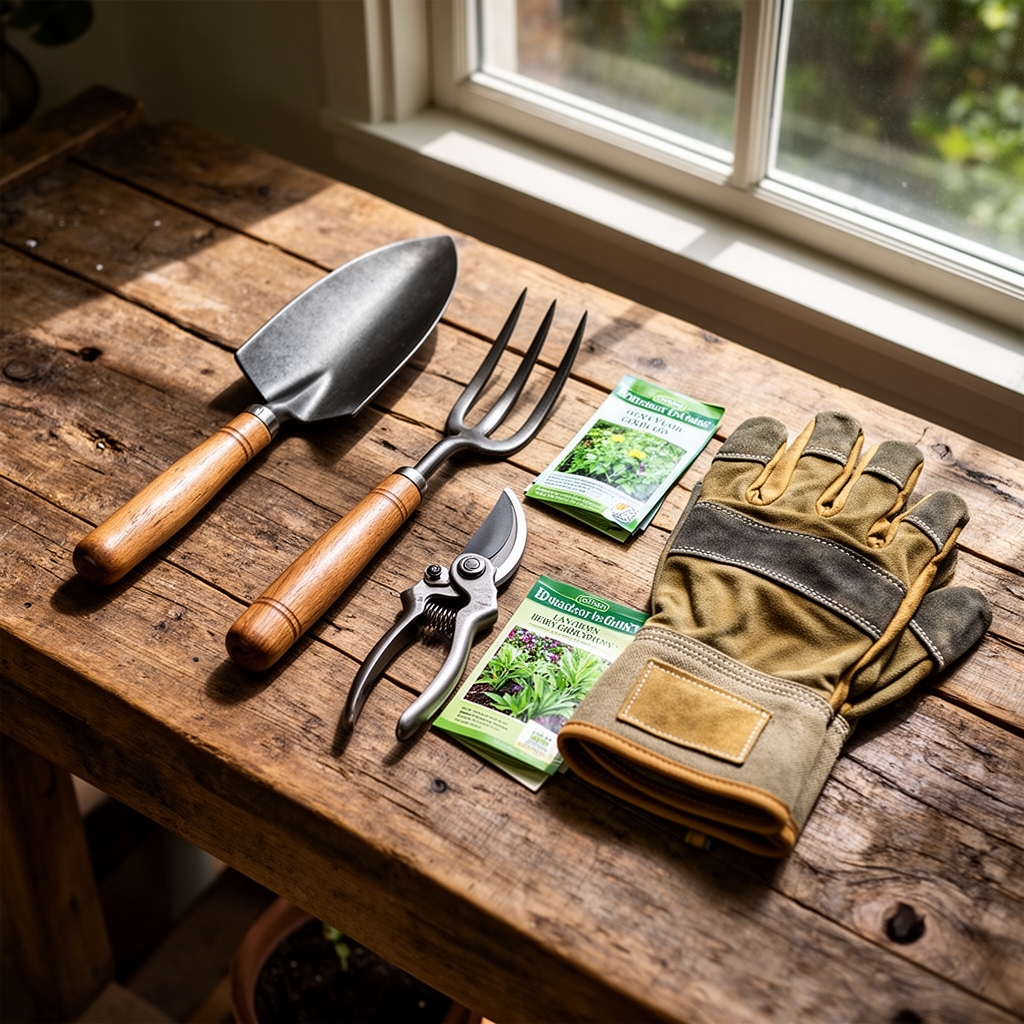
Site preparation demands materials matched to soil chemistry and structural load. For base stabilization, crushed limestone aggregate (3/4-inch minus) supplies calcium carbonate that nudges pH toward neutral (6.5-7.0) while compacting to 95% proctor density. Granite screenings offer an inert alternative in already alkaline soils above pH 7.5. Geotextile fabric (4-ounce nonwoven polypropylene) prevents soil migration into aggregate layers without blocking water permeability.
Edging materials include galvanized steel (14-gauge), cedar boards milled to 2-by-6-inch dimensions, or HDPE plastic benderboard rated for 120-degree curves. For paths adjacent to planted beds, incorporate a 2-inch band of coarse sand (0.5-2.0 mm grain size) along edges to interrupt capillary rise and reduce salt accumulation. Organic amendment is rarely necessary in path substrates, but if adjacent planting requires fertility, apply a 4-4-4 balanced organic meal at 2 pounds per 100 square feet to the bed zone only, keeping it 6 inches from path margins.
Timing
Hardiness zones dictate optimal site prep windows. In Zones 3-5, work between late April and early June after frost heave has settled and before summer thunderstorms compact exposed subsoil. Zones 6-7 permit autumn preparation from September through mid-October, allowing winter freeze-thaw cycles to further consolidate base layers. Zones 8-10 face few frost constraints but should avoid preparation during monsoon seasons when soil moisture exceeds 25% by volume, a threshold that prevents proper compaction.
Coordinate path construction with adjacent plantings. Prep sites at least four weeks before installing perennials with aggressive root systems (Rudbeckia, Echinacea) to avoid disturbing newly settled aggregate. For paths near trees, schedule work during dormancy (November-February in temperate zones) to minimize auxin distribution interruption in active roots.
Phases
Excavation Phase
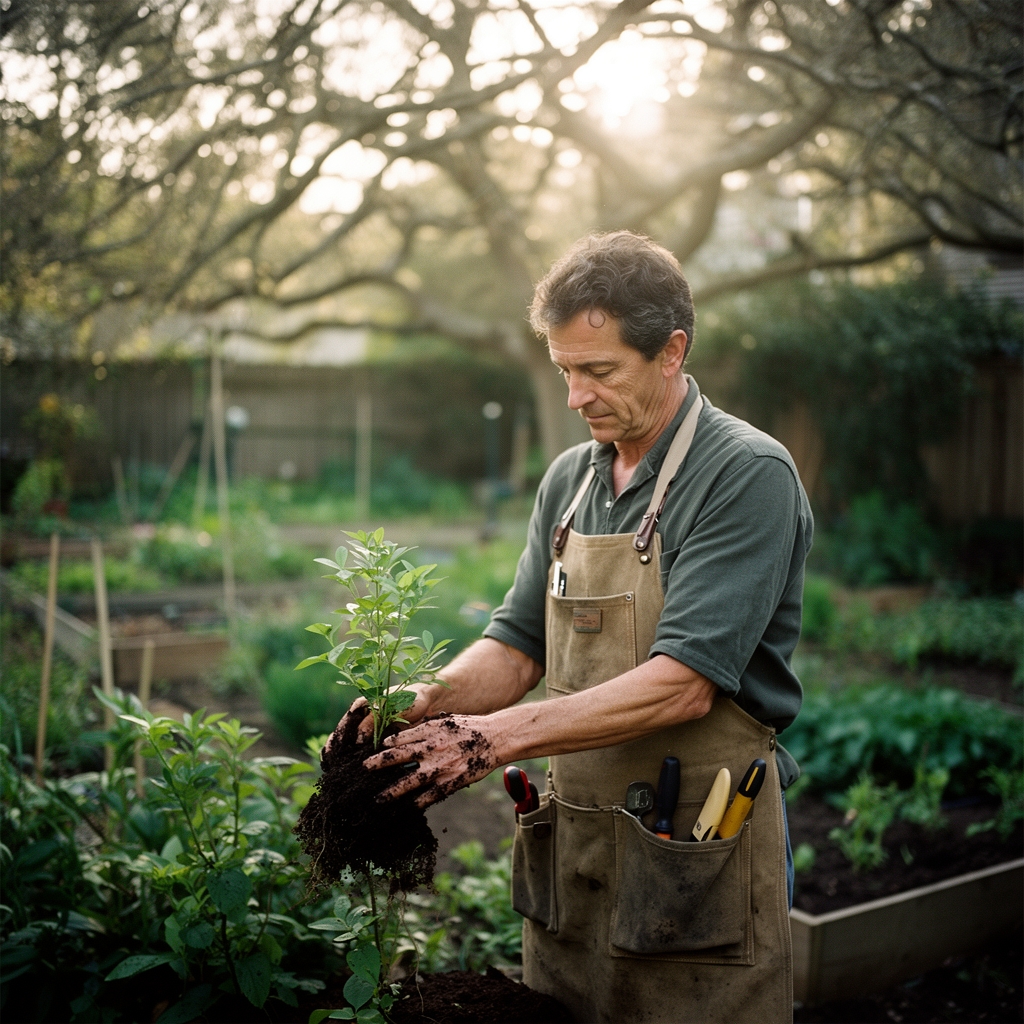
Mark path boundaries with mason's line and landscape paint. Excavate to a depth equal to paver thickness plus 4 inches for base aggregate plus 2 inches for setting sand. A 2-inch flagstone path requires 8 inches total excavation. Slope the subgrade 2% (1/4 inch per foot) away from structures to direct subsurface water. Check grade every 4 feet with a 4-foot level and shims.
Remove roots larger than 1/2 inch diameter. Roots from maples (Acer) and willows (Salix) regenerate aggressively; paint cut ends with triclopyr herbicide at 8% concentration to prevent regrowth beneath pavers. Compact subgrade with a plate compactor making three passes in perpendicular directions until boot-heel impressions measure less than 1/4 inch deep.
Pro-Tip: Spray subgrade with water to 15% moisture content before compacting. Bone-dry or saturated soil cannot achieve proper density.
Base Installation Phase
Lay geotextile fabric across subgrade with 6-inch overlaps at seams. Spread 4 inches of crushed aggregate in two 2-inch lifts. Compact each lift separately. The first lift establishes structural load distribution; the second refines grade. Target a compacted density where aggregate resists hand pressure but still drains freely. Water should percolate through at 6 inches per hour minimum.
Install edging at this stage, driving stakes every 3 feet and securing with 3-inch deck screws. Edging top should align with planned finish grade. Add setting sand (coarse concrete sand, not masonry sand) in a 2-inch loose layer, screed level, then compact lightly to 1.5 inches final thickness.
Pro-Tip: Introduce mycorrhizal fungi inoculum along path edges where ornamentals will be planted. Mix 1 tablespoon of Glomus intraradices spores per cubic foot of backfill soil to enhance phosphorus uptake in adjacent beds.
Paver Placement Phase
Set pavers directly on compacted sand, maintaining 1/4-inch to 1/2-inch joints for permeability. Tap each unit with a rubber mallet until movement ceases. Check level every three pavers. For polymeric sand joints, sweep material into gaps when pavers and weather are completely dry, then mist with water to activate binding polymers. Standard joint sand (fine aggregate passing #30 sieve) requires no activation but allows easier weed germination.
Pro-Tip: Install pavers in a running bond or herringbone pattern for interlocking strength. Stacked joints reduce load distribution by 40% compared to offset patterns.
Troubleshooting
Symptom: Pavers sink or tilt within six months.
Solution: Insufficient base compaction or inadequate excavation depth. Remove affected pavers, add and compact aggregate in 1-inch lifts until stable, then reset.
Symptom: Weeds emerge through joints despite fabric barrier.
Solution: Wind-borne seeds establish in joint sand, not subsoil. Apply corn gluten meal (9-0-0) at 20 pounds per 1,000 square feet in early spring as pre-emergent or spot-treat with 20% acetic acid (horticultural vinegar).
Symptom: Pavers heave in winter (Zones 3-6).
Solution: Base layer too shallow or inadequate drainage. Frost penetration requires 6-8 inches of aggregate in cold climates. Install 4-inch perforated drain tile along path edges if water stands more than 6 hours after rain.
Symptom: Moss colonizes paver surface in shade.
Solution: Indicates pH above 6.0 and excess moisture. Improve canopy pruning to increase light by 30%. Apply ferrous sulfate solution (3 ounces per gallon water) biannually to lower surface pH to 5.5.
Symptom: Edge subsidence creates gaps between path and lawn.
Solution: Mower wheels compact adjacent turf more than path margins. Install a mowing strip (4-inch-wide concrete or brick set flush with turf) to equalize compaction forces.
Maintenance
Apply 1 inch of water every two weeks during establishment only if path edges include new plantings. Paths themselves require no irrigation. Sweep joint sand monthly to prevent organic debris accumulation that supports weed germination. Replenish joint material annually in spring, adding 5 pounds per 100 square feet of path area.
Monitor cation exchange capacity in adjacent beds annually if path includes limestone aggregate. Calcium leaching can raise soil pH by 0.3-0.5 units per year within 18 inches of path margins. Counteract with sulfur amendments at 1 pound per 100 square feet when pH exceeds 7.2 in beds requiring acidic conditions.
Inspect edging anchors each spring. Frost action displaces 15% of stakes annually in Zones 3-5. Re-drive loose stakes and add extras at weak points. Pressure-wash pavers every three years with 1,500 PSI maximum to avoid eroding joint sand.
FAQ
How deep should excavation go for a gravel path?
Excavate 4-6 inches total: 2-3 inches for gravel surface layer and 2-3 inches for base aggregate. Deeper excavation (8 inches) is necessary in clay soils with poor drainage or freeze-thaw zones.
Can I skip geotextile fabric?
Fabric prevents 60-80% of weed emergence and stops soil from migrating into aggregate voids. Omitting it reduces path lifespan by 40% and increases maintenance time threefold.
What spacing works best between stepping stones?
Install stones 18-24 inches on center for average adult stride. Closer spacing (15 inches) accommodates elderly users or steep grades where shorter steps increase safety.
How soon can I walk on a new path?
Compacted aggregate paths accept foot traffic immediately. Paver paths with polymeric sand require 24-48 hours cure time before use. Mortar-set installations need seven days minimum.
Do paths need expansion joints?
Flexible paver paths with sand joints self-accommodate movement. Concrete paths require 3/8-inch expansion joints every 8 feet and at transitions to structures to prevent cracking from thermal expansion.