8 Essential Tools Every Beginner Needs for Organic Vegetable Gardening
No matter how many garden tours I lead, the most common question I get isn't about a plant variety. It's about the tools. People see a thriving patch of Swiss chard or a bed of carrots pulling nitrogen up from the soil, and they ask, "What did you use to make that happen?" Listen. The right gear doesn't make you a gardener, but it makes the work possible, keeps your hands healthy, and honors the biology you're trying to cultivate. To grow food organically, you need implements that work with the living system—from the mycorrhizal fungi in the soil to the ladybugs hunting aphids on your broccoli. This is a guide to the eight essential tools for organic vegetable gardening that form the foundation of every harvest I've ever pulled from the ground.
Materials & Supplies
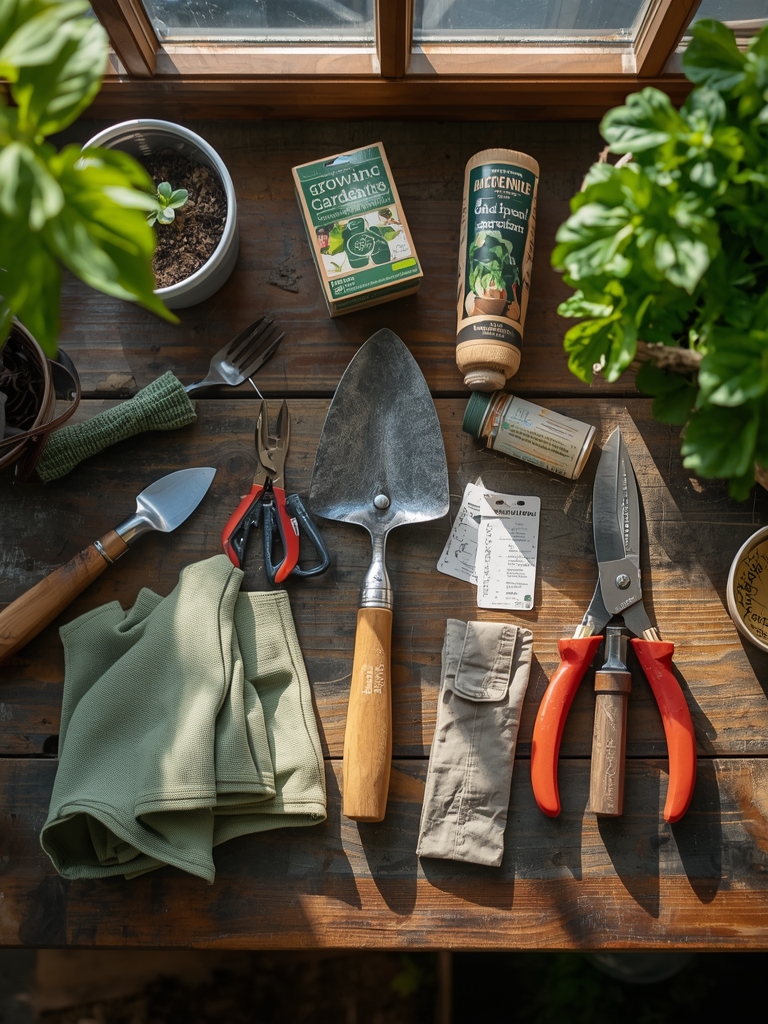
Think of your tools in three categories: what you use to manipulate the soil, what you use to move and measure, and what you use to protect the life in your plot.
For Soil & Plant Care:
- A Sharp, Bypass-Style Hand Pruner: Get one that fits your grip. Use it for deadheading, harvesting cucumbers without damaging the vine, and removing tomato suckers. A clean cut prevents disease entry.
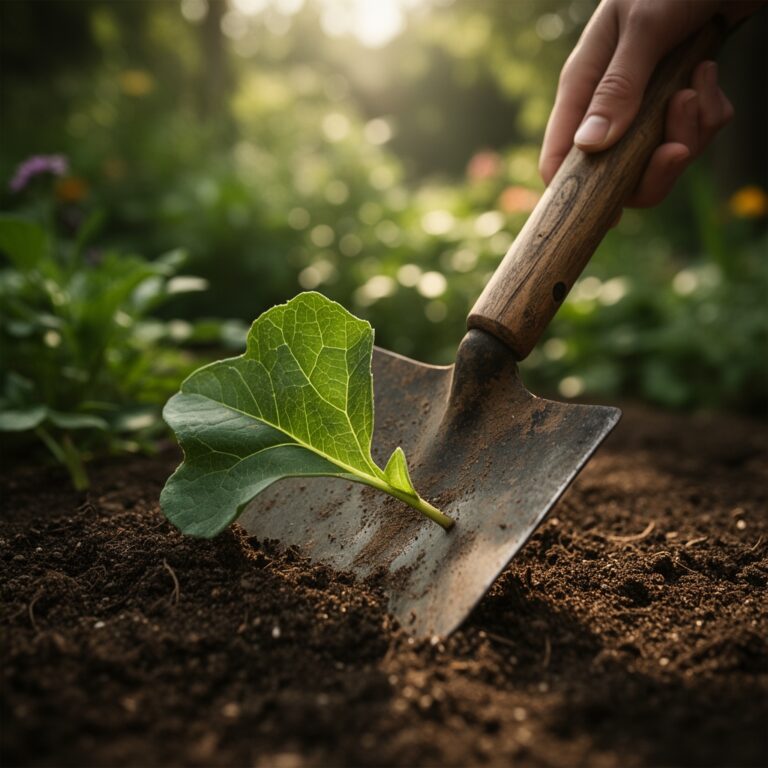
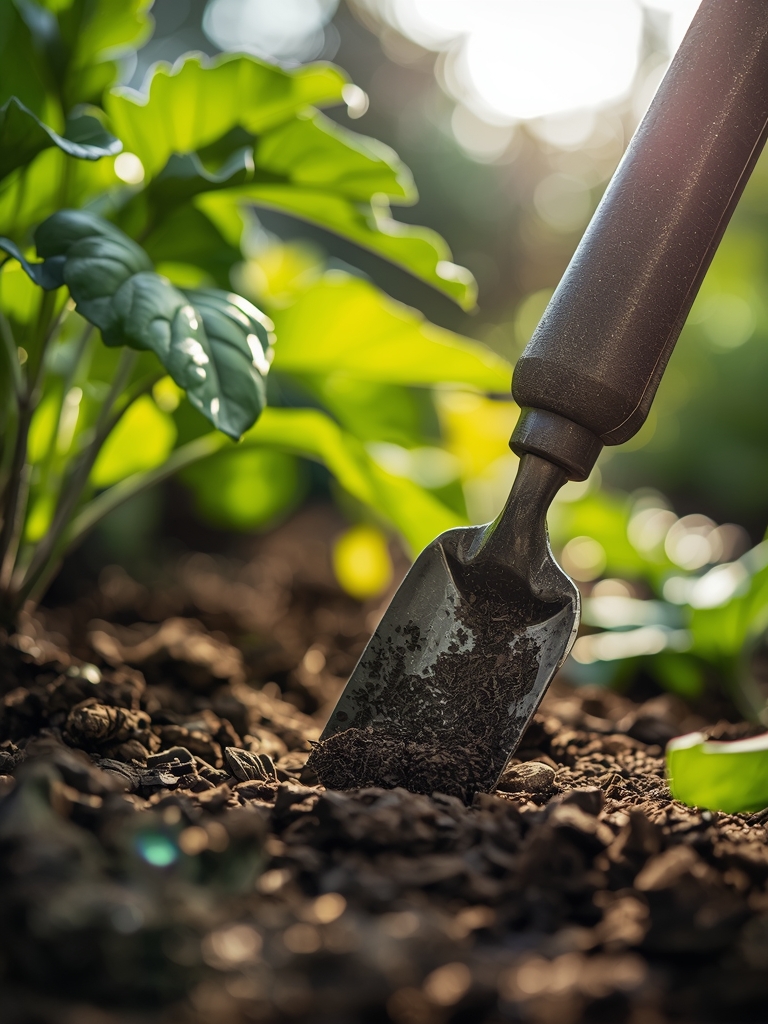
- A Quality Garden Trowel: Look for a forged stainless steel blade and a comfortable handle. You'll use it to transplant seedlings, dig holes for amendments like bone meal, and disturb soil for weed removal. A cheap trowel bends and frustrates you.
- A Durable Hand Fork or Cultivator: This is your tool for aerating soil around plants, gently breaking up crusted surfaces without damaging feeder roots, and incorporating compost into the top 2 inches.
- A Soil Knife (Hori Hori): This Japanese-style knife is a trowel, a saw, a measuring stick, and a weed root digger in one. Its serrated edge cuts through stubborn taproots of weeds like dock without disturbing the entire bed.
For Movement & Measurement:
- A Broad, Flat Garden Fork: This is not a pitchfork. It has flat, square tines. Use it to turn compost piles, lift and separate perennial weeds from soil blocks, and gently aerate beds without the slicing action of a spade, which harms soil structure and worm channels.
-
**A Wheelbarrow or Heavy-Duty Garden Cart:** Hauling five cubic feet of leaf mold compost, a 50-pound bag of organic potting mix, or a harvest of squash requires a solid cart. Get one with a deep basin and pneumatic tires. - A Soil Test Kit: Not a tool you hold, but the most critical one. Organic gardening requires data. You need to know your pH (aim for 6.0–7.0 for most vegetables) and your NPK (Nitrogen, Phosphorus, Potassium) levels. A simple kit lets you amend precisely with sulfur or lime, and add specific organic fertilizers like kelp meal.
For Ecosystem Protection:
- A Set of Floating Row Covers: These lightweight, white fabric sheets are your first line of defense. They create a microclimate for early-season transplants, physically block cabbage moths from laying eggs on your kale, and reduce wind stress. They are reusable for years.
Timing / Growing Schedule
Your tools are useless without a schedule. In temperate Zones 5-7, your core outdoor gardening season runs from late April through October. The fork and cart get busy in early spring for bed prep. The trowel and hori hori see constant action from transplanting time (after last frost) through summer planting. The pruners come into play mid-summer for harvest and maintenance. The row covers are deployed in early spring and late fall. Your soil test kit should be used twice a year: before spring planting and after the fall harvest.
Step-by-Step Instructions
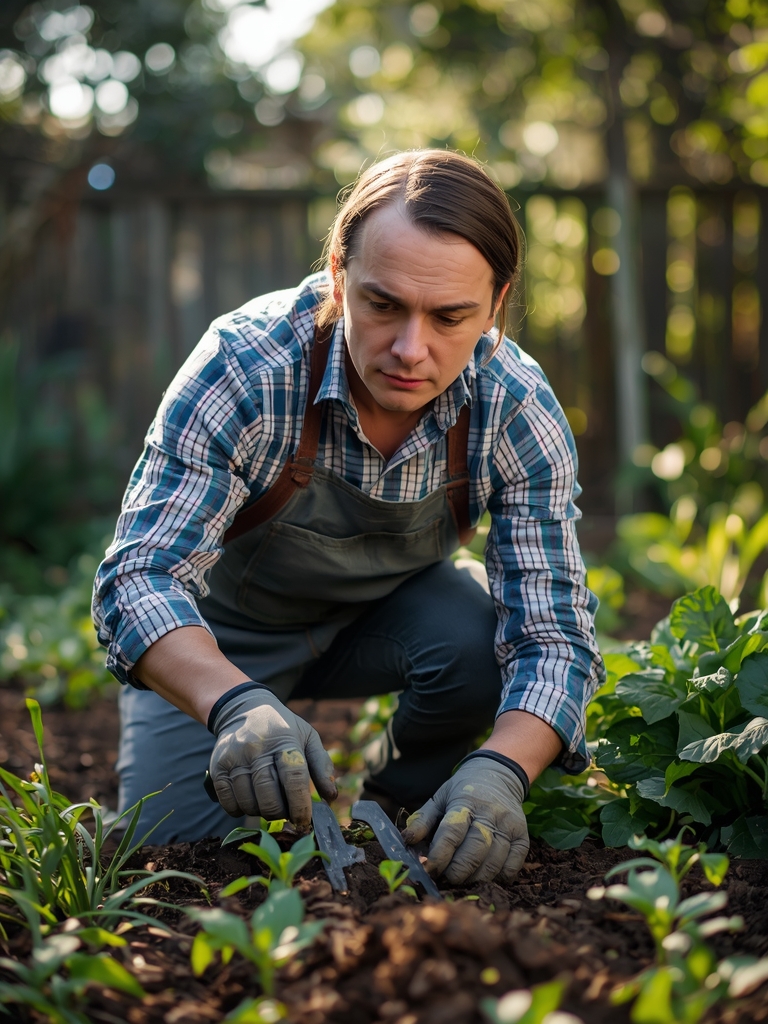
Bed Preparation (Spring & Fall): Use your garden fork to gently loosen the soil in your bed to a depth of 10-12 inches. Do not turn it over; just lift and release. Remove large perennial weed roots with the fork or your hori hori. Use your cart to haul and spread 3 inches of finished compost over the surface. Use your hand cultivator to incorporate it into the top few inches.
- Pro-Tip: Before you fork, lay a piece of cardboard on the bed. The earthworms will congregate underneath it. Fork that area first to preserve their population.
Transplanting & Planting: Use your trowel to dig a hole slightly wider and deeper than the plant's root ball. Set the plant in. Backfill with soil, firming gently with your hands. Use your watering can (not listed but essential) to soak the root zone.
- Pro-Tip: Dust the hole with a pinch of mycorrhizal fungi powder before planting. This symbiotic fungus attaches to root hairs, expanding their nutrient-absorption network by up to fifty times.
Seasonal Maintenance & Harvest: Use your hand pruner for all harvests of fruits, pods, and heads. Cut bean pods from the stem, snip zucchini with a short stub attached, harvest basil just above a leaf node. Use your row covers immediately if you see insect pressure like flea beetles or to protect seedlings from a late spring cold snap.
- Pro-Tip: When harvesting leafy greens like lettuce, use the hori hori to cut the entire plant at the base just above the soil line. This is cleaner and faster than pruner snips for large heads.
Nutritional & Environmental Benefits
The tools here serve a system that produces food rich in specific nutrients: calcium from kale grown in well-aerated soil, folate from beans harvested cleanly, and lycopene from tomatoes ripened on healthy, pruned vines. This garden ecosystem supports predatory beetles, pollinating butterflies, and a soil food web that sequesters carbon. The fork and cultivator maintain pore spaces for oxygen, critical for nitrogen-fixing bacteria. The row covers allow pest management without a single spray.
Advanced Methods & Variations
For Small Space/Container Gardening: The trowel, hand fork, pruner, and hori hori are your core quartet. A 5-gallon bucket can substitute for a cart. Soil testing is even more critical here; monitor container pH monthly as it can shift quickly.
For Organic/Permaculture Methods: Add a manual stirrup hoe for swift weed slicing in pathways. The garden fork is key for building layered "lasagna" beds and turning compost piles to accelerate decomposition by thermophilic bacteria.
For Season Extension: The row cover is your primary tool. Use it with simple PVC hoops to create low tunnels over beds in early spring and late fall, effectively adding 4-6 weeks to your season on either end.
Troubleshooting: Common Mistakes
Symptom: Hand tools bending, breaking, or rusting after one season.
Solution: You bought cheap, stamped steel tools. Invest in forged stainless steel or carbon steel with a good finish. Clean and dry them after use.
Symptom: Soil compaction, water pooling, plants stunted.
Solution: You're using a pointed spade or shovel for bed work, which slices and compacts soil layers. Switch to the flat-tined garden fork for all bed preparation and cultivation.
Symptom: Insect infestations seem to appear overnight.
Solution: You're reacting instead of preventing. Install floating row covers immediately after transplanting seedlings to create a physical barrier against egg-laying insects.
Symptom: Tomato plants look sickly, harvests are small.
Solution: You're not pruning or harvesting cleanly. A dull pruner mangles stems, leaving wounds open to blight. Keep your pruner sharp and disinfect it between plants.
Storage & Ongoing Maintenance
Wash soil off your metal tools after each use. Let them dry completely. Store them in a dry place. Sharpen your pruner and hori hori blade with a file every few months. Check row covers for tears and mend them with garden tape. Re-calibrate your soil test kit annually. Your cart's bearings and tires will need inspection; keep them clean and inflated.
Conclusion
Start with the soil fork and test kit to know your ground. Move plants with the trowel and protect them with the row cover. Maintain and harvest with the sharp pruner and versatile hori hori. Finally, let the wheelbarrow do the heavy lifting. This is the blueprint. Now, go find a local garden supply store that lets you hold the tools before you buy. Feel the balance of that pruner in your palm. That's the first step.
Expert FAQs
What is the single most important tool for starting an organic vegetable garden?
The soil test kit. Organic gardening is amendment-specific. Knowing your soil's pH and nutrient levels prevents wasted effort and resources. You cannot guess correctly.
Can I use regular scissors instead of garden pruners?
No. Scissors will pinch and crush plant stems, damaging vascular tissues and inviting disease. Bypass pruners make a clean, slicing cut that heals quickly.
How do I clean and disinfect my garden tools to prevent disease spread?
After washing off soil, wipe metal surfaces with a cloth soaked in isopropyl alcohol or a 10% bleach solution. This kills pathogens like tomato blight or basil downy mildew spores.
What type of row cover material is best for organic pest control?
Use a lightweight, white polyester or polypropylene fabric with a weight of 0.55 ounces per square yard. It allows about 85% light transmission and water penetration while blocking most insects.
Is a hori hori knife really better than a standard trowel?
For detailed work, yes. Its sharp point and serrated edge allow you to perform precision tasks like dividing herb roots, cutting twine, and digging out deep weed roots that a blunt trowel cannot manage.