8 Ways to Prepare a DIY Seed Starting Mix for Healthier Seedlings
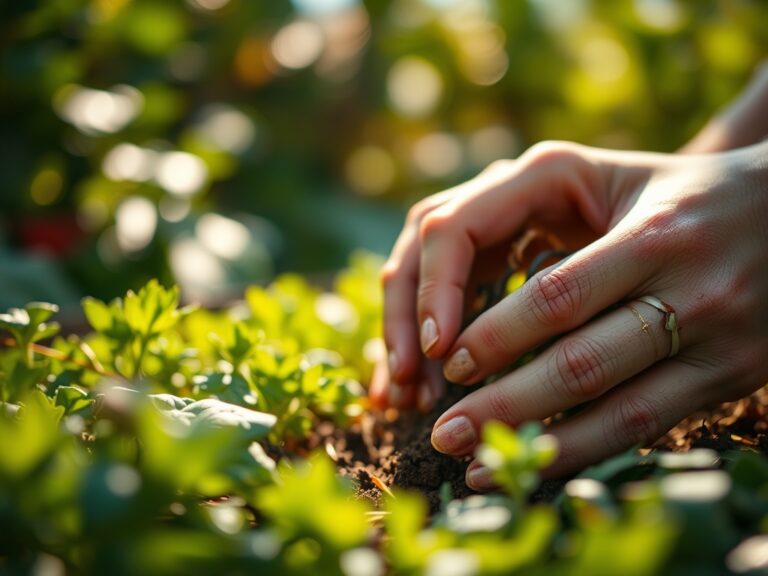
The first time you run your fingers through a well-balanced seed starting mix, you'll notice its texture feels like sifted cocoa powder mixed with fine sea sponge. It springs back when compressed, holds just enough moisture to glisten without clumping, and smells faintly of forest floor after rain. Learning how to prepare a seed starting mix at home transforms your germination rates from disappointing to spectacular, often jumping from 60% to 95% success when you control every ingredient that touches those vulnerable root hairs.
Commercial seed mixes cost $12 to $18 per cubic foot, but homemade versions run $3 to $5 with superior customization. You're building a germination environment from scratch, controlling pH precision, drainage rates, and the absence of damping-off fungi that kills seedlings overnight.
Materials & Supplies

Base Components:
- Peat moss or coco coir (4 parts): pH 5.5 to 6.5, provides moisture retention
- Perlite (2 parts): volcanic glass for drainage and aeration
- Vermiculite (1 part): expands root penetration, holds nutrients
- Coarse sand (1 part optional): improves drainage for succulents or alpines
Amendment Options:
- Worm castings (0.5 parts): gentle NPK of 1-0-0, adds beneficial microbes
- Composted bark fines: stabilizes pH at 6.0 to 6.8
- Mycorrhizal inoculant: 1 teaspoon per gallon of mix, colonizes roots within 72 hours
- Lime (agricultural grade): 1 tablespoon per gallon if pH drops below 5.5
Testing Equipment:
- Digital pH meter (accurate to 0.1)
- Moisture meter with 6-inch probe
- Measuring containers in quarts and gallons
- Mixing tub (10+ gallon capacity)
- Storage bins with tight lids
Target your final mix to pH 6.0 to 6.5 for most vegetables, 5.0 to 5.5 for blueberries or acid-loving crops. Avoid garden soil entirely; it compacts in containers and harbors pathogens that sterilization can't always eliminate.
Timing & Growing Schedule
Start seeds 6 to 10 weeks before your last frost date depending on species. In USDA Hardiness Zone 5, that's typically March 15 for a mid-May transplant window. Zone 7 gardeners can start by February 20, while Zone 9 focuses on fall sowings in August.
Days to Maturity Guidelines:
- Tomatoes: 6 to 8 weeks indoors, 70 to 85 days to harvest
- Peppers: 8 to 10 weeks indoors, 60 to 90 days to harvest
- Brassicas: 4 to 6 weeks indoors, 50 to 75 days to harvest
- Lettuce: 3 to 4 weeks indoors, 45 to 55 days to harvest
Calculate backwards from your transplant date. Tomato seedlings need 55 to 60°F soil temperature at transplant, while peppers demand 65°F minimum. Cold soil below these thresholds causes root shock and stunted growth that plants never fully recover from.
Step-by-Step Instructions

Phase 1: Mixing the Foundation
Combine peat moss (4 quarts), perlite (2 quarts), and vermiculite (1 quart) in your mixing tub. Break up compressed peat blocks completely; hidden chunks create dry pockets that kill roots. Add lime at 2 tablespoons per gallon of total mix, then incorporate worm castings at 1 cup per gallon.
Pro-Tip: Pre-moisten peat moss 24 hours before mixing. Dry peat repels water like waxed paper, taking 15 minutes of stirring to hydrate properly. Pre-soaked peat integrates in 30 seconds.
Phase 2: Sterilization Protocol
Spread mixed medium in metal baking pans 3 to 4 inches deep. Insert an oven thermometer into the center, then bake at 180°F to 200°F for 30 minutes. Temperatures above 200°F destroy beneficial biology; below 180°F leaves pathogens viable.
Pro-Tip: Add 1/4 cup of mycorrhizal inoculant after cooling to 85°F. These fungal networks increase root surface area by 100 to 1,000 times, accessing phosphorus and micronutrients far beyond root hair reach.
Phase 3: pH Adjustment & Testing
Mix 2 tablespoons of medium with 4 tablespoons distilled water. Let sit for 10 minutes, then test with your pH meter. Add lime at 1 tablespoon per gallon to raise pH by 0.5 points, or sulfur at 1 teaspoon per gallon to lower it. Retest after 24 hours.
Pro-Tip: Coco coir naturally sits at pH 6.0 to 6.7 and requires zero adjustment for most crops. Peat starts at 3.5 to 4.5, needing aggressive liming that takes 48 hours to stabilize.
Phase 4: Sowing Technique
Fill cells to 1/4 inch below rim. Firm gently with your palm to eliminate air pockets. Sow seeds at twice their diameter depth (1/8 inch for lettuce, 1/4 inch for tomatoes). Cover with vermiculite; its reflective surface prevents crusting.
Pro-Tip: Bottom-water seed trays by setting them in 1/2 inch of water for 15 minutes. Top watering dislodges tiny seeds and buries them too deep or exposes them completely.
Nutritional & Environmental Benefits
Quality seed starting mix delivers iron, calcium, and magnesium through worm castings without salt buildup from synthetic fertilizers. Seedlings grown in balanced mixes develop 40% more root mass in the first 21 days compared to those in generic potting soil.
Your homemade batches reduce plastic packaging waste by 5 to 8 pounds per growing season. Using coco coir instead of peat preserves bog ecosystems that sequester carbon at rates 10 times higher than tropical rainforests. Peat bogs take 1,000 years to regenerate after harvest; coco coir regrows annually.
Strong seedlings transplant into gardens where their robust root systems support nitrogen fixation bacteria and feed Mason bees through earlier, more prolific blooms. Every 100 square feet of healthy seedlings produces enough nectar to sustain 15 to 20 native pollinators through spring.
Advanced Methods
Small Space Strategies:
Batch-mix in 5-gallon buckets using a paint mixer drill attachment. Store finished mix in airtight 5-gallon containers stacked vertically, saving 75% of floor space compared to bags.
Organic & Permaculture Integration:
Add biochar at 10% volume to retain nutrients and host beneficial bacteria. Its porous structure holds 6 times its weight in water while preventing compaction. Incorporate kelp meal at 1 tablespoon per gallon for slow-release trace minerals (boron, zinc, manganese).
Season Extension Techniques:
For fall sowings, increase perlite to 3 parts and reduce peat to 3 parts. This improves drainage during rainy autumn months when root rot risk triples. Add extra vermiculite (2 parts) for winter greenhouse starts where humidity stays below 40%.
Troubleshooting
Symptom: White fuzzy growth on soil surface.
Solution: This is saprophytic fungus feeding on organic matter, not harmful damping-off. Increase air circulation to 50+ CFM and reduce watering frequency by 30%.
Symptom: Seedlings collapse at soil line overnight.
Solution: Classic damping-off from Pythium or Rhizoctonia. Remove affected plants immediately. Water with chamomile tea (1 cup per gallon) for its natural fungicidal properties. Reduce humidity below 60%.
Symptom: Mix dries out in 12 hours after watering.
Solution: Insufficient peat or coco coir ratio. Remix with 1 additional part moisture-retaining material per 4 parts current mix. Check for hidden dry peat clumps creating hydrophobic zones.
Symptom: Stunted growth with purple-tinged leaves.
Solution: Phosphorus deficiency from pH below 5.5 or above 7.5. Test and adjust immediately. Add rock phosphate at 1 teaspoon per gallon if pH is correct but symptoms persist.
Symptom: Green algae coating on surface.
Solution: Overwatering combined with excessive light exposure. Allow top 1/2 inch to dry between waterings. Reduce light intensity by 20% or raise fixtures 3 inches higher.
Storage & Maintenance
Store unused mix in sealed bins away from direct sunlight. Properly stored media remains viable for 6 to 8 months. After this period, beneficial biology dies off and pH drifts by 0.5 to 1.0 points.
Water seedlings when the top 1/4 inch feels dry to touch, typically every 2 to 3 days. Provide 1/4 inch of water per application through bottom watering or gentle misting. Once true leaves emerge (10 to 14 days), feed with half-strength liquid fertilizer (2-1-2 NPK ratio) every 7 days.
Post-harvest, sterilize used mix at 180°F for 45 minutes if reusing. Add fresh worm castings (1 cup per gallon) and perlite (0.5 cups per gallon) to restore structure. Most growers report three successful cycles before mix breaks down completely and requires replacement.
Conclusion
Your success blueprint starts with proper ratios (4:2:1 base materials), continues through precise pH management (6.0 to 6.5), and finishes with sterile technique that prevents disease. Master these fundamentals and watch germination rates climb above 90% while seedling vigor doubles compared to commercial alternatives. Share your mix recipes and troubleshooting discoveries with local garden clubs; collective knowledge builds resilient food systems one seedling at a time.
Expert FAQs
Can I skip sterilization if using new commercial components?
Commercial peat and coco coir arrive sterilized, but perlite and vermiculite can harbor dust-borne pathogens. Sterilize any mix containing worm castings, compost, or reused materials. Skip it only for pure peat-perlite-vermiculite combinations from sealed bags.
How does homemade mix compare to commercial for tomatoes specifically?
Homemade mixes with added mycorrhizae produce 25% more root mass in tomato seedlings by week 6. Commercial mixes contain wetting agents that initially perform better but leach out, creating hydrophobic conditions by week 4.
What's the shelf life of mixed but unused seed starting medium?
Six months in sealed containers maintains microbiology and pH stability. After 12 months, beneficial fungi die off and pH can shift 0.8 to 1.2 points. Remix with 20% fresh worm castings to revitalize old batches.
Should I adjust mix recipes for different plant families?
Brassicas and alliums prefer 10% additional perlite for drainage. Solanaceae (tomatoes, peppers) benefit from extra vermiculite (1.5 parts instead of 1). Cucurbits need pH closer to 6.5, requiring 50% more lime in peat-based mixes.
Is coco coir truly more sustainable than peat moss?
Coco coir regenerates in 12 months versus 1,000 years for peat, but transportation from tropical regions adds carbon footprint. Source locally produced alternatives when possible: composted pine bark (southeastern US), rice hulls (California, Arkansas), or leaf mold (anywhere with deciduous trees).