9 Best Tools for Indoor Plant Maintenance: A Complete Buyer’s Guide
Moisture seeps through porous terracotta, and the earthy scent of composted bark rises from a freshly watered pot. The fingertips leave faint traces on glossy monstera leaves dusted with mineral deposits from tap water. Indoor plant maintenance transforms from guesswork into precision gardening when equipped with the best tools for indoor plant maintenance, instruments that measure moisture three inches below the surface and scissors sharp enough to make clean cuts without crushing vascular tissue. These nine essentials separate thriving potted jungles from collections of struggling specimens.
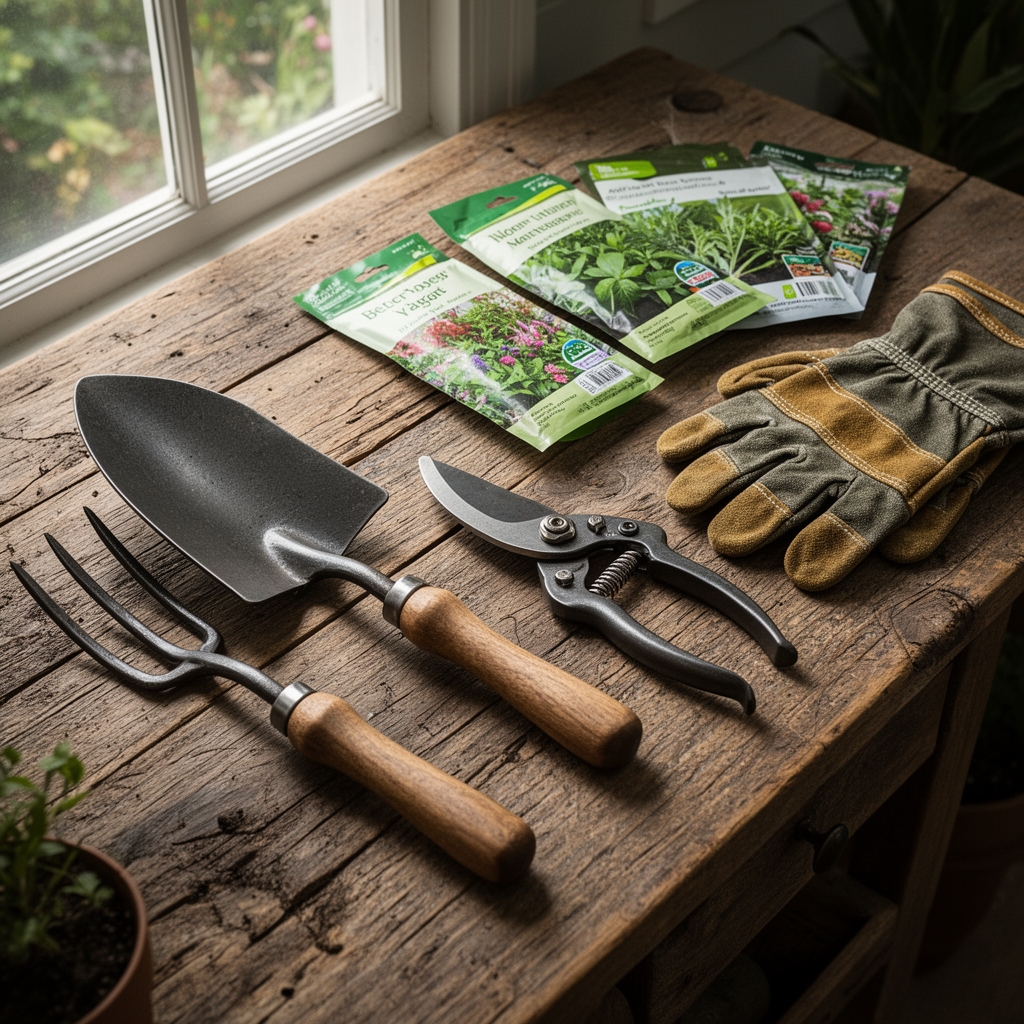
Materials & Supplies
Moisture Meter (Three-Probe Design)
Digital meters with 6 to 8-inch probes measure soil hydration at root-zone depth. Accuracy within 10% prevents overwatering, the leading cause of indoor plant mortality. Models with pH and light sensors provide additional diagnostic data.
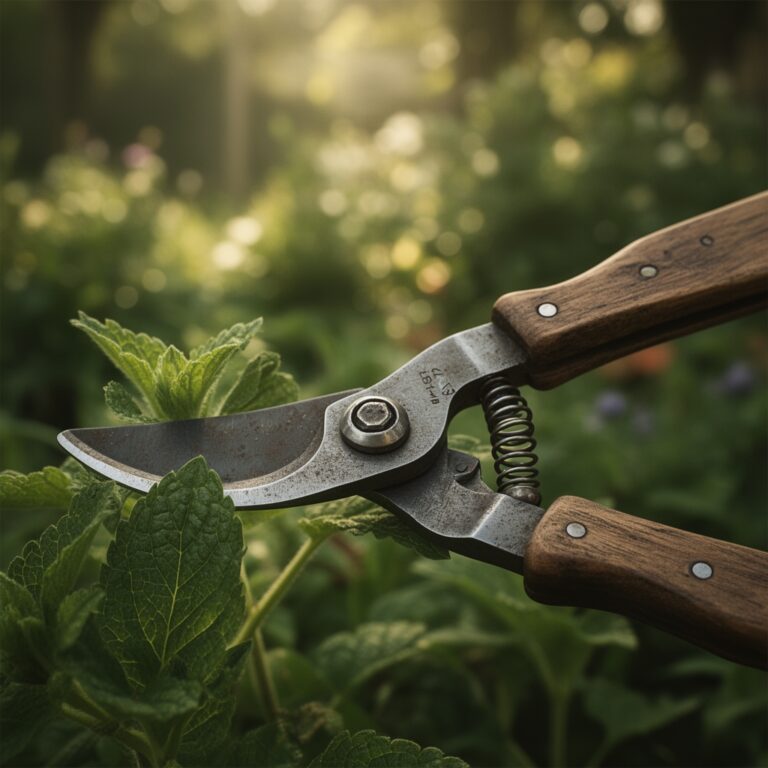
Bypass Pruning Shears (Hardened Steel)
Chrome-plated carbon steel blades create clean cuts on stems up to 0.5 inches in diameter. The bypass design crushes 40% less tissue than anvil-style cutters, reducing infection entry points. Ergonomic handles reduce hand fatigue during propagation sessions.
Liquid Fertilizer (3-1-2 NPK Ratio)
Balanced formulations at 3-1-2 ratios support vegetative growth without excessive nitrogen that causes weak, leggy stems. Dilute to quarter strength (0.75-0.25-0.5 effective NPK) for monthly applications. Organic kelp-based products contain 60+ trace minerals and natural growth hormones.
Soil pH Test Kit (4.0 to 9.0 Range)
Colorimetric testing strips or liquid reagents measure substrate acidity. Most tropical houseplants prefer 6.0 to 6.5 pH. Readings below 5.5 indicate nutrient lockout; above 7.5 signals iron and manganese deficiency.
Long-Spout Watering Can (0.5 Gallon)
Narrow spouts deliver water directly to soil surfaces without splashing foliage. Copper or stainless steel resists algae buildup. The 0.5 gallon capacity provides control for containers under 10 inches in diameter.
Potting Mix (Peat-Free Formula)
Coconut coir-based substrates with 30% perlite and 15% worm castings provide drainage and aeration. Avoid garden soil indoors; it compacts and harbors pathogens. Pre-moistened mix prevents hydrophobic conditions during repotting.
Root Rake (Bamboo or Metal Tines)
Three-inch tines gently separate rootbound masses during transplanting. Loosening circling roots increases outward growth by 60% compared to leaving root balls intact. Bamboo models prevent accidental root tearing.
Spray Bottle (Continuous-Mist Design)
Fine-mist atomizers increase humidity around fern species and calatheas requiring 60%+ ambient moisture. Use distilled water to prevent mineral buildup on leaf surfaces. Adjustable nozzles switch between mist and stream for pest control.
Cleaning Cloths (Microfiber)
Lint-free fabric removes dust that blocks stomata and reduces photosynthetic efficiency by 25%. Dampen cloths with distilled water for aroids and ficus. Dry-wipe succulents to avoid removing protective farina coatings.
Timing & Growing Schedule
Indoor environments offer climate control, but circadian rhythms and dormancy periods remain crucial. Photoperiod affects flowering in plants like Christmas cacti, requiring 12 to 14 hours of darkness for bud initiation.
Active Growth (Spring/Summer)
From March through September, increase watering frequency by 40% and fertilize every 14 to 21 days. Soil temperatures above 65°F promote root activity. This period corresponds to USDA Hardiness Zones 3 through 11 outdoor growing seasons.
Dormancy (Fall/Winter)
October through February brings reduced light intensity. Cut fertilization to every 45 days. Lower watering frequency by 50%, allowing the top two inches of soil to dry completely. Many tropicals enter semi-dormancy, ceasing active growth for 90 to 120 days.
Repotting Windows
Transplant during early active growth (late February to April) when root systems regenerate quickly. Avoid repotting during dormancy; root disturbance without subsequent growth causes transplant shock lasting eight weeks.
Step-by-Step Instructions
Phase 1: Initial Setup
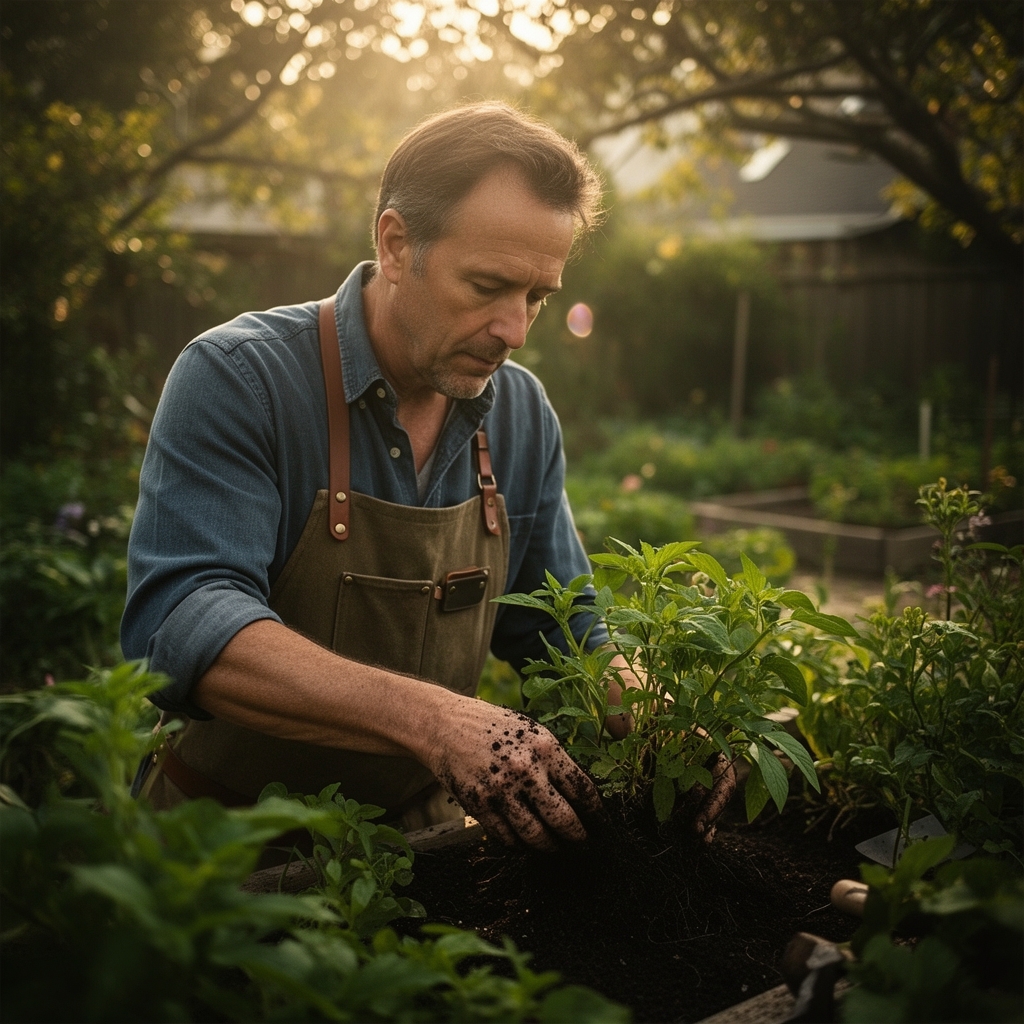
Select containers with drainage holes at least 2 inches larger than current root balls. Layer 1 inch of drainage material (lava rock or pottery shards) at the base. Fill one-third with pre-moistened potting mix. Position the plant so the root crown sits 0.5 inches below the rim, preventing water overflow.
Pro-Tip: Water thoroughly 24 hours before repotting. Hydrated root balls separate cleanly from old containers without tearing feeder roots.
Phase 2: Establishing Routine Maintenance
Insert the moisture meter probe at three equidistant points around each container. Water when readings drop to 3 (on a 1 to 10 scale) for most species. Rotate pots 90 degrees weekly to prevent phototropic leaning. Prune yellowed leaves at the petiole base using sanitized shears.
Pro-Tip: Sterilize cutting tools between plants by wiping blades with 70% isopropyl alcohol. This prevents bacterial and fungal transmission between specimens.
Phase 3: Seasonal Adjustments
Monitor light levels with the moisture meter's lux sensor. Supplement with grow lights when readings fall below 1,000 lux during winter months. Adjust watering based on ambient humidity; increase frequency when heating systems drop moisture below 40%. Group plants to create microclimates with 10 to 15% higher localized humidity.
Pro-Tip: Place pebble trays beneath containers. Fill trays with 0.5 inches of water below pot bases. Evaporation increases immediate humidity without risking root rot.
Nutritional & Environmental Benefits
Indoor plants filter airborne toxins through phytoremediation. Pothos removes formaldehyde at rates of 10 micrograms per hour per square foot of foliage. Snake plants convert CO2 to oxygen nocturnally, improving bedroom air quality by 8%.
Mineral Cycling
Decomposing organic matter in quality potting mixes supports beneficial bacteria populations exceeding 1 billion CFU per gram. These microbes break down complex molecules into bioavailable forms: nitrogen fixation converts atmospheric N2 into ammonia, mycorrhizal fungi extend root absorption area by 100 to 1,000 times, and phosphorus-solubilizing bacteria release bound phosphates from organic compounds.
Ecosystem Integration
Use spent potting soil as outdoor garden amendments after 18 to 24 months. The decomposed organic matter improves native soil structure. Composting dead plant material returns nutrients to growth cycles, reducing household organic waste by 15 to 20 pounds annually per ten plants.
Advanced Methods
Container Gardening in Small Spaces
Vertical arrangements maximize limited square footage. Install floating shelves at 18-inch intervals to accommodate trailing pothos and philodendrons. Use macrame hangers for air plants requiring no substrate. Stagger light requirements: place low-light tolerant species (snake plants, ZZ plants) in north-facing corners while positioning monstera and fiddle-leaf figs near south windows.
Organic Growing Practices
Replace synthetic fertilizers with worm castings at 2 tablespoons per 6-inch pot monthly. Brew compost tea by steeping 1 cup castings in 1 gallon dechlorinated water for 24 hours. This liquid feeds beneficial microbes while providing soluble nutrients. Top-dress with 0.25 inches of fresh worm castings every 60 days.
Season Extension Techniques
Install full-spectrum LED grow lights providing 2,000 to 4,000 lux for 12 to 14 hours daily during winter. Position lights 12 to 18 inches above foliage. Supplement heating with seedling heat mats maintaining soil temperatures at 72 to 75°F for tropical species. This extends active growth periods by 60 to 90 days annually.
Troubleshooting
Symptom: Yellow leaves with brown crispy edges
Solution: Classic underwatering or low humidity. Increase watering frequency by 30%. Mist foliage twice daily or relocate plants away from heating vents. Check moisture meter readings remain above 4 between waterings.
Symptom: Wilting despite moist soil
Solution: Root rot from poor drainage or fungal infection. Remove plant from container. Trim blackened roots with sterilized shears. Repot in fresh mix with added perlite (40% by volume). Reduce watering frequency by 50% during recovery.
Symptom: Pale new growth and stunted leaves
Solution: Nitrogen deficiency from depleted soil. Apply liquid fertilizer at full strength immediately. Increase feeding frequency to every 10 days for 30 days, then return to standard schedule. Top-dress with worm castings for slow-release nitrogen.
Symptom: White crusty deposits on soil surface
Solution: Mineral buildup from hard water or over-fertilization. Flush pots with distilled water using three times container volume. Switch to rainwater or filtered sources. Reduce fertilizer concentration by 50% for eight weeks.
Symptom: Webbing between leaves with stippled yellow spots
Solution: Spider mite infestation thriving in low humidity. Spray all leaf surfaces with neem oil solution (2 tablespoons per quart water). Repeat every five days for three applications. Increase ambient humidity above 50% to prevent recurrence.
Storage & Maintenance
Watering Protocols
Most tropical houseplants require 0.25 to 0.5 inches of water weekly during active growth. Measure output: 0.25 inches equals approximately 8 ounces for a standard 8-inch pot. Water until liquid drains from bottom holes, then empty saucers within 15 minutes. Cacti and succulents need 0.1 inches every 14 days, allowing complete soil drying between applications.
Feeding Schedules
Apply diluted liquid fertilizer (quarter strength) every 21 days from March through September. Skip fertilization entirely from November through January unless supplemental lighting maintains 14+ hour photoperiods. Organic options include fish emulsion (5-1-1 NPK), providing quick nitrogen, or kelp meal (1-0.1-2), offering trace minerals and growth regulators.
Tool Maintenance
Clean pruning shears after each use session. Scrub blades with dish soap and hot water, then disinfect with rubbing alcohol. Sharpen cutting edges every 40 to 50 cuts using a 20-degree angle whetstone. Store moisture meters with probes cleaned of soil residue; sensors corrode when stored dirty, losing accuracy within six months.
Long-Term Storage
Rotate dormant plants to unheated rooms (55 to 60°F) during winter rest periods. Reduce watering to monthly deep soaks. This cold treatment triggers flowering in species like amaryllis and clivia. Resume normal care when new growth appears in late winter.
Conclusion
Success with indoor plant maintenance requires precise measurement, consistent scheduling, and quality tools that provide diagnostic information. Master moisture monitoring at root depth, maintain sharp cutting instruments for clean pruning, and adjust feeding based on growth cycles rather than calendar dates. Share propagations with neighbors to build community green spaces and exchange care techniques that transform individual hobby growing into collective urban agriculture.
Expert FAQs
What moisture meter reading indicates it's time to water most houseplants?
Water when readings drop to 3 or 4 on a 1-to-10 scale for tropical foliage plants. Succulents tolerate readings of 1 to 2. Take measurements 3 inches deep at the container's midpoint, avoiding areas near drainage holes where soil dries faster.
How often should I fertilize indoor plants during winter months?
Reduce fertilization to every 45 to 60 days from November through February when most species enter dormancy. Plants under grow lights maintaining 14+ hour photoperiods continue active growth and require standard 21-day feeding schedules.
Can I use outdoor garden soil for potting indoor plants?
Never use unprocessed garden soil indoors. It compacts in containers, restricting oxygen to roots and harboring soilborne pathogens. Use sterile potting mixes with 30%+ perlite or pumice for proper drainage and aeration.
What's the ideal humidity level for tropical houseplants?
Maintain 50 to 60% relative humidity for ferns, calatheas, and prayer plants. Most common houseplants (pothos, philodendrons, snake plants) tolerate 40 to 50%. Use hygrometers to monitor levels; increase humidity through grouping plants, pebble trays, or cool-mist humidifiers.
How do I know when it's time to repot a plant?
Repot when roots circle the container's interior or emerge from drainage holes. Other indicators include water running straight through without absorption, rapid soil drying within 24 hours, or visible root masses displacing soil at the surface. Transplant during early spring for fastest establishment.