9 Pro Tips to Use a Mill File for Sharpening
The curved blade of a hoe meets soil thousands of times each season, dulling with every root severed and every clump broken apart. A sharp hoe cuts cleanly through weeds at soil level, while a dull one tears and bruises, demanding extra passes and wasted energy. Learning how to use a mill file for sharpening hoes transforms a frustrating garden chore into precision work, reducing labor by up to forty percent while improving weed control efficacy. The mill file, with its single-cut teeth and flat rectangular profile, removes metal in controlled strokes that restore the factory bevel without overheating the steel or compromising temper.
Materials
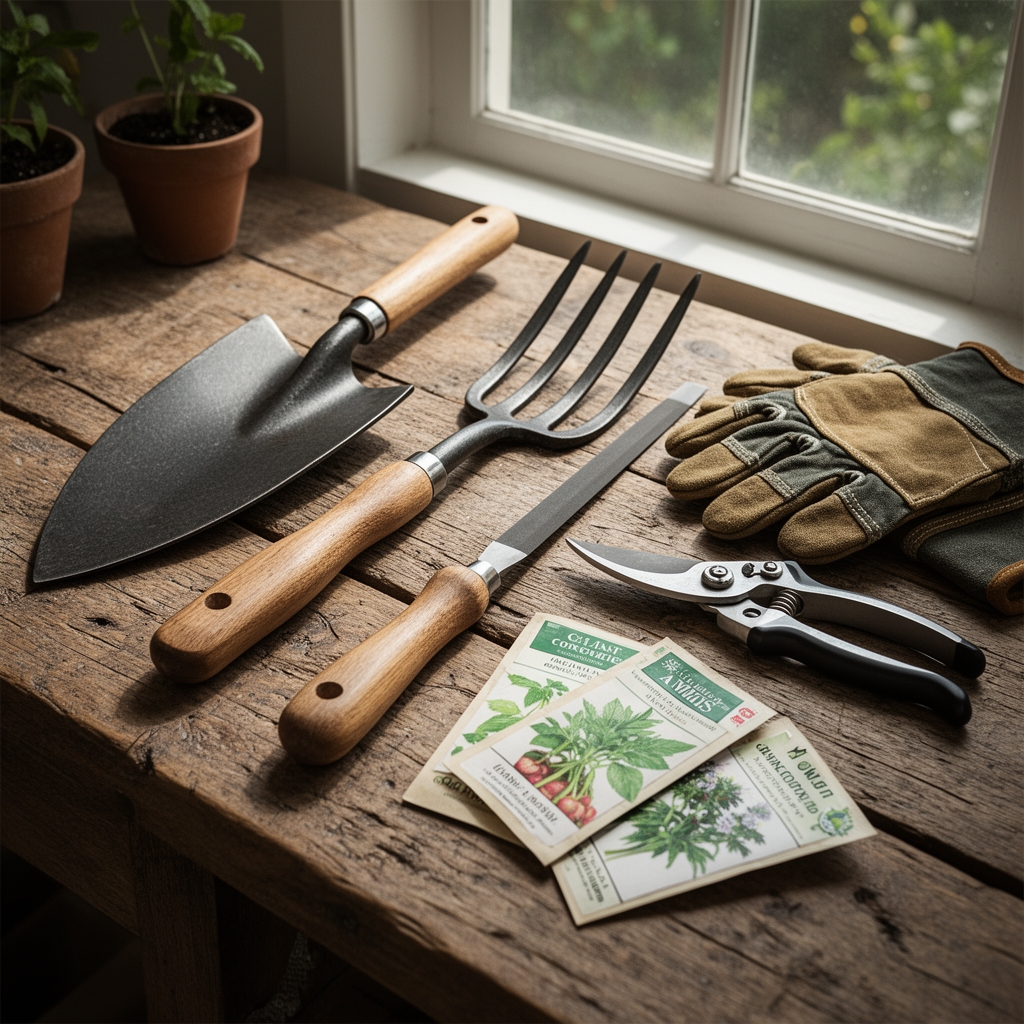
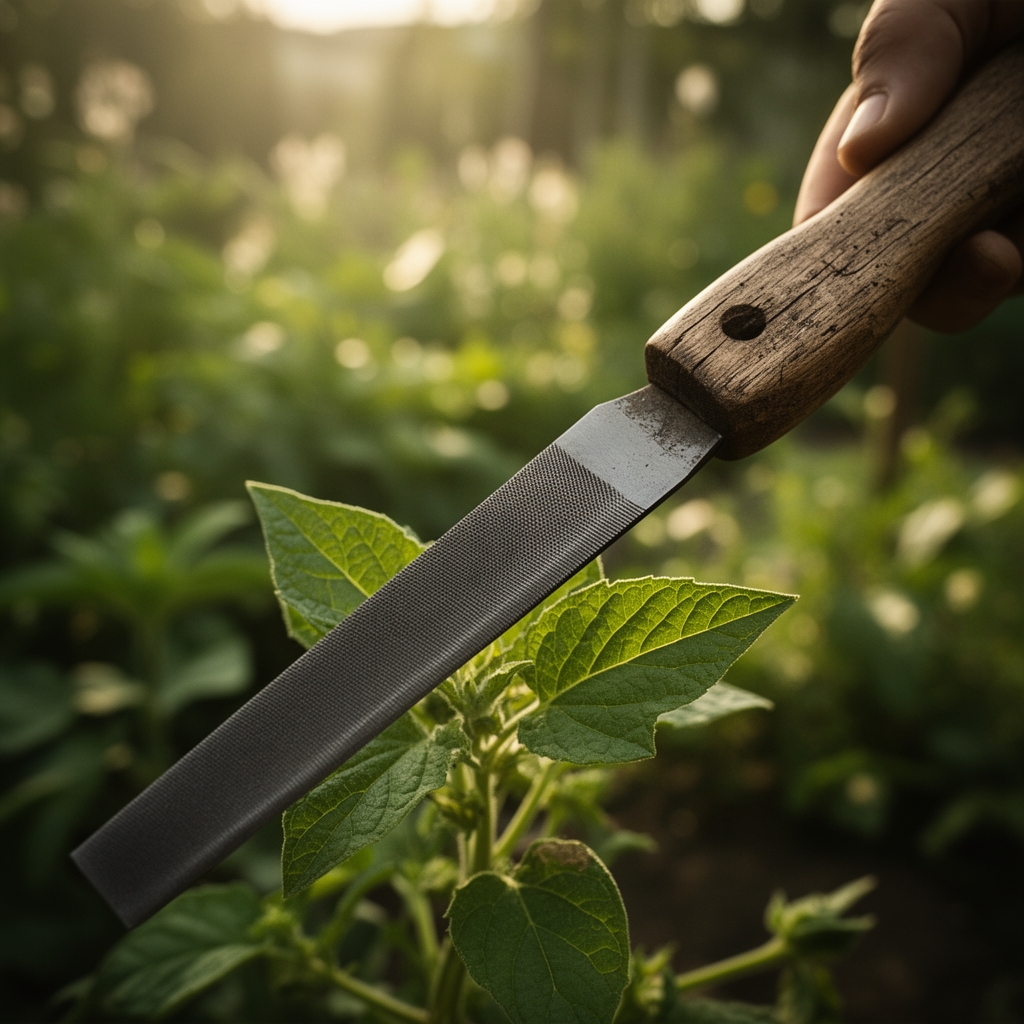
Select an 8-inch or 10-inch mill bastard file with single-cut teeth oriented at 65 degrees to the file's centerline. The bastard grade (medium coarseness) removes enough metal per stroke for efficient sharpening without leaving deep scratches that weaken the blade edge. A file card, essentially a short-bristled wire brush, clears metal filings from the file teeth after every six to eight strokes.
Work gloves protect hands from sharp edges and provide better grip control during filing. A bench vise with 4-inch or larger jaws holds the hoe securely at a comfortable working height, typically 36 to 40 inches from the floor. If working in the field, a thick rubber kneeling pad and C-clamps secure the hoe to a sturdy workbench or tailgate.
For rust removal prior to sharpening, keep a wire brush or 80-grit aluminum oxide sandpaper available. White vinegar (5% acetic acid, pH 2.4) dissolves light oxidation when applied with a cloth. After sharpening, apply a thin coat of linseed oil or food-grade mineral oil to prevent flash rusting, particularly on carbon steel blades.
Timing
Sharpen hoes every 4 to 6 hours of active use in mineral soils, or every 2 to 3 hours in sandy loam with high silica content. Silica particles act as abrasive and accelerate edge degradation. In USDA Hardiness Zones 5 through 7, sharpen at the beginning of each growing season (mid-April) and again at midsummer (early July) when cultivation intensity peaks.
Perform sharpening in cool morning hours when metal temperatures remain below 70°F. Excessive friction heat during filing can draw the temper from high-carbon steel blades, reducing hardness from 52-58 HRC to below 45 HRC. If the blade becomes too warm to touch comfortably, pause and allow it to cool completely.
Phases

Initial Assessment: Secure the hoe in the vise with the blade horizontal and the bevel facing up. Examine the edge under direct light to identify nicks, chips, or rolled sections. Run a fingertip perpendicular to the edge (moving away from the sharp side) to detect burrs or irregularities. Most hoes ship with a 20- to 25-degree bevel angle, measured from the blade face to the cutting edge.
Pro-Tip: Mark the original bevel angle with a permanent marker before filing. This reference line prevents over-filing and maintains the manufacturer's intended geometry.
Metal Removal: Hold the file at the existing bevel angle with both hands, dominant hand on the handle and support hand on the file tip. Push the file forward across the blade in smooth, deliberate strokes, applying pressure only on the forward motion. The file cuts on the push stroke; pulling adds no material removal and dulls the file teeth. Count your strokes, maintaining eight to ten passes per section before moving to the next area.
Each stroke should span the full length of the bevel, from heel to toe. Overlap each pass by approximately one-third of the file width to ensure even metal removal. Fresh file marks should appear as bright, parallel scratches across the bevel surface.
Pro-Tip: File at a slight diagonal (10 to 15 degrees off perpendicular) to the blade edge. This technique, called draw-filing in metalworking, produces a finer finish and reduces the risk of gouging.
Burr Removal: After filing the primary bevel, flip the hoe to expose the back side. A thin wire edge (burr) will have formed along the cutting edge from the filing process. Lay the file flat against the back of the blade and make two to three light passes to remove this burr. Do not file a secondary bevel on the back; keep it flat.
Pro-Tip: Test sharpness by slicing through a sheet of paper held vertically. A properly sharpened hoe blade cuts cleanly without tearing or deflecting the paper. This indicates an edge geometry capable of severing weed stems at the cellular level.
Troubleshooting
Symptom: File skates across blade surface without cutting.
Solution: The blade surface has work-hardened from repeated impacts or the file has become loaded with metal particles. Clean the file with a file card, brushing parallel to the teeth. If skating persists, the file has dulled and requires replacement. Files cannot be resharpened economically.
Symptom: Deep grooves or chattering marks appear during filing.
Solution: Excessive downward pressure or an improper filing angle causes gouging. Reduce pressure by twenty percent and verify the file remains tangent to the bevel surface throughout the stroke. Support both ends of the file to prevent flexing.
Symptom: Edge chips immediately upon return to soil contact.
Solution: Over-filing has created an acute angle below 15 degrees, producing an edge too fragile for impact loads. Regrind the bevel to 20-25 degrees, removing an additional 1/16 inch of material behind the edge to increase support structure.
Symptom: Blade shows blue or straw-colored heat discoloration.
Solution: Friction heat has exceeded 400°F, drawing temper from the steel. The affected zone (typically 1/8 to 1/4 inch behind the edge) must be ground away completely and the bevel reestablished in cooler base metal. Prevent recurrence by reducing filing speed and pressure.
Symptom: Edge dullness returns within minutes of use.
Solution: Soil pH below 5.5 or above 8.0 accelerates corrosion at the atomic level, creating micro-pitting that feels sharp initially but fails rapidly under load. Test soil pH with a calibrated meter. Amend acidic soils with dolomitic limestone (CaCO3·MgCO3) to raise pH to 6.2-6.8. In alkaline soils above pH 7.8, incorporate elemental sulfur at 1 pound per 100 square feet to lower pH gradually.
Maintenance
Sharpen hoe blades when the edge no longer slices through a 1/4-inch green stem cleanly. This objective test eliminates guesswork. Store files in a dry location with individual slots or pouches to prevent teeth-to-teeth contact that dulls cutting edges. Never stack files together.
Clean blades after each use with a stiff brush to remove soil particles. Soil moisture contains dissolved salts and organic acids that initiate corrosion within 2 to 4 hours. Apply a rust-preventive coating before storage: linseed oil for carbon steel, or a thin film of WD-40 for stainless grades.
Inspect file teeth every 20 to 30 minutes of active filing. A file card removes swarf (metal particles) that pack between teeth and reduce cutting efficiency by up to sixty percent. Replace files when teeth show visible rounding or when cutting rate decreases despite regular cleaning.
FAQ
How often should I replace my mill file?
Replace the file after 15 to 20 hours of cumulative sharpening time, or when it no longer produces visible fresh scratches with moderate pressure. Professional groundskeepers average one file per growing season with daily hoe sharpening.
Can I use a bench grinder instead of a file?
Bench grinders remove metal quickly but generate substantial heat. Water-cooled slow-speed grinders (1,725 RPM or slower) work acceptably, but hand filing provides superior control over bevel angle and eliminates heat-related temper loss.
Should I file both sides of a hoe blade?
No. File only the beveled side. The back remains flat to provide structural support. Filing both sides creates a double-bevel that weakens the edge and increases friction during soil penetration.
What angle should I maintain while filing?
Match the factory bevel, typically 20 to 25 degrees. Hold the file so it lies flush against the existing bevel surface. Consistency matters more than the exact angle measurement.
How do I sharpen a stirrup hoe or scuffle hoe?
Stirrup hoes cut on both push and pull strokes, requiring sharpening on both leading edges. Use the same filing technique but work both edges to identical angles, typically 20 degrees, to maintain balanced cutting action.