6 Ways to Master the Broadfork: Prepare Your Soil for Aeration Without Tilling
The crunch of a shovel slicing through hardpan is a sound of pure frustration. It means your soil has lost its breath, its life, crushed under compaction from foot traffic, machinery, or relentless rain. This is where the broadfork, not the rototiller, becomes your most intelligent tool. Learning how to use a broadfork for soil aeration is the single most effective method to build a living, resilient foundation for your garden without destroying its delicate structure.
Materials & Supplies
-
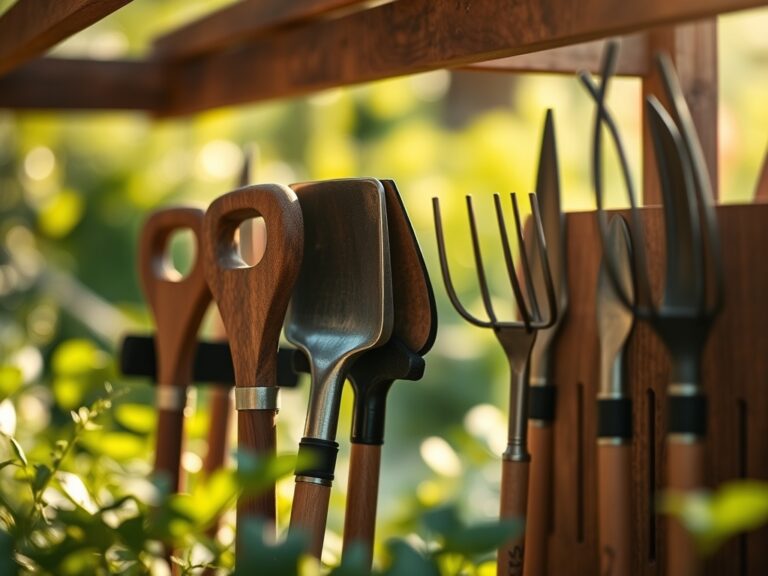
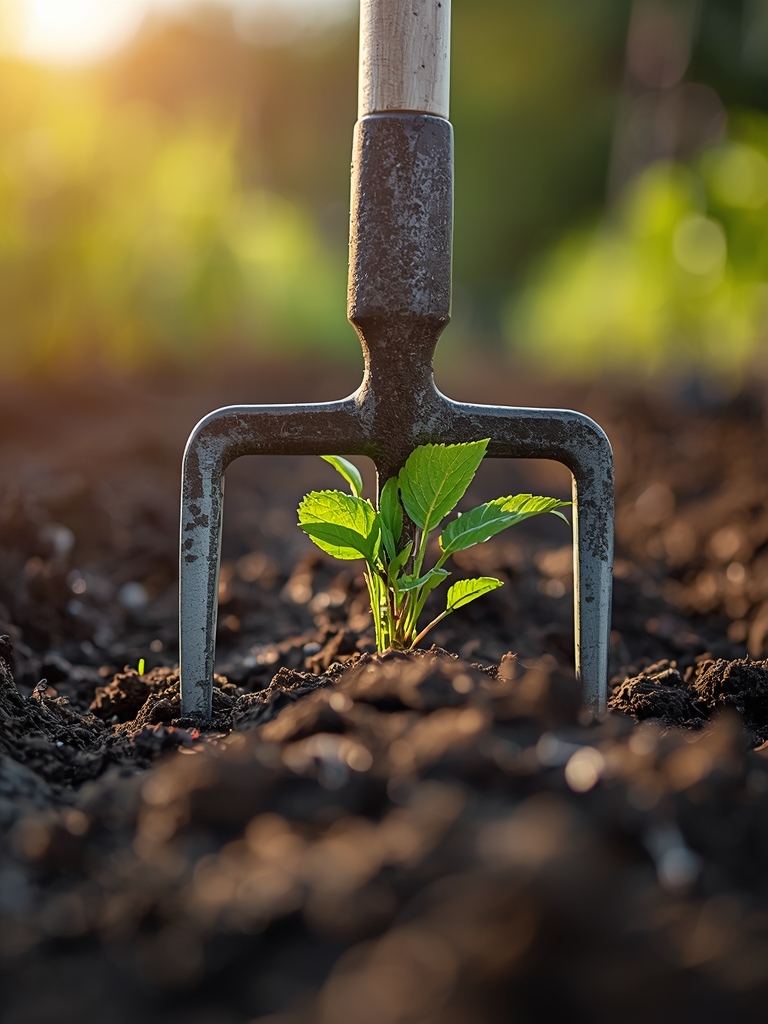
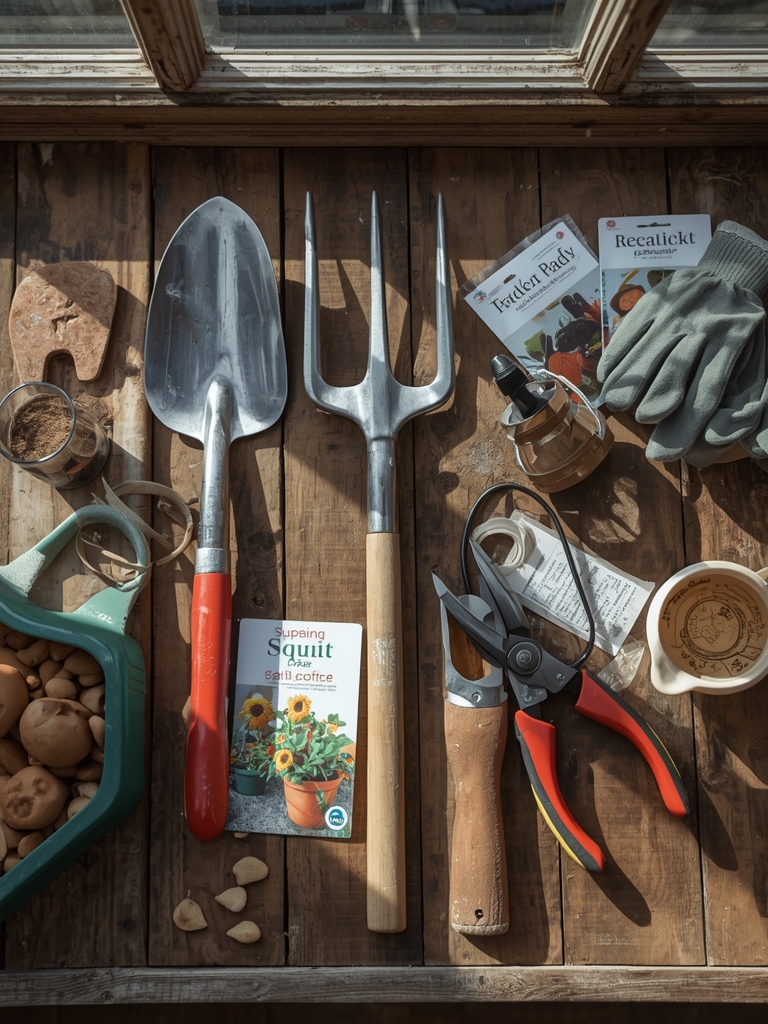
The Tool: A quality broadfork with 4-6 steel tines, each 10 to 14 inches long. D-handles are easier on your wrists than straight bars.
-
Soil Assessment: A basic soil probe or a long-bladed screwdriver. A simple pH test kit.
-
Soil & Amendments: Based on your soil test results: coarse builder's sand (for heavy clay), compost that smells like a forest floor, or well-aged manure.
-
Protection: A sturdy pair of boots with a defined heel. Leather-palmed garden gloves.
-
Marking: Wooden stakes and twine to define your work area.
Timing / Growing Schedule
Your soil isn't ready for the broadfork when it's too wet. Grab a handful and squeeze. If it forms a slick, muddy ball that won't crumble, wait. If it's a dry, dusty brick, you should have watered deeply two days prior. The ideal soil moisture is like a wrung-out sponge—it holds its shape lightly but breaks apart with a nudge.
The best times are early spring, before planting warm-season crops, and in the fall after harvest when soil life is still active. In Hardiness Zones 3-8, fall aeration allows winter freeze-thaw cycles to further improve soil structure. In warmer zones (9-11), any cool, moist period in the off-season works.
Step-by-Step Instructions
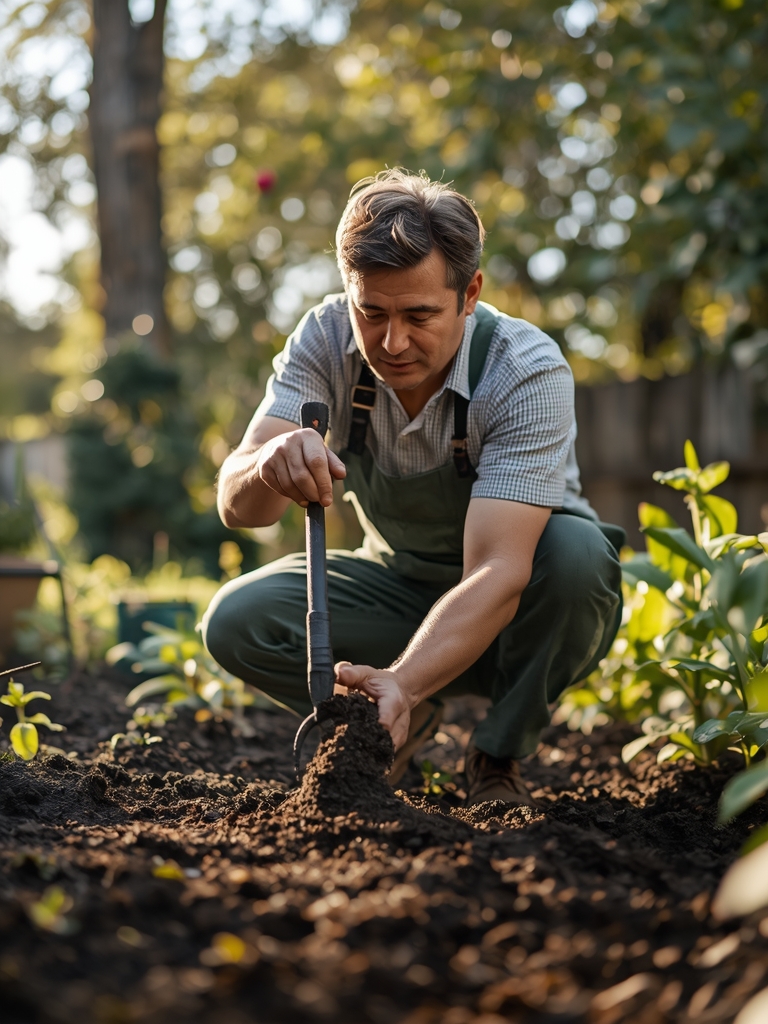
1. Positioning. Stand with your back straight, feet shoulder-width apart behind the tool. Place the tines vertically on the soil at the starting line.
2. The Step. Step onto the crossbar with your full body weight, using your boot's heel for solid contact. Let gravity and your mass—not your back muscles—drive the tines down until the crossbar rests on the soil surface.
3. The Rock. Gently pull the handles back toward you about 30 degrees, just enough to lift and fracture the subsoil. You are creating fissures, not flipping clods. Hold for two seconds.
4. The Release. Step off, pull the tool straight up and out, and move back 8 inches. Insert the tines for your next thrust, using the newly created fissure as a starter crack.
Pro-Tip: Work backwards across your bed. You'll never step on the area you just aerated, re-compacting it. The pattern of your footprints will guide your next pass.
Nutritional & Environmental Benefits
This process doesn't just make digging easier. It rebuilds the soil highway. Those deep fissures allow oxygen to reach root zones, fuelling the aerobic bacteria that make nutrients plant-available. They create pathways for water to infiltrate, ending runoff. Earthworms follow these channels, depositing nutrient-rich castings. Mycorrhizal fungi, those critical root-extending networks, can spread freely. This is the mechanical foundation for nitrogen fixation, carbon sequestration, and a disease-suppressive soil food web.
Advanced Methods & Variations
- Small Spaces: Use a hand-held, two-tine broadfork or a sturdy garden fork. Focus on the planting holes for tomatoes or squash, not the entire bed.
- Organic Systems: Immediately after aerating, top-dress with a 2-inch layer of compost. Let the rain and soil life gently wash it into the new pores.
- Season Extension: In fall, aerate and sow a dense cover crop of winter rye and hairy vetch. The broadfork's channels give those roots a head start for deep nutrient scavenging.
Troubleshooting: Common Mistakes
- Symptom: The tines only go in 3 inches and bend.
Solution: Your soil is too dry or compacted. Soak the area with 1 inch of water, wait 48 hours, and try again. - Symptom: A sticky, gummy mess clogs the tines.
Solution: You’re working too wet. Wait for the soil to dry to that "wrung-out sponge" stage. - Symptom: You feel a sharp pain in your lower back.
Solution: You're pulling with your arms and back. Reset your form: use your body weight to step down, use your legs to rock back. - Symptom: Large, weedy clods are brought to the surface.
Solution: You rocked the handles too far. You're tilling. A gentle, slight rock is all that's needed.
Storage & Ongoing Maintenance
After use, knock off any soil and wipe the tines with an oily rag to prevent rust. Store hanging or dry. Aerated soil needs protection. Maintain a permanent mulch layer of straw or shredded leaves to prevent re-compaction from rain. Water deeply and infrequently—about 1 inch per week—to encourage roots to follow those channels down. You should only need to broadfork a given bed once per season, perhaps even just once every other year in an established no-till system.
Conclusion
Success comes from letting the tool do the work; step, rock, release. You are a catalyst, not a laborer. This single act of strategic fracture unlocks your soil's native potential for growth. Now, go feel that difference: grab a handful of soil from an aerated bed and smell it. That’s the scent of a functioning ecosystem. Share what you grow from it in the comments below.
Expert FAQs
What is the difference between a broadfork and a tiller?
A tiller chops and inverts the entire soil profile, destroying structure and fungal networks. A broadfork creates vertical fissures for air and water while leaving soil horizons intact.
Can I use a broadfork on clay soil?
Yes, it's essential. Do it when the clay is at optimal moisture (not sticky). The fissures allow organic matter and roots to penetrate, gradually building structure.
How deep should the tines go?
Full depth, until the crossbar touches the ground. For most tools, this is 10-14 inches. This reaches the "plow pan" layer of compaction and breaks it up.
Do I need to add compost after aerating?
It is highly recommended. A 1-2 inch topdressing of finished compost will be washed into the new pores by irrigation, feeding soil life immediately.
Will a broadfork kill weeds?
It will not. It may even bring some weed seeds to the surface. This is a soil preparation tool, not a weeder. Smother weeds with cardboard and mulch before you aerate.