6 Steps to Install a Leak-Proof Pond Liner
The first shovel of earth breaks the silence, and beneath your boots, the soil gives way to clay, gravel, and the promise of water held in place. Steps for installing a garden pond liner begin with understanding that every cubic yard of excavated earth must later support a membrane under 62.4 pounds per cubic foot of hydrostatic pressure. The liner itself becomes a root barrier, a bacteriological frontier, and the difference between a self-sustaining aquatic ecosystem and a muddy depression that drains into your neighbor's foundation. Proper installation prevents not only leaks but also anaerobic pockets where hydrogen sulfide and methane accumulate, poisoning fish and collapsing marginal plant roots.
Materials
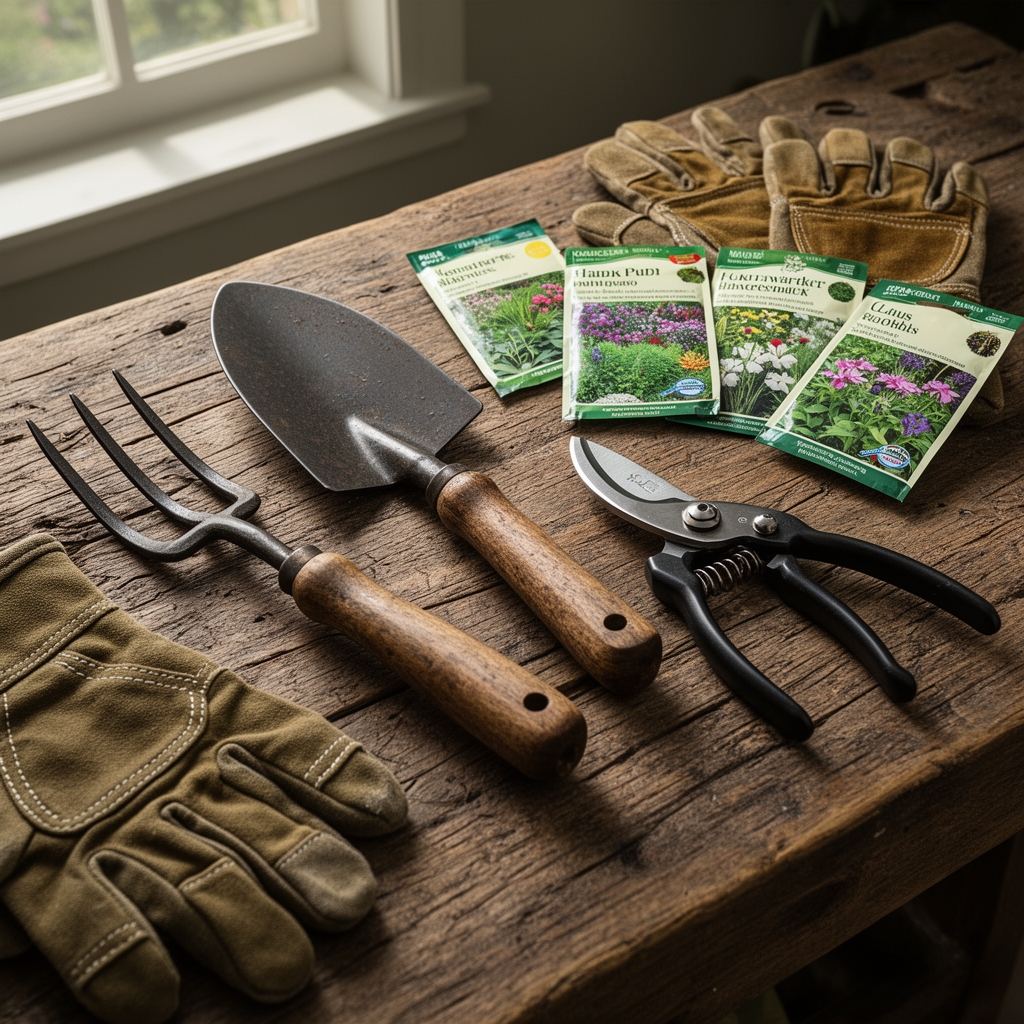
Select EPDM rubber (ethylene propylene diene monomer) at 45-mil thickness for ponds under 500 gallons, or upgrade to reinforced polyethylene (RPE) with a breaking strength of 60 pounds per inch for larger installations. Avoid PVC liners in zones with summer soil temperatures exceeding 95°F; plasticizers leach and the material becomes brittle within three seasons. Underlayment requires either geotextile fabric rated at 8 ounces per square yard or a two-inch sand bed screened to remove particles larger than 0.25 inches. Sharp gravel punctures membranes; the cation exchange capacity of bentonite clay can seal micro-tears but will not compensate for root penetration from nearby willows or cottonwoods with aggressive lateral spread.
For marginal plantings, prepare a 4-4-4 organic meal (feather meal, bone meal, kelp) at two pounds per ten square feet of shelf area. Avoid high-nitrogen synthetic blends; they accelerate algal blooms and disrupt auxin distribution in submerged stems. Stock calcium carbonate (agricultural lime) at five pounds per 100 gallons to buffer pH between 7.0 and 8.2, the range where nitrifying bacteria (Nitrosomonas, Nitrobacter) convert ammonia to nitrate efficiently. Include mycorrhizal fungi inoculant for any terrestrial riparian species planted within three feet of the waterline; the hyphal networks stabilize soil and reduce sediment migration.
Timing
Install liners in USDA Hardiness Zones 4 through 9 between last spring frost and mid-June, when soil temperatures at six inches reach 55°F. This window allows marginal plants to root before summer heat stresses root initiation. In Zones 10 and 11, schedule installation from October through February to avoid thermal expansion of the liner material, which can create wrinkles that trap debris and compromise seal integrity. Frozen ground in Zones 3 and colder requires spring-only installation; autumn work risks frost heave lifting the liner and shearing bonded seams.
Phases

Excavation Phase: Dig to final depth plus four inches to accommodate underlayment. Remove all roots larger than 0.5 inches in diameter; decomposing wood creates voids and methane pockets. Slope sidewalls at a 20-degree angle to prevent collapse and provide planting shelves at 12-inch depth intervals. Compact the floor with a tamper to 90 percent density; loose soil settles unevenly and stresses the liner.
Pro-Tip: Apply a one-inch layer of sifted compost over compacted soil, then inoculate with endo-mycorrhizal spores at 0.25 ounces per square yard. The fungal network will colonize marginal plant roots within 14 days, improving phosphorus uptake by 40 percent.
Underlayment and Liner Placement: Roll geotextile fabric from the center outward, overlapping seams by six inches. Position the liner with at least 12 inches of overlap beyond the pond's final perimeter. Avoid dragging; lift and reposition to prevent abrasion. Fill the pond slowly, allowing the liner to conform to contours under water weight. Smooth wrinkles from the center toward edges as water rises. Trim excess material to eight inches beyond the waterline once filled.
Pro-Tip: Anchor the perimeter with flat stones (flagstone, slate) weighing at least 25 pounds each, placed every 18 inches. Backfill behind stones with native soil mixed 1:1 with coarse sand to improve drainage and prevent frost heave from lifting coping.
Establishment Phase: Cycle the pond for seven days before introducing plants or fish. Run a submersible pump at 500 gallons per hour to circulate and off-gas chlorine. Add dechlorinator (sodium thiosulfate) at one teaspoon per 50 gallons if municipal water contains chloramine. Introduce floating plants (water lettuce, water hyacinth) at 30 percent surface coverage to compete with algae for dissolved nutrients. Plant marginal species (pickerel rush, iris versicolor) in five-gallon fabric pots filled with 60 percent clay loam and 40 percent pea gravel; the weight prevents flotation.
Pro-Tip: Prune marginal plant roots at a 45-degree angle before planting. This technique stimulates lateral root proliferation and increases anchorage strength by 25 percent within four weeks.
Troubleshooting
Symptom: Liner billowing or floating sections.
Solution: Drain to 50 percent capacity. Anchor billows with smooth river stones (three to five pounds) placed directly on the liner. Refill slowly to redistribute hydrostatic pressure.
Symptom: Algae blooms within two weeks of installation.
Solution: Excess phosphorus from runoff or tap water. Add barley straw at one ounce per ten square feet; decomposition releases phenolic compounds that inhibit cyanobacteria. Test water; if phosphate exceeds 0.05 ppm, install a biofilter with lava rock media.
Symptom: Marginal plants yellowing from base upward.
Solution: Anaerobic root zone. Elevate pots one inch using bricks to improve oxygenation. Apply chelated iron (Fe-EDTA) at 0.25 teaspoons per gallon as a foliar spray.
Symptom: Liner puncture with visible water loss.
Solution: Drain to expose the damaged area. Clean with isopropyl alcohol. Apply EPDM patch kit with contact adhesive; press firmly for 60 seconds. Cure for 24 hours before refilling.
Maintenance
Inspect the liner every April and September for punctures, wrinkles, or UV degradation along exposed edges. Top off water weekly during summer to replace evaporation losses averaging 0.25 inches per day in full sun. Remove fallen leaves within 48 hours to prevent tannin leaching, which lowers pH below 6.5 and stresses fish. Trim marginal plants to four inches above the waterline in late October; decomposing foliage consumes dissolved oxygen during winter. Add one inch of water per week if rainfall is less than 0.5 inches; consistent depth prevents liner stress from repeated expansion and contraction.
Test pH, ammonia, and nitrate monthly using a liquid test kit. Maintain ammonia below 0.5 ppm and nitrate below 40 ppm through partial water changes of 10 percent weekly. Scrub algae from the liner's surface with a soft brush every two weeks; avoid abrasive pads that scratch and create nucleation sites for future growth. Fertilize marginal plants once in May with 4-4-4 organic meal pressed into root zone soil at one tablespoon per gallon pot size.
FAQ
How thick should sand underlayment be for EPDM liners?
Two inches minimum, screened to 0.25 inches. Coarser sand provides drainage; finer grades compact into a puncture-resistant bed.
Can tree roots puncture a 45-mil liner?
Yes. Willows, poplars, and maples develop roots capable of penetrating rubber within three years. Install liners at least 15 feet from mature trees or use 60-mil RPE with root barrier fabric.
What pH range supports both fish and plants?
7.0 to 8.2. Below 6.5, nitrifying bacteria slow; above 8.5, ammonia toxicity increases and iron becomes unavailable to plants.
How often should I replace pond liner?
EPDM lasts 20 to 30 years with UV-protected edges. RPE lasts 40 years. Inspect annually; replace when flexibility decreases or cracks appear.
Do I need a pump for a planted pond?
Not required for ponds under 200 gallons with 50 percent plant coverage. Larger systems benefit from 300 gallons-per-hour circulation to prevent stratification and anaerobic zones.