9 Trellis Steps to Install a Runner Bean Arch
Runner beans spiral skyward at a rate of 2 to 3 inches per day in peak season, and a properly engineered arch transforms that vertical energy into a living tunnel. Following precise steps for installing a vegetable garden arch ensures structural integrity through 150 days of wind load, pod weight, and lateral canopy spread. This nine-step framework addresses soil amendments, anchorage depth, and mycorrhizal colonization thresholds necessary for Phaseolus coccineus cultivation.
Materials
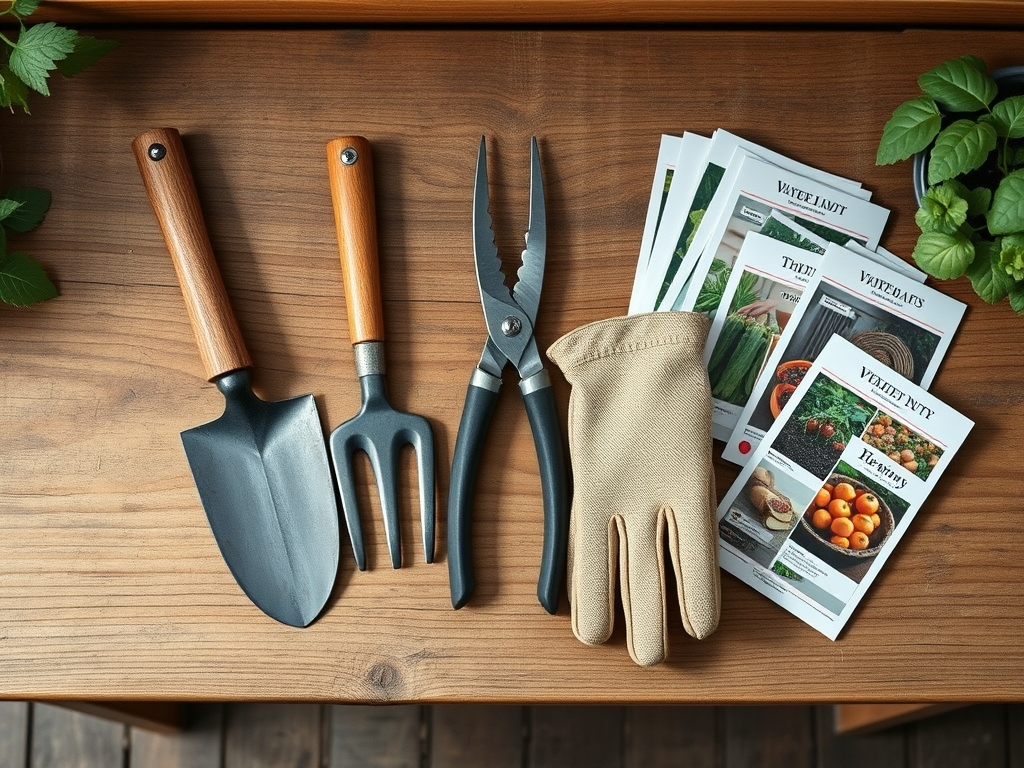
Select 1-inch diameter bamboo poles, 8 to 10 feet in length, or galvanized steel tubing with a 0.065-inch wall thickness. For soil conditioning, apply a 4-4-4 organic meal (derived from feather meal, bone meal, and kelp) at 2 pounds per 10 square feet two weeks before installation. This ratio supports steady nitrogen release without excess vegetative growth that compromises flowering. Incorporate composted pine bark fines to lower pH from 7.2 to 6.5, the optimal range for phosphorus and iron uptake in legumes. Include jute twine rated to 40 pounds tensile strength for lateral binding, and landscape staples forged from 11-gauge wire. Source rhizobium inoculant labeled for Phaseolus species to colonize root nodules and fix atmospheric nitrogen at 80 to 100 pounds per acre equivalent.
Timing
Install the arch structure in USDA Hardiness Zones 3 through 9 between two weeks before the last spring frost and one week after, when soil temperature stabilizes at 50 degrees Fahrenheit. In Zone 6, this window falls between April 15 and May 10. In Zone 9, advance the schedule to late February or early March. Runner beans tolerate light frost at the seedling stage but abort flowers below 55 degrees Fahrenheit nighttime temperatures. For fall crops in Zones 8 and 9, install arches by August 1 to allow 90 days of maturation before first frost.
Phases

Sowing: Direct-sow seeds 1.5 inches deep and 6 inches apart along both base lines of the arch footprint. Pre-soak seeds in water inoculated with Rhizobium leguminosarum for 4 hours to enhance nitrogen-fixing bacteria colonization. Germination occurs in 7 to 10 days at 60 to 70 degrees Fahrenheit. Apply a starter solution of 1-2-1 liquid fertilizer diluted to half strength at emergence to accelerate root hair development and cation exchange capacity.
Pro-Tip: Dust seeds with endomycorrhizal fungi (Glomus intraradices) at 0.25 ounces per pound of seed to extend phosphorus foraging by 400 percent.
Transplanting: If starting indoors, transplant at the two-true-leaf stage, handling only by cotyledons to avoid auxin distribution disruption in the hypocotyl. Space transplants 6 inches apart, setting the root ball 0.5 inches deeper than nursery depth to encourage adventitious root formation. Water with 0.5 gallons per plant immediately after placement to eliminate air pockets and establish hydraulic continuity with subsoil moisture.
Pro-Tip: Prune the apical meristem at 18 inches height to trigger lateral shoot proliferation, increasing flower node density by 30 percent.
Establishing: Guide the first tendril onto the arch pole within 10 days of emergence. Runner beans exhibit right-handed helical growth driven by differential auxin concentrations on the shaded stem side. Secure the main stem with a loose figure-eight tie using soft jute to prevent girdling as diameter expansion reaches 0.75 inches. Once vines reach the arch apex, redirect lateral shoots horizontally along cross-ties to distribute pod load evenly.
Pro-Tip: Foliar-spray with 0.1-percent boron solution at first flower to prevent blossom-end necrosis caused by calcium transport interruption.
Troubleshooting
Symptom: Interveinal chlorosis on lower leaves, progressing upward.
Solution: Magnesium deficiency. Drench soil with 1 tablespoon Epsom salt dissolved in 1 gallon water per plant. Adjust soil pH to 6.0 to improve magnesium availability.
Symptom: Black, water-soaked lesions on pods and stems.
Solution: Anthracnose (Colletotrichum lindemuthianum). Remove infected tissue. Apply copper hydroxide at 1.5 pounds per 100 gallons as a protective spray every 7 days during wet periods.
Symptom: Wilting despite adequate soil moisture, vascular browning visible in cross-section.
Solution: Fusarium wilt. Remove and destroy affected plants. Solarize soil for 6 weeks under clear polyethylene to elevate soil temperature to 120 degrees Fahrenheit, eliminating propagules.
Symptom: Pods fail to develop past 1 inch despite heavy flowering.
Solution: Inadequate pollination. Introduce Bombus species colonies or hand-pollinate with a soft brush during peak bloom.
Maintenance
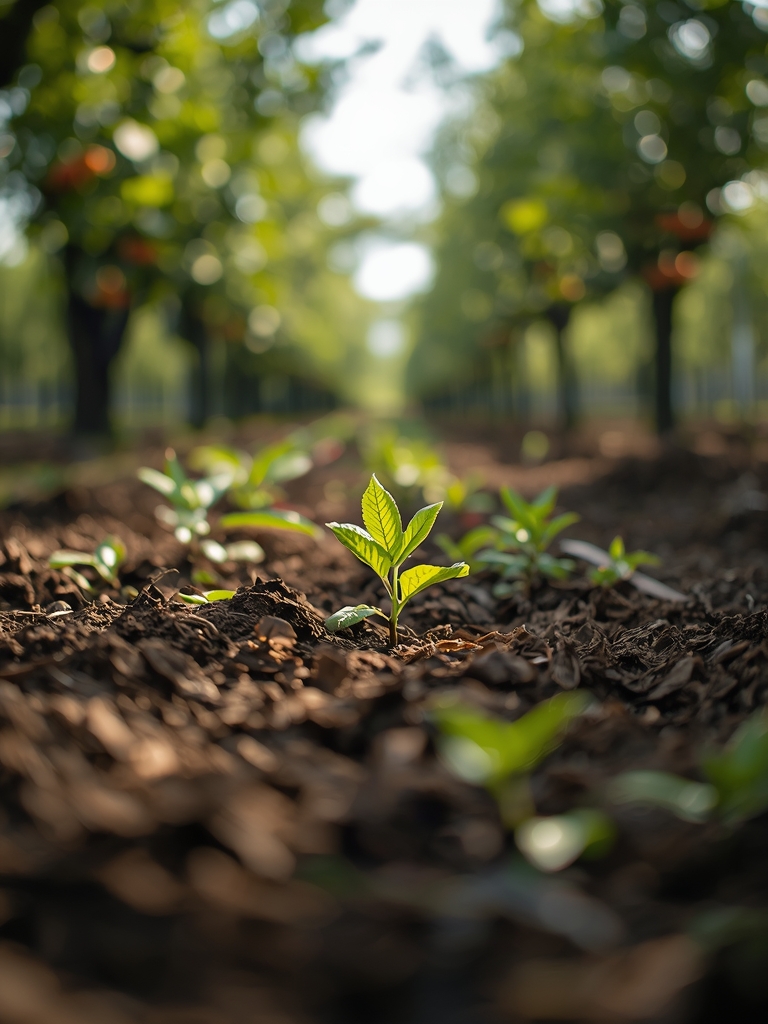
Apply 1 inch of water per week through drip irrigation or soaker hose, delivered in two 0.5-inch sessions to promote deep rooting to 24 inches. Mulch with 2 inches of shredded hardwood bark to buffer soil temperature and suppress Chenopodium and Amaranthus weed species. Side-dress with a 2-8-4 organic blend at first flower set, broadcasting 1 cup per 4 feet of row to support pod fill. Monitor for Tetranychus urticae (spider mites) weekly. Populations exceeding 5 per leaf require mitigation with insecticidal soap at 2 percent concentration.
FAQ
When do runner beans begin flowering?
First blooms appear 50 to 60 days after sowing when day length exceeds 14 hours and night temperatures remain above 55 degrees Fahrenheit.
How much weight can a bean arch support?
A properly anchored arch with 1-inch poles sustains 40 to 60 pounds of mature vine and pod mass per linear foot.
Do runner beans require cross-pollination?
Yes. Phaseolus coccineus is primarily insect-pollinated. Lack of pollinators reduces pod set by 70 percent.
What is the optimal harvest window?
Pick pods at 6 to 8 inches length, before seeds bulge visibly. Daily harvest triggers continued flower production.
Can arches be reused annually?
Bamboo arches last 2 to 3 seasons. Galvanized steel endures 10-plus years with winter storage to prevent frost heave damage.