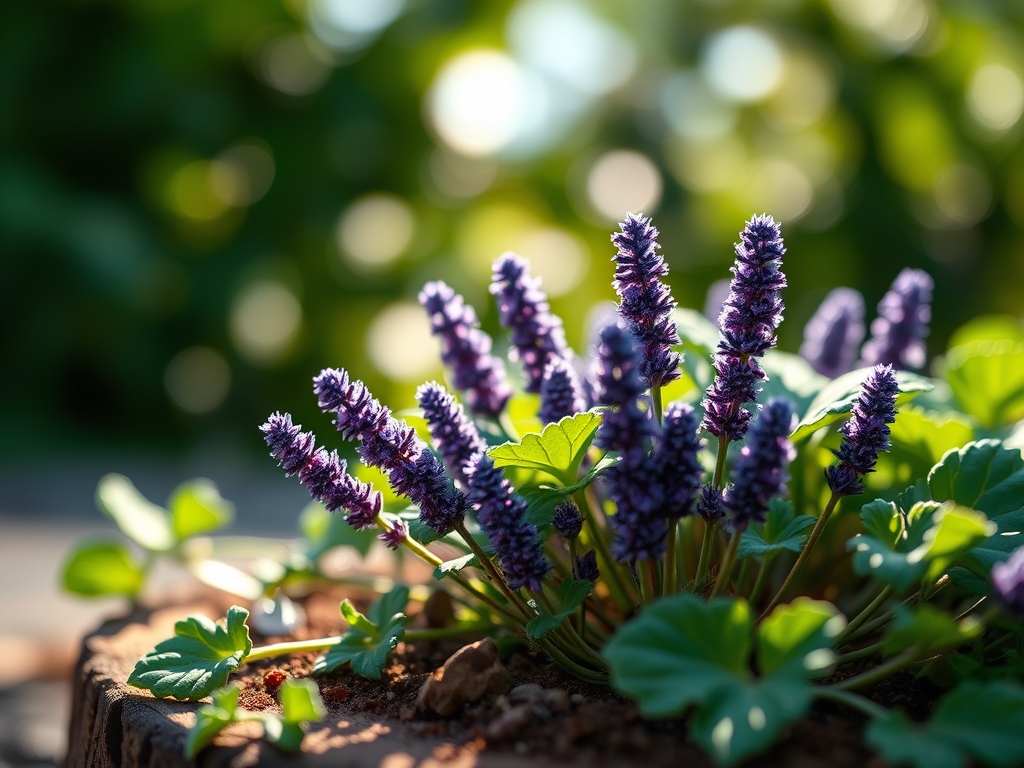
9 Constant Bloom Benefits of African Violet Fertilizer
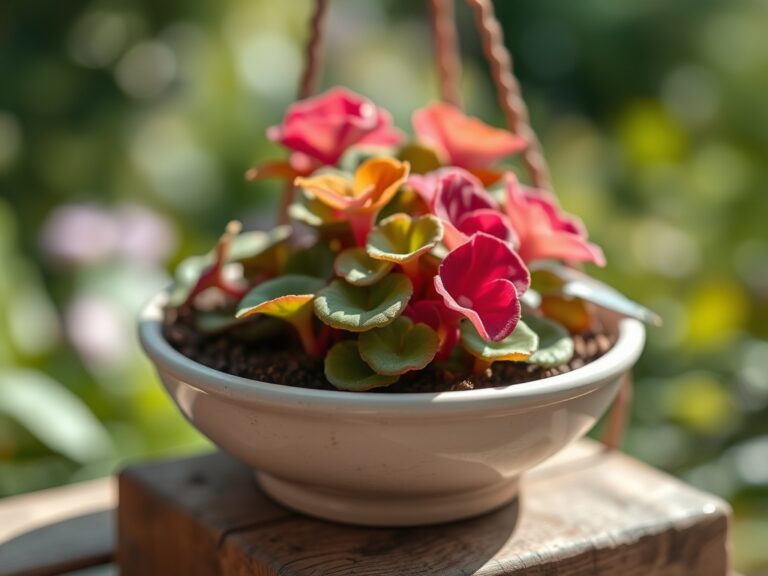
The smell of damp peat and the crisp snap of a leaf under turgor pressure define the workspace of a serious indoor horticulturalist. Saintpaulia ionantha, the African violet, operates on a tight metabolic margin where the difference between a stagnant rosette and a constant flush of blooms depends entirely on soil chemistry. Using a specialized violet fertilizer ensures the rhizosphere maintains the precise osmotic potential required for nutrient uptake without scorching delicate fibrous roots. These plants do not thrive on generic blends. They require a specific urea-free nitrogen source to prevent root rot and ammonium toxicity. A healthy specimen displays deep forest-green foliage with a velvet texture; a tactile indicator that the plant is sequestering enough phosphorus to fuel its reproductive cycle. Maintaining this state requires a disciplined approach to soil salinity and mineral ratios. When the balance is correct, the plant exhibits high cellular turgor, meaning the leaves feel rigid and resist bending. This rigidity is the first sign that the vascular system is functioning at peak efficiency, transporting dissolved minerals from the growing medium to the apical meristem for flower production.
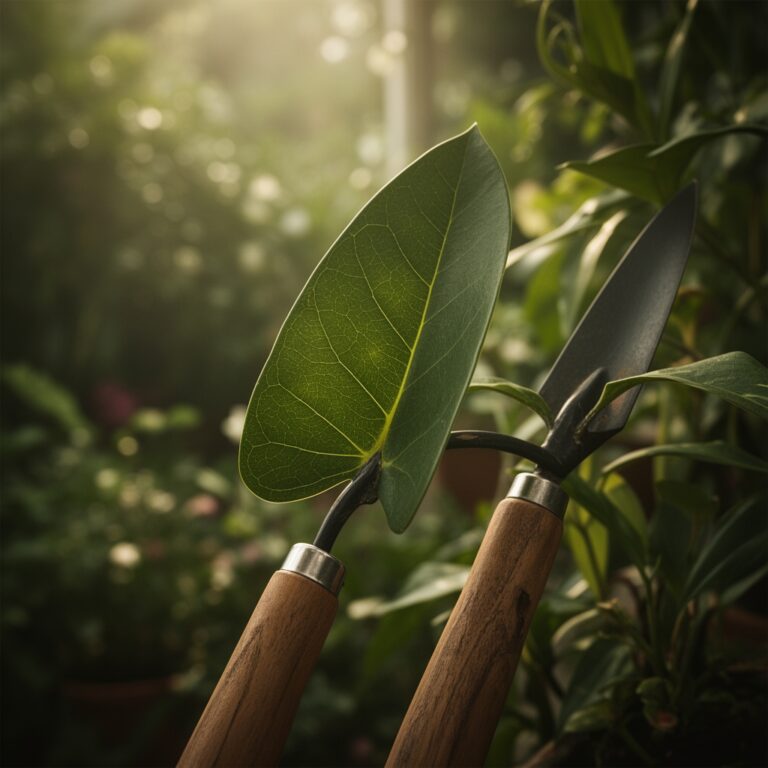
Materials:

The substrate must be a friable loam with high porosity to facilitate gas exchange. Aim for a soil pH between **5.8 and 6.2**; anything higher than 6.5 locks out essential micronutrients like iron and manganese. Using a specialized violet fertilizer typically involves an NPK ratio of **7-7-7, 12-36-14, or 20-20-20**, provided the nitrogen is derived from nitrate or organic sources rather than urea. African violets lack the urease enzymes necessary to break down urea efficiently in a pot environment. The Cation Exchange Capacity (CEC) of your mix should be bolstered by professional-grade peat moss and perlite in a **1:1:1 ratio** with vermiculite. This ensures the medium can hold onto positively charged ions like Potassium (K+) and Magnesium (Mg2+) while allowing excess salts to leach out during bottom-watering cycles.
Timing:
African violets are typically grown in climate-controlled environments, but they remain sensitive to the photoperiod and ambient temperatures found in Hardiness Zones 10 through 12. The biological clock of the plant transitions from vegetative growth to its reproductive stage when it receives 12 to 14 hours of bright, indirect light. Avoid placing plants near windows during frost-date windows in northern climates, as leaf temperature drops below 60 degrees Fahrenheit can trigger physiological dormancy. The ideal window for aggressive fertilization begins when the plant has established a minimum of three distinct leaf tiers. At this stage, the metabolic demand for phosphorus increases to support the development of peduncles. Monitoring the transition from vegetative to reproductive stages is critical; once the first flower bud is visible, the plant enters a high-burn phase where nutrient consistency determines the longevity of the bloom cycle.
Phases:

Sowing and Propagation
Propagation via leaf cuttings requires a sterile, low-nutrient medium. Dip the petiole in a rooting hormone and insert it at a 45-degree angle into the substrate. Maintain a constant humidity of 70 percent to prevent desiccation before the callus forms.
Pro-Tip: Auxin suppression is key here. By removing the mother leaf once the plantlets reach 0.5 inches, you remove the source of apical dominance, allowing the small crowns to develop their own independent vascular systems.
Transplanting
Move plantlets into 2.5-inch pots once they possess four true leaves. Ensure the crown sits exactly at the soil line. If buried too deep, the crown will succumb to pythium rot; if too high, the roots will suffer from air-exposure desiccation.
Pro-Tip: This phase relies on mycorrhizal symbiosis. Introducing beneficial fungi to the rhizosphere during transplanting increases the surface area for water absorption by up to 100 times, shielding the plant from transplant shock.
Establishing the Bloom Cycle
Once the root ball fills the container, switch to a "constant feed" method. Dilute your specialized fertilizer to one-quarter strength and apply with every watering. This prevents the "boom and bust" nutrient spikes that cause brittle foliage.
Pro-Tip: Phototropism management is essential. Rotate the pot 90 degrees every week to ensure even distribution of gibberellins, the hormones responsible for cell elongation, resulting in a perfectly symmetrical rosette.
The Clinic:
Symptom: Interveinal Chlorosis
Solution: This is often a sign of Magnesium deficiency. The leaves turn yellow between the veins while the veins remain green.
Fix-It: Apply a solution of one teaspoon of Epsom salts per gallon of water once a month. This restores the central atom of the chlorophyll molecule, allowing the plant to resume photosynthesis at full capacity.
Symptom: Tight, Brittle Center Growth
Solution: This indicates a toxic accumulation of fertilizer salts or a Boron deficiency.
Fix-It: Flush the substrate with half a gallon of distilled water to leach out excess minerals. Ensure your specialized fertilizer includes trace amounts of Boron at levels around 0.02 percent.
Symptom: Petiole Rot (Efflorescence Crust)
Solution: Orange or white crust on the pot rim indicates salt buildup which chemically burns the stems.
Fix-It: Wipe the rim with a damp cloth and cover it with a thin layer of paraffin wax or aluminum foil to create a physical barrier between the petiole and the salt-laden ceramic.
Maintenance:
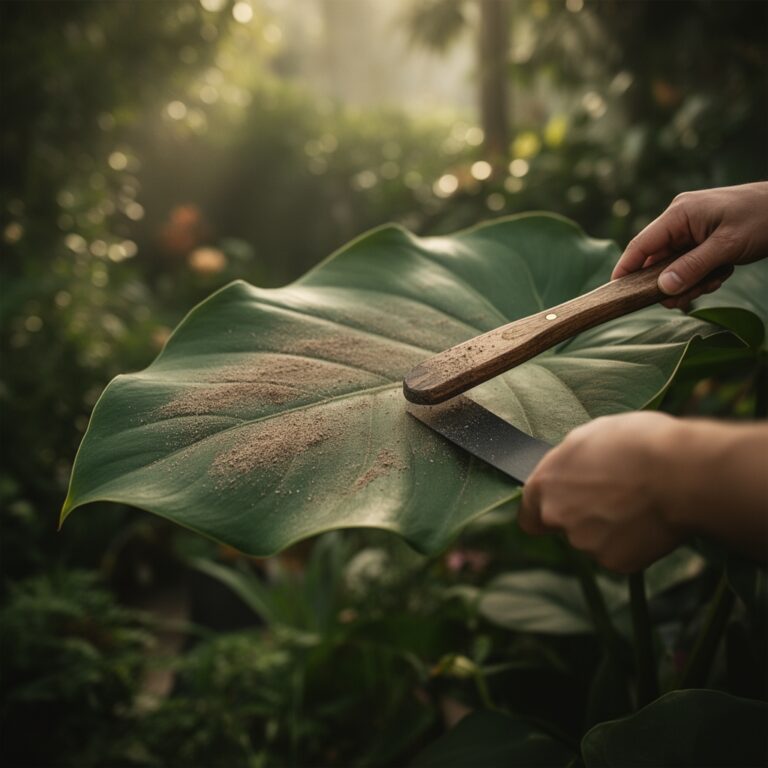
Precision is the hallmark of a master gardener. Use a soil moisture meter to ensure the substrate never drops below 30 percent moisture content. Provide exactly 1 cup of room-temperature water (approximately 68-72 degrees Fahrenheit) via the bottom-watering method to avoid spotting the foliage. For grooming, use a hori-hori knife or sharp bypass pruners to remove spent blooms at the base of the peduncle. This prevents the plant from wasting energy on seed production, a process known as senescence. Maintain air circulation with a small fan to prevent Botrytis, but ensure the airflow is not directed at the plant to avoid increasing the transpiration rate beyond what the roots can support. Clean the leaves once a month using a soft camel-hair brush to remove dust that blocks the stomata.
The Yield:
While African violets are ornamental, the "yield" is measured in bloom count and flower size. Harvest spent blossoms immediately to stimulate the production of new buds. If you are showing the plant, the goal is a "head" of flowers that obscures the center of the rosette. To maintain day-one freshness during a show or as a centerpiece, keep the plant in a cool location with a temperature of 65 degrees Fahrenheit at night. This slows down the respiration rate and preserves the anthocyanins responsible for the petal color. If transporting the plant, use a specialized violet support ring to prevent the lower leaves from snapping under their own weight.
FAQ:
How often should I use specialized fertilizer?
Apply a one-quarter strength dilution every time you water. This "constant feed" method maintains steady nutrient levels in the rhizosphere, preventing the osmotic shock associated with full-strength monthly feedings.
Why are my violet leaves turning yellow?
Yellowing, or chlorosis, typically indicates a Nitrogen deficiency or a pH imbalance. If the pH is above 7.0, the plant cannot uptake iron. Test your soil pH and adjust to 5.8-6.2.
Can I use standard 10-10-10 fertilizer?
Standard fertilizers often contain urea, which can cause root burn in African violets. Always select a specialized formula where nitrogen is derived from ammonium nitrate or calcium nitrate for safe, efficient absorption.
What is the best way to water when fertilizing?
Use the bottom-watering method. Place the pot in a saucer of fertilized water for 20 minutes, then discard the excess. This prevents crown rot and ensures the fertilizer reaches the root zone via capillary action.