9 Best Unique Stones for Artistic Landscaping
Damp earth releases a sharp, geosmin-heavy scent as the spade cuts through the horizon; this is the physical reality of a site transition. Successful garden architecture relies on the structural integrity of the best stones for artistic landscaping to provide the thermal mass and drainage necessary for high-functioning plant communities. The turgor pressure of a healthy leaf depends on the stability of the root zone, which is often dictated by the mineral leaching and heat retention of the surrounding rock. Selecting the right geological material is not merely an aesthetic choice; it is a fundamental engineering decision that affects the rhizosphere. Whether you are managing a high-drainage rockery or a moisture-retentive woodland border, the mineral composition of your stone influences the soil chemistry and the local microclimate. A granite boulder acts as a thermal battery, absorbing solar radiation during the day and releasing it slowly at night to protect sensitive root systems from sudden temperature drops. This guide provides the technical specifications for integrating nine superior stone types into your horticultural landscape.
Materials:
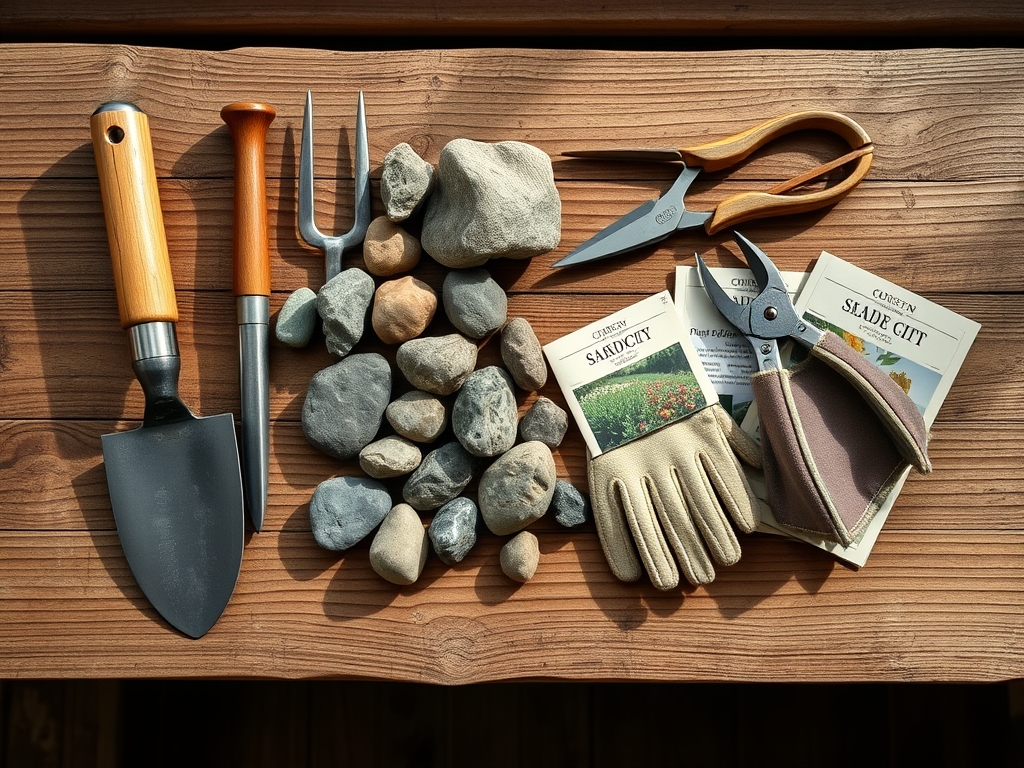
The interaction between stone and soil begins with the Cation Exchange Capacity (CEC). For most artistic installations, a **friable loam** with a **pH of 6.2 to 6.8** is the baseline.
- Basalt: High in iron and magnesium. Ideal for acid-loving plants (Ericaceae family) where soil pH needs to remain below 5.5.
- Limestone: Highly alkaline. It will leach calcium carbonate, raising pH over time. Use with alkaline-tolerant species like Clematis.
- Mexican Beach Pebbles: Inert volcanic rock. These do not alter soil chemistry, making them perfect for sensitive NPK ratios of 5-10-5 in specialty succulent beds.
- Slate: Low porosity. Ideal for moisture-wicking near the crown of plants to prevent fungal pathogens.
- Decomposed Granite (DG): High permeability. Provides the sharp drainage required for Mediterranean herbs.
- Sandstone: High porosity. Retains moisture but can crumble in high-frost cycles.
- Quartzite: Chemically inactive. Best for high-contrast visual lines without affecting nutrient availability.
- River Rock: Smooth texture. Used in bioswales to manage runoff speeds.
- Flagstone: Large surface area. Used to suppress weeds and maintain soil moisture through reduced evaporation.
Timing:
Installation must occur during the dormant season or early spring to avoid soil compaction while plants are in active growth. In Hardiness Zones 4 through 9, the window between the first thaw and the last frost is critical. This period aligns with the biological clock of the garden, specifically the transition from endodormancy to ecodormancy. As soil temperatures reach a consistent 55 degrees Fahrenheit, root respiration increases. Installing heavy stone during this phase requires precision to avoid crushing the delicate root hairs that are beginning to explore the soil matrix. Ensure all heavy masonry is completed at least three weeks before the anticipated bud break to allow the soil structure to settle and the mycorrhizal networks to re-establish.
Phases:
Sowing and Site Preparation
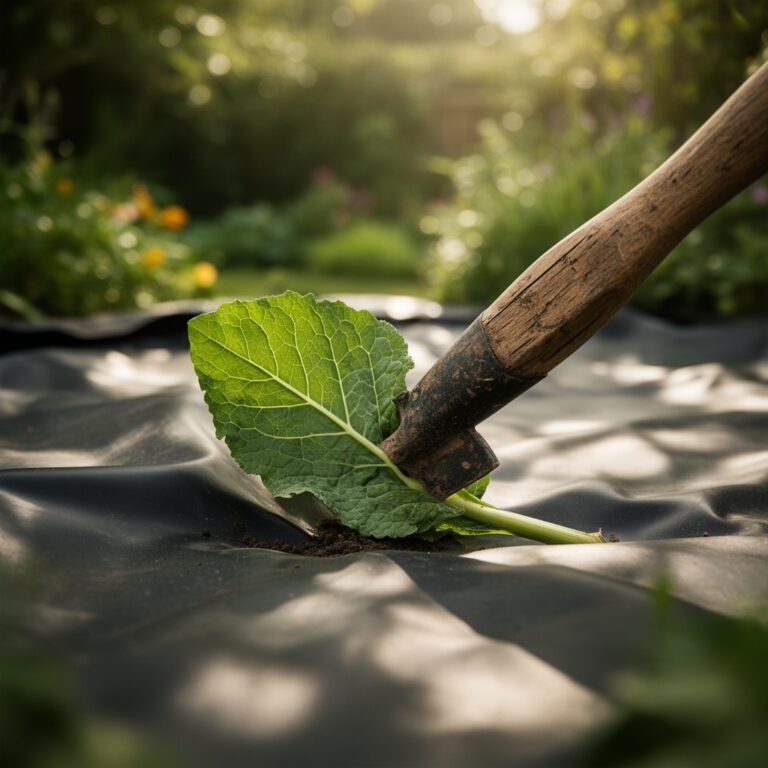
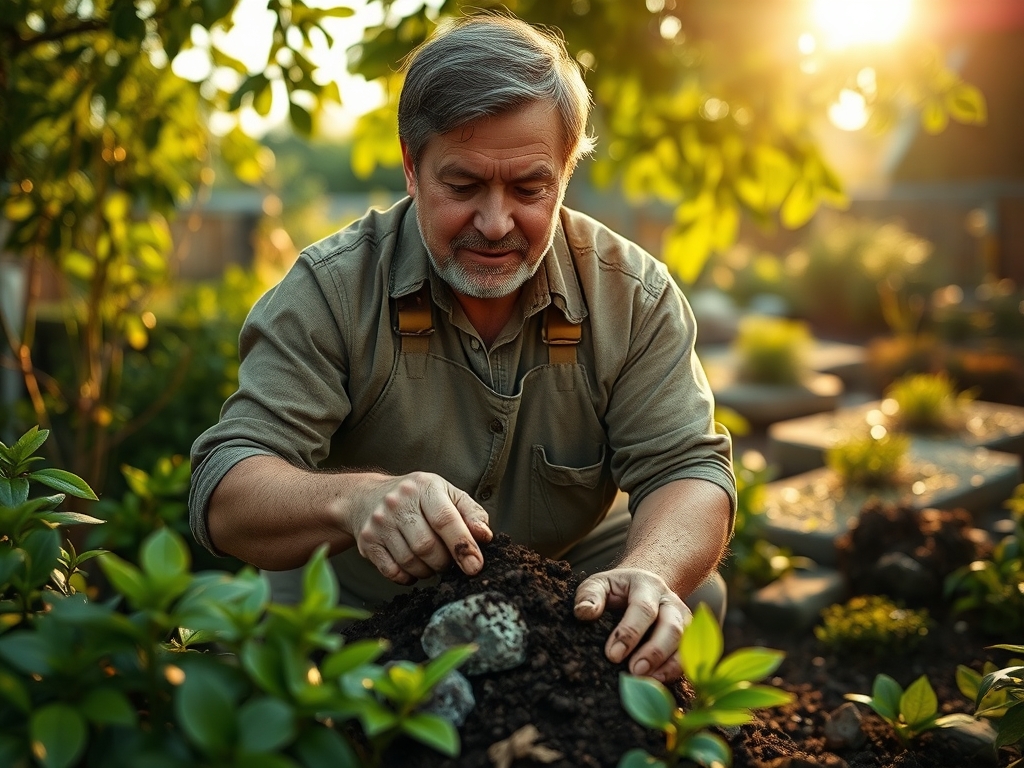
Before placing the best stones for artistic landscaping, clear the area of perennial weeds using a hori-hori knife to extract taproots. Level the subsoil to a 2 percent grade to ensure positive drainage away from plant crowns. If sowing seeds around stones, ensure the seed-to-soil contact is firm.
Pro-Tip: Use stone placement to manipulate phototropism. Placing a light-colored stone on the north side of a seedling reflects supplemental photons back onto the foliage, increasing photosynthetic efficiency during short spring days.
Transplanting
When integrating plants among large boulders, dig a hole twice the width of the root ball. Position the plant so the flare of the root sits 0.5 inches above the surrounding soil grade. This prevents "volcano mulching" effects and ensures gas exchange remains high in the rhizosphere.
Pro-Tip: Position stones to encourage mycorrhizal symbiosis. The underside of a buried stone maintains a consistent moisture level, creating a stable environment for fungal hyphae to colonize and extend the reach of the plant's root system.
Establishing
During the first 14 to 21 days, the plant focuses on hydraulic recovery. The stone mulch serves as a vapor barrier. Monitor the interface between the stone and the soil to ensure it does not become a haven for slugs or anaerobic bacteria.
Pro-Tip: Large stones provide auxin suppression benefits by physically stabilizing the plant against wind. Reduced mechanical stress means the plant allocates less energy to thickening the stem (thigmomorphogenesis) and more to vertical growth and flower production.
The Clinic:
Physiological disorders often arise from the interaction between stone and soil.
Symptom: Interveinal chlorosis (yellowing leaves with green veins) in acid-loving plants.
Solution: This is likely iron deficiency caused by limestone leaching. Test soil pH; if it is above 7.0, top-dress with elemental sulfur.
Fix-It: Apply a chelated iron foliar spray to provide immediate relief while the soil pH is being corrected.
Symptom: Marginal leaf burn or necrosis.
Solution: Heat stress. Dark stones like basalt can reach surface temperatures of 140 degrees Fahrenheit, radiating excess heat.
Fix-It: Increase irrigation frequency or swap dark stones for lighter-colored river rock to increase the albedo effect.
Symptom: Stunted growth and purplish leaves.
Solution: Phosphorus deficiency, often exacerbated by cold soil temperatures near large thermal masses.
Fix-It: Apply a high-phosphorus starter fertilizer (0-20-0) directly into the root zone during the next planting cycle.
Maintenance:
Precision maintenance ensures the longevity of the artistic landscape. Deliver 1.5 inches of water per week at the drip line using a soaker hose buried beneath the stone layer. Use a soil moisture meter to verify that the moisture has penetrated 6 inches deep.
Pruning should be performed with sharp bypass pruners to ensure clean cuts that callouse quickly. Remove any organic debris that accumulates between stones; as this material decomposes, it can create a perched water table that leads to root rot. Every three years, use a hori-hori knife to check for root girdling near stone edges. If roots are circling, prune them to encourage outward lateral growth into the native soil.
The Yield:
For landscapes featuring ornamental flowers or herbs, harvest during the "cool of the day," typically between 6:00 AM and 8:00 AM, when plant turgor is at its peak. Use sterilized snips to cut stems at a 45-degree angle. For woody herbs like rosemary or lavender grown in stone-heavy Mediterranean beds, never remove more than one-third of the vegetative growth at once to prevent senescence. Immediately plunge harvested stems into 40-degree Fahrenheit water to maintain "day-one" freshness and slow the metabolic rate.
FAQ:
Which stone is best for drainage?
Decomposed granite is superior for drainage. Its angular particles create large pore spaces, allowing water to move at a rate of several inches per hour, preventing the anaerobic conditions that lead to root rot in succulents and xeric species.
Do stones change soil pH?
Yes. Limestone and marble are calcareous and will gradually raise the soil pH. Conversely, granite and slate are generally pH-neutral. Always match your stone selection to the specific pH requirements of your plant palette to avoid nutrient lockout.
How do I prevent weeds between stones?
Install a heavy-duty geotextile fabric beneath the stone layer. This physical barrier prevents weed seeds in the soil from reaching the surface while allowing gas and water exchange. Maintain a stone depth of at least 3 inches for maximum suppression.
Can stones protect plants from frost?
Large stones with high thermal mass, such as granite or basalt, absorb thermal energy during the day. They radiate this heat at night, often keeping the immediate microclimate 3 to 5 degrees warmer than the surrounding ambient air temperature.