6 Collection Steps to Prepare a Hoya Plant Shelf
Turgor pressure defines the success of a Hoya collection. When you press a thumb against a mature Hoya carnosa leaf, it should resist with a rigid, hydraulic force. This rigidity indicates the xylem is efficiently transporting water from the rhizosphere to the furthest apical meristems. Learning how to prepare a plant shelf for hoyas requires more than aesthetics; it demands an engineering approach to light cycles, humidity gradients, and substrate chemistry.
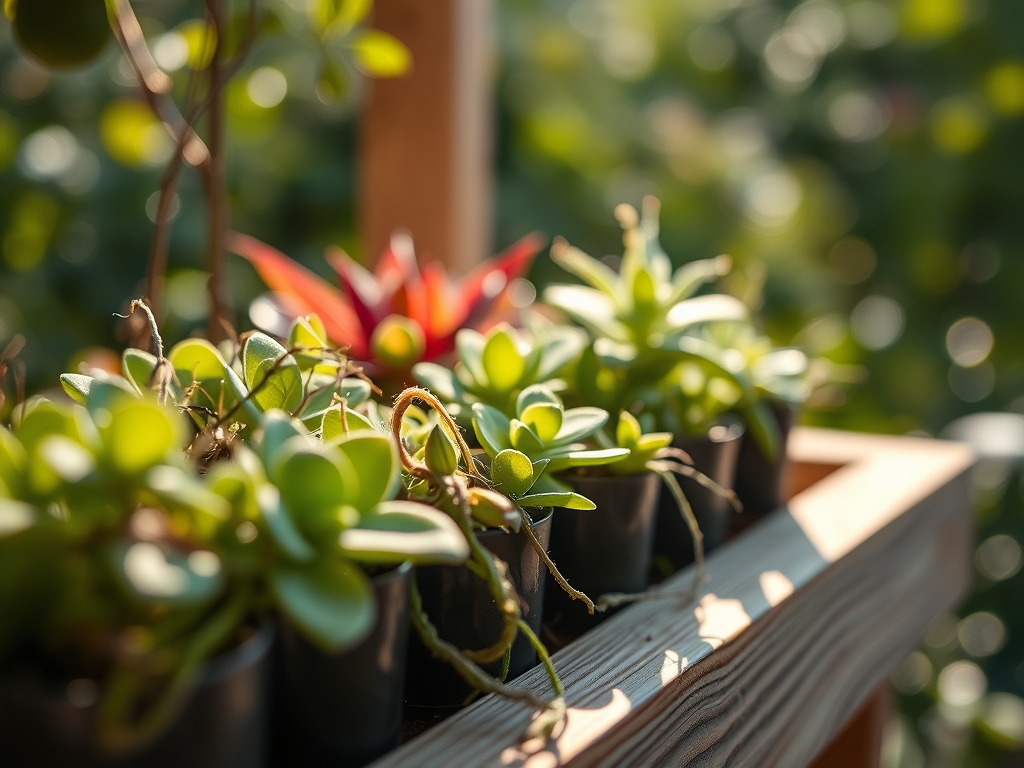
A successful shelf setup mimics the tropical canopy. You are creating a microclimate where the Cation Exchange Capacity (CEC) of the soil interacts with precise atmospheric moisture. Most Hoya species are epiphytic or lithophytic. They do not thrive in heavy, anaerobic garden soils. Instead, they require a medium that facilitates rapid gas exchange at the root zone. Failure to calibrate these environmental variables leads to root senescence and the eventual collapse of the plant vascular system.
Materials:
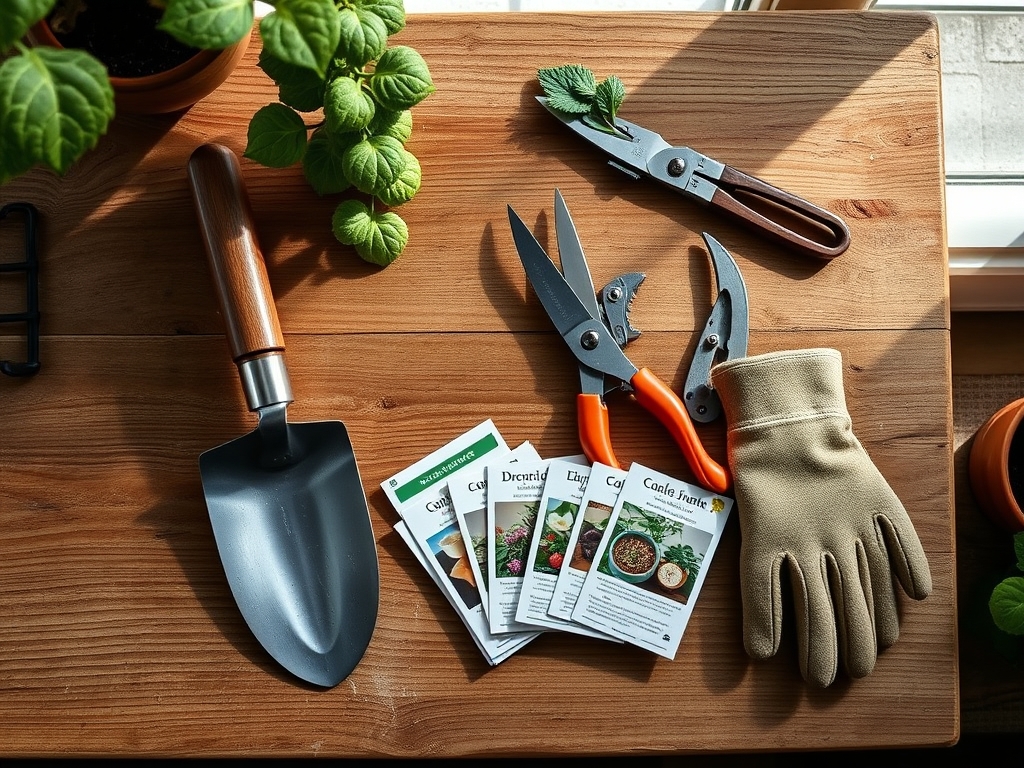
Substrate selection is the foundation of Hoya health. Aim for a **soil pH between 6.0 and 7.0**. The physical texture must be a friable mix that prevents compaction. A standard “Hoya mix” consists of one part orchid bark, one part perlite, and one part coconut coir or peat moss. This creates a high porosity environment with a moderate CEC, allowing the roots to grip the medium while accessing oxygen.
Nutrient management requires specific NPK ratios. During the active growing season, utilize a water soluble fertilizer with a ratio of 2-1-2 or 1-1-1. For species known for heavy flowering, such as Hoya multiflora, a "bloom booster" with a higher phosphorus content, such as a 5-10-5 ratio, can be applied once the plant reaches reproductive maturity. Avoid high nitrogen fertilizers (above 10% total nitrogen) as they can cause elongated, weak internodes and suppress peduncle formation.
Timing:
The biological clock of a Hoya is governed by photoperiod and temperature fluctuations. While most collectors keep Hoyas indoors, understanding Hardiness Zones is vital for those using seasonal porches or greenhouses. Hoyas are generally restricted to Zones 10 through 12. They suffer cellular damage if temperatures drop below 50 degrees Fahrenheit.
The transition from vegetative growth to the reproductive stage often requires a "cool down" period. During winter months, reducing the ambient temperature to 60 to 65 degrees Fahrenheit at night can trigger the production of florigen, the hormone responsible for flowering. Monitor the light duration; Hoyas typically require 12 to 14 hours of bright, indirect light to maintain active photosynthesis. If the "daylight" drops below 10 hours, the plant may enter a semi-dormant state where metabolic processes slow significantly.
Phases:
Sowing and Propagation
Most collectors propagate via stem cuttings rather than seeds. Select a healthy vine and cut a section with at least two nodes using sterilized bypass pruners. Place the cutting in a high humidity environment, such as a propagation box with damp perlite. Ensure the temperature remains a constant 72 to 78 degrees Fahrenheit.
Pro-Tip: Dip the cut end in a rooting hormone containing Indole-3-butyric acid (IBA). This synthetic auxin mimics natural plant hormones to accelerate cell differentiation at the node, shifting the plant's energy from foliage maintenance to root initiation.
Transplanting
Move the cutting to its permanent vessel once roots reach two inches in length. Use a pot with multiple drainage holes to prevent "wet feet." When positioning the plant on the shelf, ensure the root ball is situated one inch below the rim to allow for even water distribution.
Pro-Tip: Introduce beneficial fungi, such as Glomus intraradices, to the root zone during transplanting. This creates a mycorrhizal symbiosis that effectively increases the surface area of the root system, enhancing the uptake of phosphorus and micronutrients.
Establishing the Shelf Environment
Once the plants are potted, organize them on the shelf based on light requirements. Place thicker-leafed species, like Hoya kerrii, on the top shelf where light intensity is highest (up to 1,500 foot-candles). Thinner-leafed species, like Hoya bella, should occupy lower shelves with filtered light.
Pro-Tip: Utilize a small oscillating fan to create constant air movement. This prevents the formation of a stagnant "boundary layer" of air around the leaves, which facilitates better CO2 absorption and reduces the risk of fungal pathogens settling on the leaf surface.
The Clinic:
Physiological disorders in Hoyas often manifest through leaf morphology changes.
- Symptom: Interveinal Chlorosis (yellowing between green veins).
Solution: This typically indicates a Magnesium deficiency. Apply a solution of one tablespoon of Epsom salts per gallon of water to restore chlorophyll production. - Symptom: Edema (small, corky bumps on the underside of leaves).
Solution: This is caused by irregular watering where the plant takes up more water than it can transpire. Stabilize the watering schedule and increase air circulation. - Symptom: Leaf Abscission (dropping of green leaves).
Solution: Check for sudden temperature drops or root rot. Use a soil moisture meter to ensure the substrate is not waterlogged.
Fix-It for Nitrogen Chlorosis: If the entire leaf turns a pale lime green, the plant lacks nitrogen. Apply a balanced 10-10-10 liquid fertilizer at half strength to quickly boost nitrogen levels in the leaf tissue.
Maintenance:
Consistency is the hallmark of professional Hoya care. Use a soil moisture meter daily until you understand the evaporation rate of your microclimate. Most Hoyas require the top 50% of the substrate to dry out before the next hydration cycle. When watering, apply enough volume so that water exits the drainage holes, flushing out accumulated salts.
Pruning should be minimal. Use a hori-hori knife to remove dead organic matter from the soil surface, but never cut off the peduncles (flowering spurs). Hoyas bloom repeatedly from the same peduncle; removing it prevents future flowering. Every six months, wipe the leaves with a damp cloth to remove dust. Dust buildup blocks the stomata, reducing the plant's ability to perform gas exchange and photosynthesis.
The Yield:
While Hoyas are not edible, their "yield" is measured in the success of their inflorescence. To maximize bloom longevity, do not move the plant once buds have formed. Sudden changes in light orientation can cause "bud blast," where the plant aborts the flowers to conserve energy. Once the umbel (flower cluster) opens, maintain a steady humidity of 60% to prevent the nectar from drying out too quickly. After the flowers fade and fall off naturally, leave the peduncle intact for the next season.
FAQ:
How much light do Hoyas need on a shelf?
Most Hoya species require 1,000 to 1,500 foot-candles of light. This is equivalent to bright, indirect sunlight. If using LED grow lights, maintain a distance of 8 to 12 inches from the top leaves to avoid thermal stress.
What is the best temperature for Hoya growth?
Maintain a daytime temperature between 70 and 85 degrees Fahrenheit. Nighttime temperatures should not drop below 60 degrees. Consistent warmth supports metabolic activity and prevents the plant from entering a defensive, non-growth state.
How often should I fertilize my Hoya collection?
Apply a balanced, diluted fertilizer every two to four weeks during the active growing season (spring and summer). Reduce fertilization to once every eight weeks during the winter when the plant's metabolic rate and nutrient demand decrease.
Why are my Hoya leaves turning yellow and soft?
This is a sign of root rot caused by anaerobic conditions in the substrate. Ensure your pot has adequate drainage and the soil mix contains enough perlite or bark to allow for oxygen penetration to the rhizosphere.
Can I use tap water for my Hoyas?
If your tap water has high chlorine or mineral content, it can cause leaf tip burn. Let tap water sit for 24 hours to allow chlorine to dissipate, or use filtered water to maintain a stable soil pH.