6 Tips to Use a Systematic Equipment Repair List
The smell of damp earth after a spring rain signals the peak of turgor pressure in a healthy garden; it is the moment when cellular walls are rigid and nutrient uptake is at its maximum. Maintaining this biological momentum requires more than just high quality seeds and balanced fertilizers. It demands that the mechanical interface between the gardener and the soil remains flawless. Using a repair list for garden tools ensures that your implements do not become vectors for disease or sources of physical plant stress. A dull bypass pruner does not cut; it crushes vascular tissue and invites fungal pathogens into the open wound. A rusted spade increases friction and disturbs the delicate rhizosphere more than necessary. Systematic maintenance is the difference between a productive season and one plagued by equipment failure and plant senescence. By documenting every nick in a blade and every loose rivet in a handle, you create a technical roadmap for success. Precision in the tool shed translates directly to precision in the soil.
Materials:
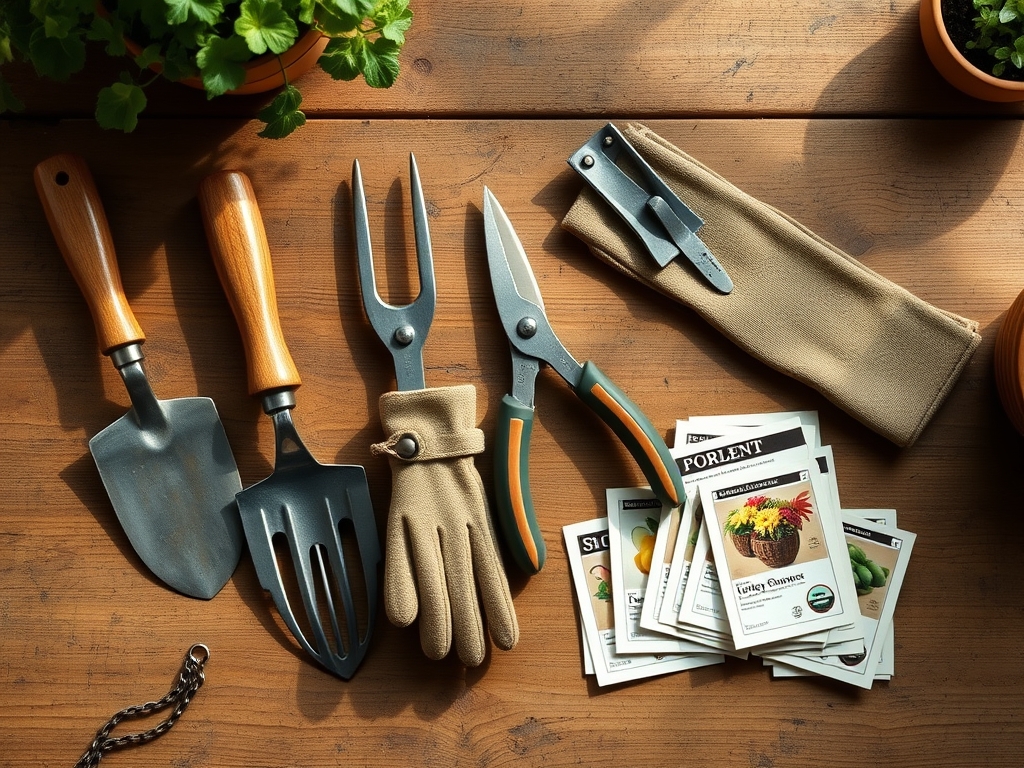
While the repair list focuses on hardware, the materials you interact with dictate the rate of tool wear. For a garden thriving in **friable loam**, which consists of roughly **40 percent sand, 40 percent silt, and 20 percent clay**, tool abrasion is moderate. However, if your soil has a high **Cation Exchange Capacity (CEC)** and a **pH between 6.0 and 7.0**, the presence of mineral salts can accelerate the oxidation of carbon steel. To counteract this, your repair kit must include **3-in-1 machine oil**, **300-grit whetstones**, and **boiled linseed oil** for wooden handles.
When preparing the substrate for heavy feeders, maintain an NPK ratio of 10-10-10 for general establishment or 5-10-10 for root crops to avoid nitrogen burn. The physical texture of your soil should allow for easy penetration; if the soil is compacted, your tools will require more frequent sharpening and structural checks. Use a soil moisture meter to ensure you are working the earth at a moisture level that prevents clumping, which puts undue lateral stress on shovel shafts.
Timing:
Timing your equipment maintenance is as critical as observing frost dates. In Hardiness Zones 5 through 7, the primary repair window occurs during the dormant season, typically between the first hard freeze and the spring thaw. This prevents the "Biological Clock" of the garden from being interrupted by mechanical failure during the transition from vegetative growth to the reproductive stage.
For plants entering the bolting phase in early summer, tools must be at peak performance to manage rapid biomass accumulation. Perform a mid-season audit when the photoperiod reaches its maximum in June. This ensures that your harvesting equipment is sanitized and sharpened before the plant begins its energy shift toward fruit and seed production. Failure to maintain tools during this window can result in jagged cuts that lead to necrosis during the high humidity of late summer.
Phases:

Sowing
Before the first seed hits the furrow, use your repair list to inspect seeders and hand trowels. Check for calibration accuracy in mechanical spreaders to ensure an even distribution of nutrients. A miscalibrated spreader can lead to localized nutrient toxicity, where high concentrations of phosphorus inhibit the uptake of micronutrients like iron and zinc.
Pro-Tip: Proper tool calibration supports phototropism by ensuring plants are spaced correctly. If tools fail and seeds are sown too densely, seedlings will compete for light, causing elongated, weak stems due to excessive auxin accumulation on the shaded side of the plant.
Transplanting
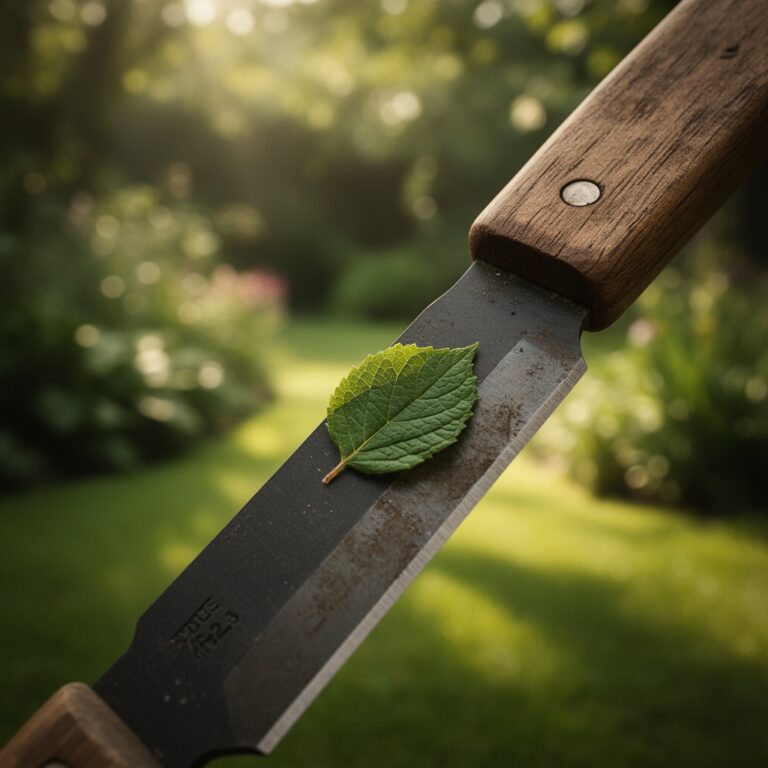
Transplanting requires a sharp hori-hori knife to slice through circling roots and encourage lateral growth. Your repair list should prioritize the removal of rust from these blades. Rust particles can alter the local soil chemistry and introduce heavy metal contaminants into the sensitive root zone of a young transplant.
Pro-Tip: Using a clean, sharp blade facilitates mycorrhizal symbiosis. A clean cut allows the plant to heal quickly and establish a beneficial relationship with soil fungi, which increases the surface area for water absorption by up to 100 times.
Establishing
As the garden enters the establishment phase, focus on irrigation equipment. Inspect hoses for leaks and ensure emitters are not clogged with mineral deposits. Constant, predictable moisture levels are required to maintain turgor pressure and prevent the plant from entering a state of permanent wilting.
Pro-Tip: Maintaining consistent moisture levels prevents auxin suppression. When a plant is stressed by erratic watering from failing equipment, it produces abscisic acid, which halts growth and can lead to premature fruit drop.
The Clinic:
Physiological disorders often stem from poor tool performance. Observe the following symptoms and apply the necessary mechanical and horticultural fixes.
- Symptom: Jagged stem tears and localized rot.
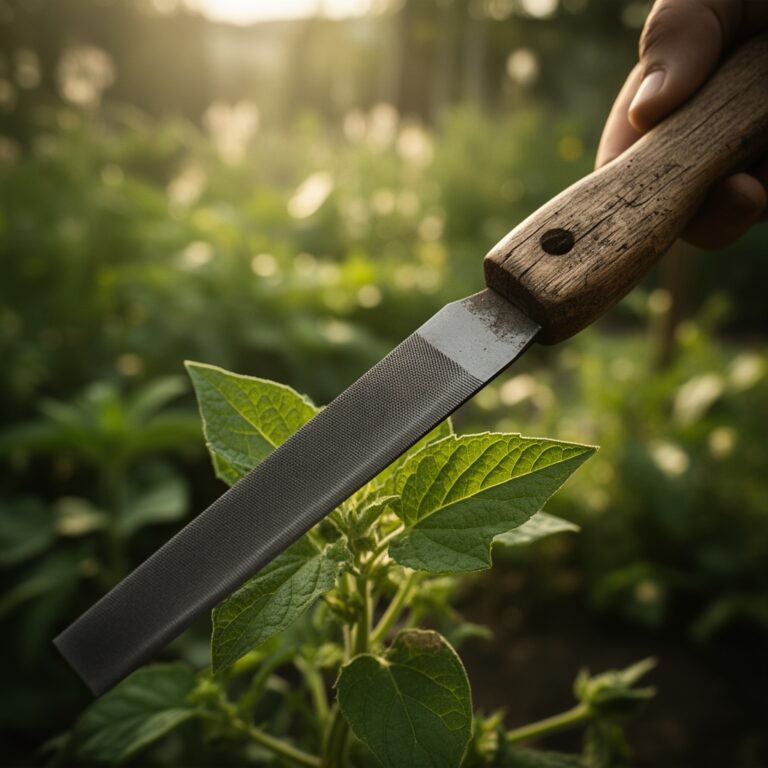
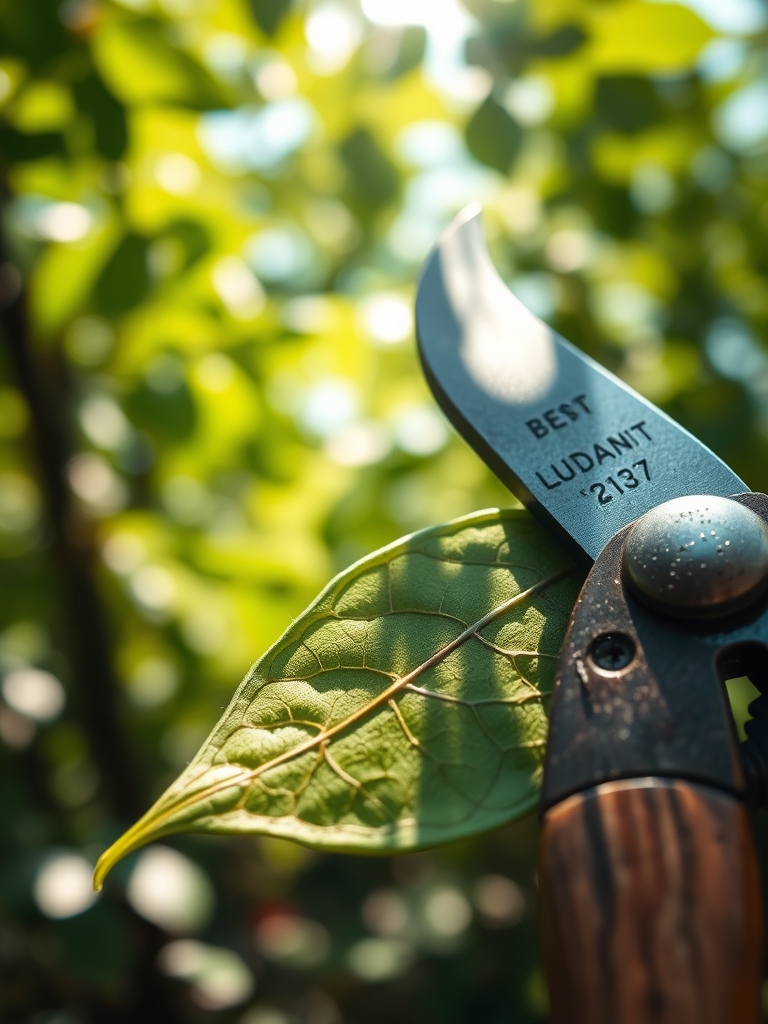
- Solution: Sharpen bypass pruners using a diamond file until the blade can cleanly slice a sheet of paper. Sanitize with 70 percent isopropyl alcohol to prevent the spread of tobacco mosaic virus.
- Symptom: Interveinal chlorosis in new growth (Iron Deficiency).
- Fix-It: Check soil pH with a digital meter. If pH is above 7.5, iron becomes insoluble. Use your repair list to ensure your pH probe is calibrated with a pH 4.0 and 7.0 buffer solution.
- Symptom: Blossom end rot in tomatoes (Calcium Deficiency).
- Fix-It: This is often a water transport issue. Repair leaking irrigation lines to ensure a steady supply of water, which is the primary carrier for calcium ions.
- Symptom: Nitrogen chlorosis (yellowing of older leaves).
- Fix-It: Apply a high nitrogen fertilizer with an NPK of 21-0-0 (Ammonium Sulfate) if soil pH is high; use a soil moisture meter to ensure the fertilizer is watered into the root zone immediately.
Maintenance:
Precision maintenance extends beyond the tool shed and into the field. Deliver 1.5 inches of water per week at the drip line for established shrubs and perennials. Use a soil moisture meter at a depth of 6 inches to verify that the water is penetrating the subsoil rather than just wetting the surface.
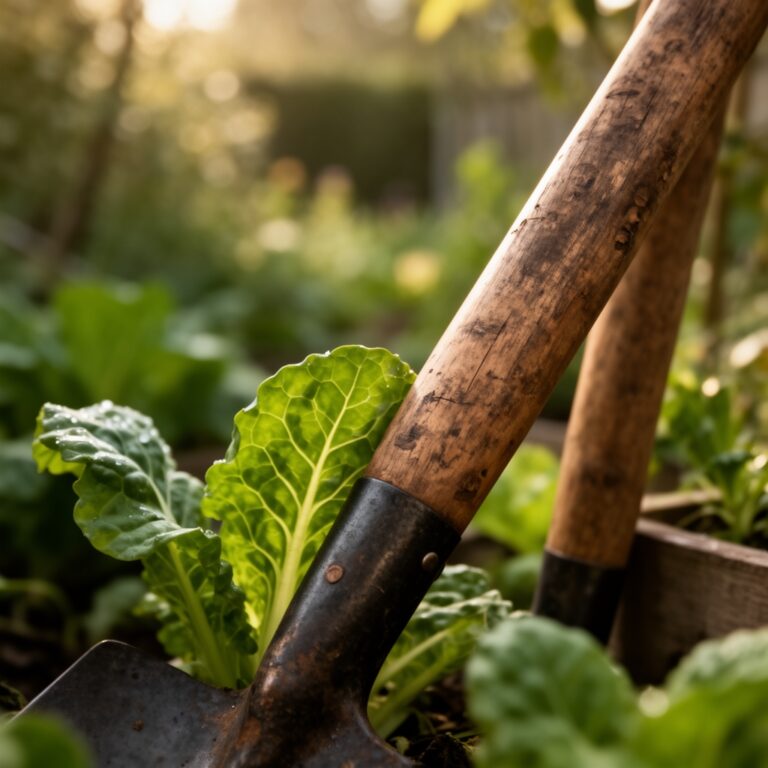
For wooden handles, sand away splinters and apply a fresh coat of linseed oil every six months. This prevents the wood from becoming brittle and snapping under the weight of heavy clay soil. For metal components, use a wire brush to remove all soil after every use; soil holds moisture against the metal, leading to rapid oxidation. Store tools in a bucket of dry sand mixed with a small amount of vegetable oil to create a protective barrier against humidity.
The Yield:
Harvesting is the final test of your equipment. For leafy greens, harvest in the early morning when turgor pressure is at its highest. Use a sharpened harvesting knife to make a single, clean cut. This minimizes the surface area exposed to the air, reducing the rate of transpiration and keeping the produce crisp.
For fruiting crops like peppers or tomatoes, use bypass pruners to cut the pedicel rather than pulling the fruit. Pulling can cause micro-tears in the main stem, which serve as entry points for pathogens. Post-harvest, submerge greens in 40 degree Fahrenheit water to remove field heat and slow the process of senescence, ensuring day-one freshness for longer durations.
FAQ:
How often should I sharpen my garden tools?
Sharpen high-use tools like pruners and hoes every 10 to 15 hours of active use. If you encounter rocky soil or hardwoods, increase frequency. A sharp edge reduces the physical force required and protects plant vascular systems.
What is the best way to prevent tool rust?
Remove all organic matter and soil after use. Coat metal surfaces with a thin layer of mineral oil or silicone spray. Store tools in a low-humidity environment, ideally off the ground, to prevent moisture accumulation and oxidation.
Why is tool sanitation important for plant health?
Dirty tools act as vectors for bacteria, fungi, and viruses. Pathogens like Fusarium can survive on metal surfaces for weeks. Sanitizing with 70 percent alcohol between plants prevents the cross-contamination of your entire crop.
How do I know if my irrigation system needs repair?
Monitor for localized dry spots or pooling water. Use a soil moisture meter at various points in the garden. If readings vary by more than 20 percent, check for clogged emitters or line punctures that disrupt pressure.