8 Best Pickaxes for Breaking Up Hardpan Soil
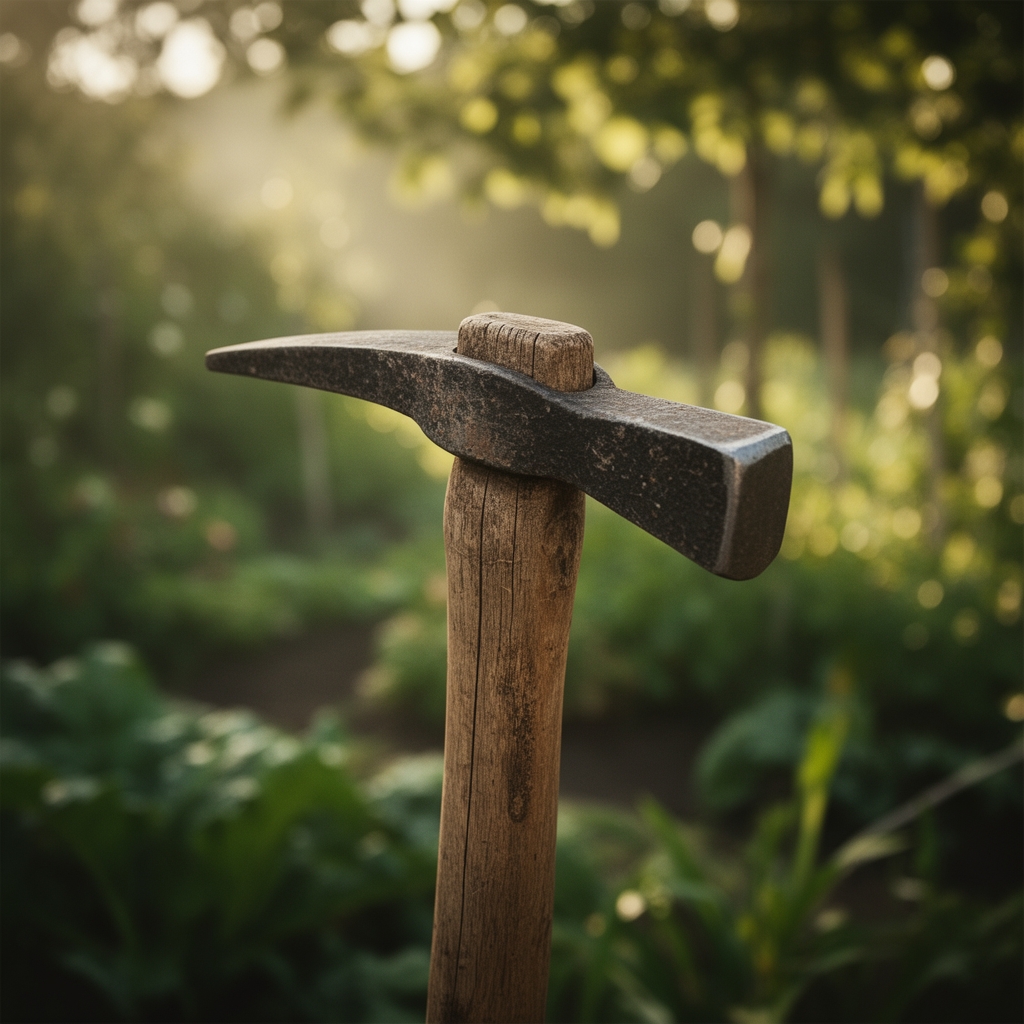
The iron tang of a freshly sharpened blade biting into compacted earth carries a particular satisfaction. When a spade bounces off hardpan like rubber meeting concrete, cultivators know the battle ahead demands purpose-built tools. The best pickaxes for breaking up hardpan soil combine head geometry, steel composition, and handle ergonomics to fracture dense subsurface layers that block root penetration and disrupt water infiltration. These implements transform impermeable zones into friable growing media.
Hardpan forms when clay particles, iron oxides, and organic colloids cement together under pressure, creating barriers at depths between 8 and 24 inches. Roots encounter these layers and deflect horizontally, restricting access to deeper moisture reserves and nutrients. Cation exchange capacity plummets in hardpan zones. Anaerobic conditions develop above the layer after irrigation or rainfall. The best pickaxes for breaking up hardpan soil address these limitations through mechanical disruption, opening channels for gas exchange and mycorrhizal colonization.
Materials
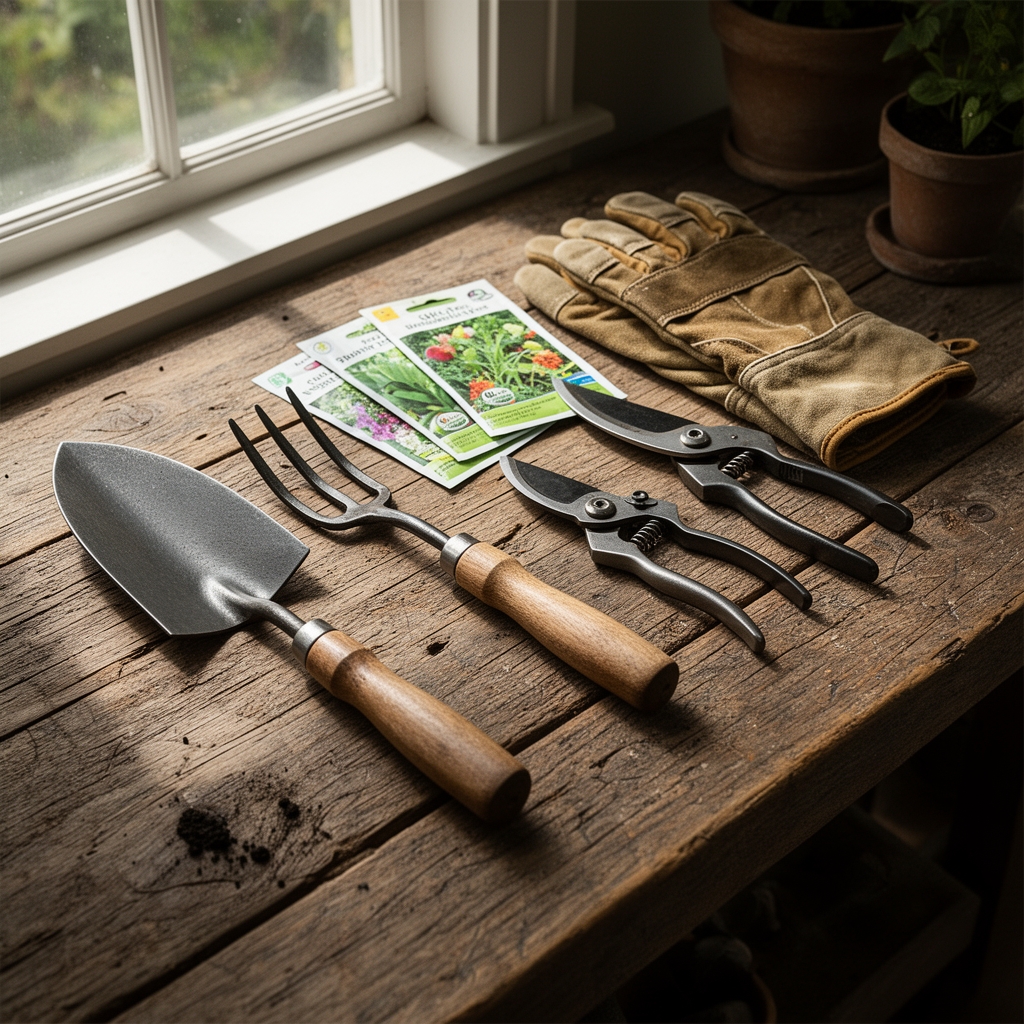
Select pickaxes manufactured from high-carbon steel (0.7 to 0.9 percent carbon content) with Rockwell hardness ratings between 48 and 52 HRC. Softer steel deforms on impact. Harder alloys fracture under lateral stress.
The Truper Pick Mattock features a 5-pound forged head with a 3-inch pick blade on one side and a 4.5-inch adze blade opposite. The 36-inch hickory handle absorbs shock while maintaining sufficient leverage for vertical strikes. This tool excels in caliche-heavy soils common to USDA Zones 8 through 10.
Council Tool Pulaski Axe combines a 3.5-pound axe blade with an adze grub hoe. The 36-inch curved handle allows for overhead swings that generate 140 foot-pounds of impact force. Ideal for breaking root-matted hardpan in reclaimed forestland or abandoned orchard sites.
Seymour Structron Pick 7.5-pound head delivers maximum momentum transfer. The 16-inch pick blade penetrates 6 to 8 inches per strike in moderate hardpan. Fiberglass handle reduces fatigue during extended sessions. Recommended for expansive clay soils (smectite-dominant) with plasticity indices above 30.
Fiskars IsoCore Pick features vibration dampening technology that reduces arm strain by 40 percent compared to traditional handles. The 36-inch length provides optimal swing arc geometry. Best suited for gardeners working 200 square feet or more of hardpan remediation.
After mechanical disruption, incorporate gypsum (calcium sulfate dihydrate) at 40 pounds per 100 square feet to improve aggregate stability. Follow with compost (C:N ratio of 25:1) at 3 cubic yards per 100 square feet. This combination enhances flocculation of clay particles and introduces organic acids that further break down cemented structures. Apply a balanced organic amendment rated 4-4-4 (nitrogen-phosphorus-potassium) at 2 pounds per 100 square feet to support microbial populations that maintain newly opened pore spaces.
Timing
Hardpan remediation work aligns with soil moisture content. Schedule pickaxe operations when volumetric water content reaches 18 to 22 percent. Soils drier than 15 percent resist fracturing and require exponentially greater energy input. Saturated conditions above 28 percent cause smearing rather than shattering.
In Zones 6 and 7, target mid-September through October when summer heat stress has passed but soil retains workable moisture. Spring windows open 4 to 6 weeks before last frost when thaw penetration reaches 18 inches. Zones 8 through 10 permit work from November through February during the cool season when evapotranspiration rates drop below 0.15 inches per day.
Phases
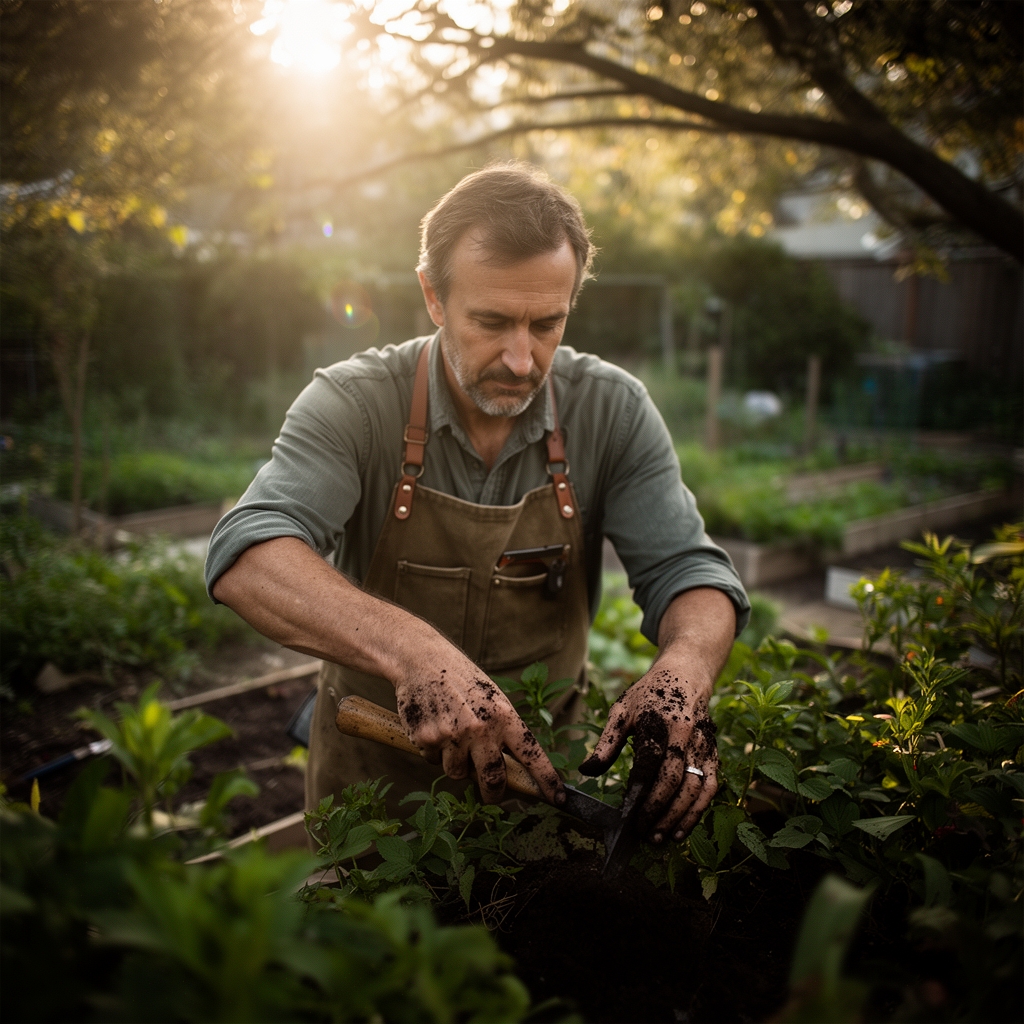
Breaking: Strike at 45-degree angles to maximize shear forces along particle boundaries. Space impact points 6 inches apart in a grid pattern. Work depth should extend 4 inches below the hardpan layer to ensure complete disruption. Remove debris larger than 3 inches diameter.
Pro-Tip: Coat pickaxe heads with boiled linseed oil after each session to prevent rust formation and maintain edge geometry.
Amending: Backfill fractured zones with amendment blend within 48 hours of mechanical disruption. This prevents re-cementation. Mix materials to 16 inches depth using a spading fork. Incorporate biochar at 10 pounds per 100 square feet to boost long-term cation exchange capacity from baseline 8 meq/100g to 15 meq/100g.
Pro-Tip: Inoculate amendment layer with endomycorrhizal fungi (Glomus intraradices) at 0.5 ounces per 10 square feet to accelerate root colonization of remediated zones.
Establishing: Plant cover crops within 7 days. Daikon radish (Raphanus sativus var. longipinnatus) produces taproots that extend 24 to 36 inches, creating permanent macropores. Seed at 10 pounds per acre. Alternatively, use annual rye (Secale cereale) at 90 pounds per acre for fibrous root mass that stabilizes new aggregate structure.
Pro-Tip: Monitor auxin distribution in establishing plants. Excess lateral root growth indicates incomplete hardpan removal.
Troubleshooting
Symptom: Pickaxe bounces without penetration despite proper technique.
Solution: Hydrate soil to 20 percent volumetric water content. Apply 0.5 inches of irrigation 24 hours before work. Test penetration resistance with a soil penetrometer (target: below 300 psi).
Symptom: Rapid re-compaction within one growing season.
Solution: Insufficient organic matter integration. Reapply compost at 2 cubic yards per 100 square feet. Add polysaccharide-producing bacteria (Bacillus subtilis) to promote aggregate stability.
Symptom: Handle breakage at head junction.
Solution: Swing plane exceeds 70 degrees from horizontal. Reduce angle to 45 degrees. Replace damaged handles with straight-grain hickory rated for 800-pound tensile strength.
Symptom: Poor drainage persists after treatment.
Solution: Perched water table above clay lens. Install subsurface drainage tiles at 18-inch depth, spaced 15 feet apart, sloped 0.5 percent toward outlet.
Maintenance
Sharpen pickaxe blades every 8 hours of use with a 10-inch mill bastard file. Maintain 30-degree edge bevel. Remove 0.01 inches of material per sharpening session. Replace heads when pick blade shortens below 10 inches or when adze blade thins to less than 0.25 inches at the cutting edge.
Clean tools after each session using stiff wire brush. Remove soil particles that accelerate corrosion. Store in climate-controlled environment with relative humidity below 55 percent. Apply thin coating of mineral oil to metal surfaces monthly during storage periods exceeding 30 days.
Inspect handles for compression fractures every 40 hours of use. Check for grain separation at stress points 4 inches above and below the head junction. Sand rough spots with 120-grit aluminum oxide paper. Apply raw linseed oil to exposed wood fibers. Cure for 72 hours before next use.
FAQ
What depth of hardpan requires pickaxe intervention?
Layers at 6 to 30 inches depth benefit most from pickaxe treatment. Shallower compaction responds to broadfork tillage. Deeper cemented zones require subsoiling equipment.
Can pickaxes damage irrigation lines?
Mark all buried infrastructure with flags before starting work. Maintain 24-inch clearance from known lines. Use probe rod to verify depth before striking.
How much area can one person treat per day?
Experienced operators remediate 150 to 200 square feet per 8-hour session in moderate hardpan. Dense caliche reduces output to 80 square feet per day.
Do pickaxes harm soil structure?
Targeted disruption of cemented hardpan improves structure. Avoid working in non-compacted topsoil horizons. Restrict mechanical action to diagnosed problem layers.
What follow-up maintenance prevents hardpan reformation?
Maintain 4 percent soil organic matter through annual compost applications. Avoid heavy equipment traffic on wet soils. Rotate deep-rooted crops every 3 years to sustain biopore networks.