7 Steps to Build an Artistic Mosaic Garden Patio
The smell of damp earth after a saturation event signals a shift in soil porosity and microbial activity. When the turgor pressure of a plant is optimal, the cell walls remain rigid; this structural integrity is the foundation of any successful landscape project. Constructing a functional outdoor space requires more than aesthetic intent. It demands an understanding of soil compaction and drainage. These steps for building a garden patio integrate structural engineering with horticultural precision to ensure the surrounding rhizosphere remains oxygenated. Success depends on the calculation of slope and the selection of materials that facilitate water infiltration rather than runoff.
Materials:
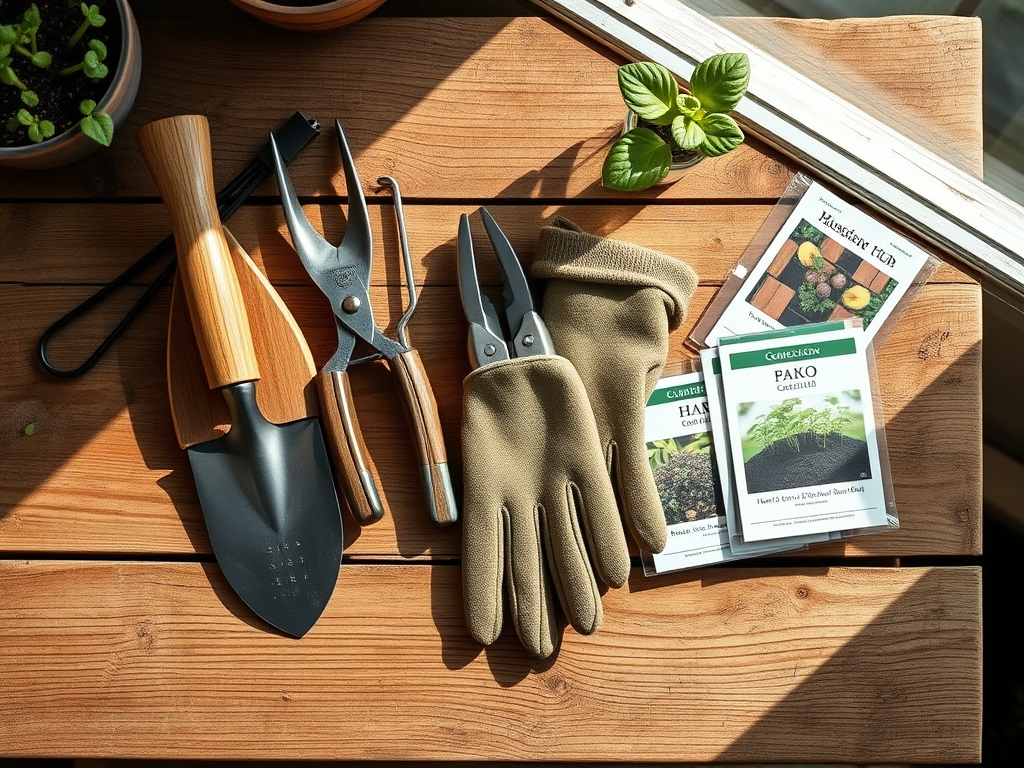
The substrate for a mosaic patio must be stable and chemically inert to prevent leaching into the adjacent planting beds. For the surrounding flora, aim for a **friable loam** with a **Cation Exchange Capacity (CEC) between 15 and 25 meq/100g**. The ideal soil pH for most patio-adjacent perennials is **6.2 to 6.8**.
Prepare the planting pockets with a specific nutrient profile to offset the stress of construction. Use a slow-release fertilizer with an NPK ratio of 5-10-5 to prioritize root development over rapid foliar expansion. The physical texture of the base material should consist of crushed 3/4-inch minus limestone for the sub-base; this provides the necessary friction for structural load-bearing while maintaining a porosity of 15 percent for drainage. Avoid heavy clays that exhibit high plasticity; these will heave during freeze-thaw cycles and displace your mosaic work.
Timing:
Timing is dictated by the thermal properties of the soil. In Hardiness Zones 5 through 7, construction should begin after the last spring frost when soil temperatures consistently reach 55 degrees Fahrenheit. This temperature threshold is critical for the "Biological Clock" of the surrounding vegetation. As plants transition from the vegetative stage to the reproductive stage, their energy is diverted to flowering and seed production.
Perform heavy excavation during the dormant season or early spring to minimize damage to the fine root hairs of nearby trees. These roots are most active when the photoperiod increases to 12 hours. If you disrupt the soil during peak transpiration periods in mid-summer, you risk causing permanent wilting point stress in established specimens.
Phases:

Sowing the Perimeter
Before laying the first stone, establish a vegetative buffer. Use low-growing groundcovers like Thymus serpyllum. Broadcast seeds at a rate of 2 pounds per 1,000 square feet. Maintain consistent moisture until germination occurs, typically within 14 to 21 days.
Pro-Tip: Ensure seed-to-soil contact to trigger hydrotropism. This biological response directs root growth toward moisture gradients, ensuring the seedlings anchor firmly before the patio stones are set.
Transplanting and Placement
When integrating plants between mosaic stones, select species with high drought tolerance. Dig holes twice the width of the root ball. Ensure the crown is level with the soil surface to prevent stem rot or hypoxia.
Pro-Tip: Apply a mycorrhizal inoculant to the root zone. This mycorrhizal symbiosis expands the surface area of the root system; the fungi trade phosphorus for plant sugars, significantly increasing the plant's resilience to the heat radiated by the patio stones.
Establishing the Mosaic
Lay your stones on a 2-inch bed of coarse sand. This layer allows for micro-adjustments. As you fill the gaps with fine grit or soil, pack it firmly to eliminate air pockets that can cause root desiccation.
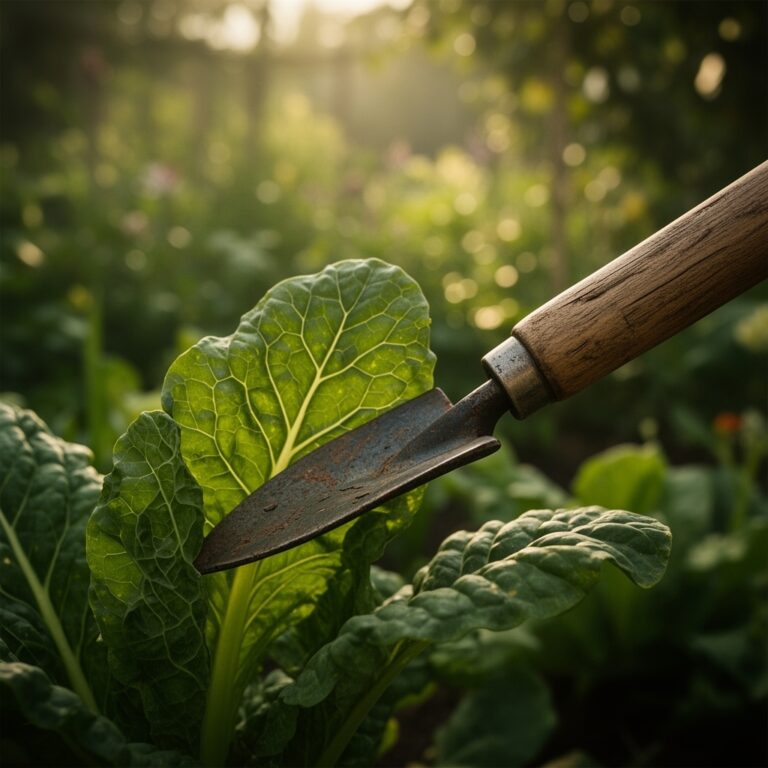
Pro-Tip: Use a hori-hori knife to tuck roots under the edges of stones. This encourages auxin suppression in the upward-reaching stems and promotes lateral spreading; this creates a dense, carpet-like growth habit that outcompetes opportunistic weeds.
The Clinic:
Physiological disorders often manifest when the soil chemistry is altered by construction debris or poor drainage.
- Symptom: Interveinal Chlorosis. The leaves turn yellow while the veins remain green. This indicates a Manganese or Iron deficiency, often caused by a pH spike above 7.5.
- Solution: Apply chelated iron or elemental sulfur to lower the pH to the 6.5 range.
- Symptom: Leaf Scorch. Marginal browning of the foliage. This is a sign of high salt accumulation or excessive transpiration.
- Solution: Flush the soil with 3 inches of water to leach accumulated salts from the root zone.
- Symptom: Stunted Growth with Purple Foliage. This indicates Phosphorus deficiency.
- Fix-It: Incorporate bone meal or a high-phosphate fertilizer (NPK 0-20-0) into the top 4 inches of the soil profile.
Maintenance:
A garden patio is a living system. Precision irrigation is mandatory. Deliver 1.5 inches of water per week at the drip line of surrounding plants. Use a soil moisture meter twice weekly to verify that the moisture has penetrated 6 inches deep.
Pruning should be performed with bypass pruners to ensure clean vascular cuts that heal quickly. For groundcovers growing between stones, use a hori-hori knife to prune the runners every 30 days during the growing season. This prevents the vegetation from obscuring the mosaic pattern and maintains the structural integrity of the stone joints. Monitor for senescence (the natural aging and death of plant tissues) and remove necrotic material immediately to prevent fungal pathogens from colonizing the debris.
The Yield:
If your mosaic garden includes edible herbs like prostrate rosemary or creeping thyme, harvest timing is essential for essential oil concentration. Harvest in the early morning after the dew has evaporated but before the sun reaches its zenith. This is when turgor pressure is highest and volatile oils are most concentrated.
Use sharp snips to take no more than one-third of the plant's biomass at a time. To maintain "day-one" freshness, place the cuttings immediately into a cool, shaded container. For floral yields, cut stems at a 45-degree angle to maximize the surface area of the xylem for water uptake.
FAQ:
How deep should the patio base be?
Excavate to a depth of 6 to 8 inches. This allows for 4 inches of compacted gravel, 2 inches of sand, and the thickness of your stone. Proper depth prevents frost heaving and ensures long-term structural stability.
What is the best soil for between stones?
Use a mix of 50 percent sharp sand and 50 percent screened compost. This provides the drainage necessary to prevent root rot while offering enough organic matter to support the Cation Exchange Capacity required for plant nutrition.
How do I prevent weeds in the mosaic?
Maintain a high planting density to ensure canopy closure. When the desired plants cover the soil completely, they block sunlight from reaching weed seeds; this prevents the germination of shade-intolerant species through natural light competition.
Can I build a patio over tree roots?
Avoid excavating within the Critical Root Zone (CRZ), which is typically 1 foot of radius for every inch of trunk diameter. Smothering roots with non-porous materials leads to root asphyxiation and eventual canopy dieback.